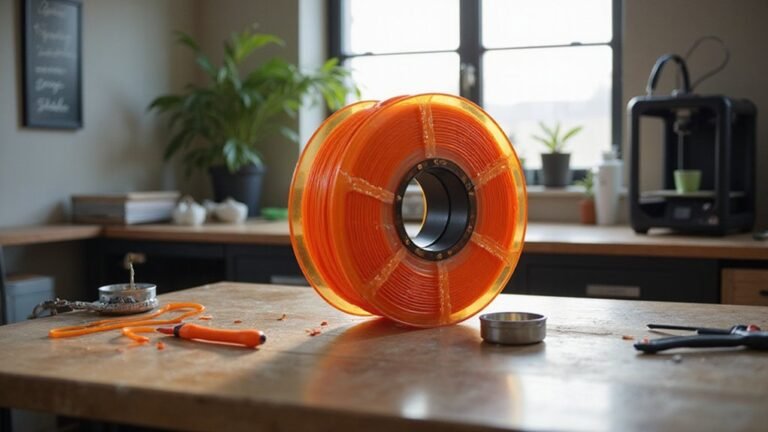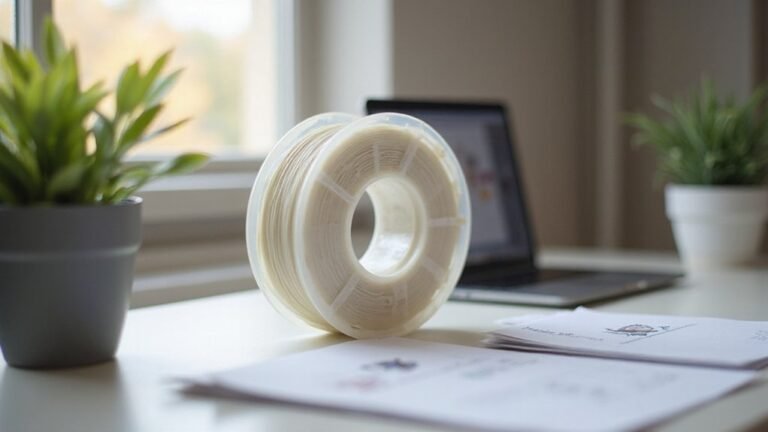
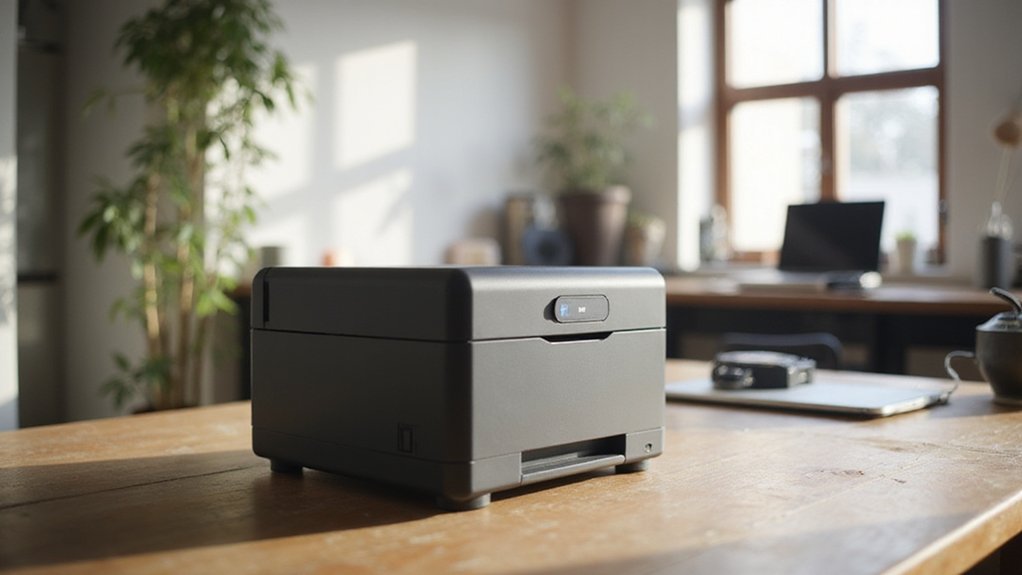
If you’ve ever wondered how small, detailed plastic objects get made at home or in a workshop, an FDM 3D printer might be what you need. It builds items layer by layer by melting filament like PLA or ABS, creating everything from prototypes to hobby projects.
By the end of this, you’ll understand how FDM printing works, its benefits, and what to consider when choosing or optimizing your printer.
Let’s dive into the ins and outs of this versatile technology.
What Is FDM 3D Printing and Why Is It Popular?
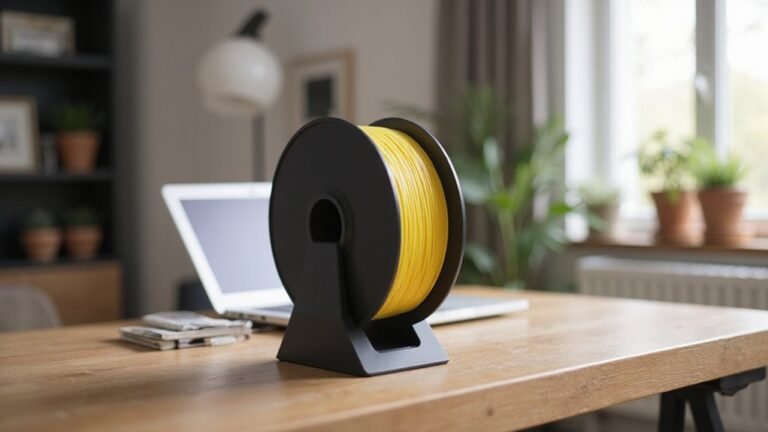
FDM 3D printing is popular primarily because of its affordability, versatility, and ease of use. It works by melting thermoplastic filaments, usually from spools with standard diameters like 1.75mm, and extruding them layer by layer to build objects. The success of a print depends heavily on proper filament storage to avoid moisture absorption, which can cause weak spots or defects in the final piece. Ensuring good print bed adhesion is also crucial, as it keeps the first layers firmly attached and prevents warping or print failure. This process supports a wide variety of materials such as ABS, PLA, and PETG, each offering different strengths like high mechanical durability or temperature resistance. Because it’s accessible and relatively simple, FDM 3D printing is ideal for creating prototypes, hobby projects, or small-scale manufacturing runs, helping maintain its status as a top choice worldwide. Its widespread availability also means there is a large community of enthusiasts and resources to help new users troubleshoot and improve their prints, often utilizing tutorials and forums to expand their skills.
How Does FDM 3D Printing Work?
FDM 3D printing produces objects through a series of precise, sequential steps. First, you design a model in CAD software, creating a digital 3D representation. This model is then converted into G-code using a slicer tool, which determines the print’s layer height, toolpaths, and other parameters. The G-code guides the printer’s movements during printing.
Next, filament—typically thermoplastic—feeds from a spool into the extruder. Inside the extruder, rollers push the filament toward the hot end, where it melts into a viscous state. The print head moves across the axes according to the G-code, extruding this melted filament in thin strands along the planned paths. Each layer is deposited on top of the previous one, building up the object layer by layer.
During cooling, the layers bond through solidification, which impacts the strength and interlayer adhesion of the final part. You can incorporate fiber reinforcement into the filament to enhance durability. The print speed, or how quickly the extruder moves during each layer, influences the overall print time and quality. Faster speeds can reduce quality or cause defects, while slower speeds often improve detail and surface finish.
What Materials Are Used in FDM Printing?
FDM 3D printing primarily uses thermoplastic filaments because they melt when heated and solidify when cooled, which makes them ideal for layer-by-layer construction. This material compatibility allows you to choose from a wide variety of filaments to suit your project needs. Common base materials include PLA, ABS, and PETG, which are suitable for most standard applications.
PLA is popular due to its ease of use and eco-friendliness. ABS offers durability and impact resistance, making it suitable for parts that need to withstand stress. PETG provides a balance of strength and flexibility, combining the benefits of both PLA and ABS. For more demanding or specific performance requirements, you can opt for engineering thermoplastics like nylon, polycarbonate, or PEEK, which are more resistant to heat and mechanical stress.
Flexible filaments such as TPU expand your options by enabling the printing of parts that need elasticity. Specialty materials like PVA can serve as support structures because they dissolve in water, while metal-particle composites give parts a metallic appearance and increased strength. This broad filament variety supports everything from simple prototypes to complex, functional components. Additionally, understanding the material properties can help you select the right filament for your specific application and conditions.
How to Improve Surface Finish and Mechanical Strength in FDM
To improve surface finish and mechanical strength in FDM printing, focus on adjusting layer height and print speed. Use a layer height of around 0.1 mm to create a smoother surface by reducing visible stair-stepping. Slowing down the print speed minimizes vibrations, resulting in better surface quality and stronger layer adhesion, which enhances mechanical strength. Maintaining the nozzle temperature within the filament’s ideal range, typically around 210°C for common materials, helps prevent blobs and ensures layers bond well without causing defects. Proper part cooling solidifies each layer quickly, reducing sagging and imperfections that compromise finish and strength. Additionally, controlling raster angle, build orientation, and air gap can optimize surface smoothness while preserving the structural integrity of your prints. For even better results, consider enhancing your print settings with advanced calibration techniques to further improve surface quality and durability. Understanding the importance of layer adhesion can also significantly influence your print’s strength and finish quality.
Troubleshooting Common FDM 3D Printing Problems
Many common print issues originate from problems with adhesion, extrusion, or mechanics that affect overall quality. For adhesion problems, make sure the bed is level, clean, and heated to the correct temperature. Using adhesives like a glue stick or painter’s tape can help improve bed adhesion if needed. Proper filament storage is crucial because moisture absorption causes bubbling or inconsistent flow, leading to print failures.
For extrusion issues, check that the nozzle is clean and free of clogs. Confirm that the filament diameter matches the printer’s settings, and verify the temperature is set correctly—adjusting in 10°C increments often remedies under- or over-extrusion. Mechanical issues such as layer shifting typically result from loose belts, worn parts, or insufficient lubrication. Tightening belts or replacing worn components can resolve these problems.
Color matching can be disrupted by filament inconsistencies or improper storage, so always store filament in a dry environment and verify the filament quality before starting a print. Regularly inspecting and maintaining your printer helps prevent many of these common issues and ensures smoother operation.
Advantages and Limitations of FDM 3D Printing
FDM 3D printing is popular largely because of its cost-effectiveness and versatility. It offers low equipment and material costs, especially when compared to SLA and SLS technologies, making it suitable for low-volume prototypes and short production runs. The variety of thermoplastics available allows you to select materials based on your application’s needs, whether it’s for added strength, flexibility, or specific performance properties. FDM printers are generally simple to operate, requiring minimal setup, which minimizes downtime and speeds up production. Additionally, they produce less post-processing work compared to other methods, making them a practical option for many users. Their scalability from desktop models to industrial systems also adds to their appeal.
However, FDM has some limitations. Its resolution is lower, often resulting in a rougher surface finish that may require additional finishing steps. The detailed precision and smoothness of the final product generally fall short of other technologies like SLA. Material performance restrictions can also be an issue; certain thermoplastics may not withstand high temperatures or demanding mechanical conditions, which limits their use in some applications. These factors should be considered when choosing FDM for projects that demand high detail or specific material properties. Additionally, the humidity levels can significantly impact the quality of printed parts by affecting filament performance and permanence, making proper storage essential for optimal results. Being aware of storage conditions can help ensure consistent print quality across different environments.
How to Choose the Right FDM 3D Printer for Your Needs
Your choice of FDM 3D printer should be guided primarily by your build volume and part size requirements. Entry-level models typically offer around 220 by 220 by 250 millimeters, suitable for small to medium projects. Larger, industrial-grade printers can exceed 500 millimeters in all axes, making them ideal for bigger parts or batch production. Consider your typical print size to select a machine that can handle it comfortably without compromising resolution or speed.
Next, evaluate your needed print quality, focusing on layer height and nozzle size. Finer details require smaller nozzles, often around 0.2 millimeters, which produce smoother surfaces but slow down print times. Coarser nozzles, like 0.4 millimeters, offer faster prints but less detail. Compatibility with filament types varies; some materials like ABS or high-temperature filaments require enclosed chambers, upgraded hardware, or specific temperature controls. These features impact filament storage and the overall workspace environment. Understanding filament compatibility is essential when selecting a printer suited to your material needs. Additionally, consider how the temperature control capabilities align with the requirements of your preferred filaments to ensure successful printing.
Color and material variety are also crucial. If you need multi-color or multi-material prints, choose a printer capable of supporting multiple extruders or filament feeds. Ease of use features such as automatic bed leveling can significantly reduce setup time and improve print success rates. It is also important to consider the print resolution achievable with a specific machine, as this affects the quality of the finished product. Always check the manufacturer’s support quality, community resources, and expansion options like additional filament storage to ensure your printer can grow with your projects.
Applications of FDM in Industry and Product Development
FDM 3D printing is widely used in industry because it enables rapid prototyping, custom part production, and innovative design validation. In aerospace and defense, it creates lightweight structural components that can reduce aircraft weight by up to 20 percent. This results in improved fuel efficiency and lower emissions. FDM also accelerates jet engine nozzle development from several months to just a few weeks, thanks to its high thermal tolerance.
In the automotive sector, FDM is employed for validating airflow in vehicle prototypes and producing bespoke tooling that enhances manufacturing efficiency. Healthcare applications include creating patient-specific surgical guides and custom implants, leading to better surgical outcomes and personalized treatments.
In the consumer goods market, FDM helps developers verify designs early in the process and supports small-batch production runs, which reduces costs and allows for quicker market entry. The use of sustainable filament options further decreases environmental impact.
Artistic industries leverage FDM for crafting intricate jewelry molds and educational kits, allowing for high-detail and customized pieces. Overall, this technology speeds up development cycles and fosters innovation across multiple sectors, making it an essential tool for modern industry.
Future Trends and Innovations in FDM 3D Printing
The landscape of FDM 3D printing is rapidly evolving, driven by advancements in materials, speed, automation, and multi-material capabilities. You’ll see the rise of advanced filament options like high-performance thermoplastics such as PEEK and PEKK, which guarantee thermal resistance and strength suitable for aerospace and medical uses. Speed and automation are also key trends, with multi-colour and multi-material systems becoming industry standards—enabling more complex, functional parts. These innovations support design optimization, reducing post-processing and expanding applications into end-use manufacturing. Industrial FDM is now focused on precision and scalability, facilitating real production with engineering-grade materials. Future trends point toward integrating AI and sustainable filaments, further pushing FDM’s role as a cornerstone of advanced manufacturing. Additionally, ongoing research in advanced filament options continues to expand the possibilities for specialized and high-performance applications.
Getting Started: Tips for Successful FDM Printing
Leveling the print bed accurately is essential for successful FDM printing. Use a piece of paper or a feeler gauge to set the nozzle height so that there is a slight resistance when sliding the paper under the nozzle at all four corners. This ensures a consistent nozzle-to-bed gap, usually around 0.1 to 0.2 millimeters. An uneven bed causes poor first-layer adhesion, leading to warping or print failure. Check and adjust your bed level regularly—beginning most print sessions—and verify the bed is as flat as possible. Proper bed leveling helps the filament adhere uniformly and provides a stable foundation for your print.