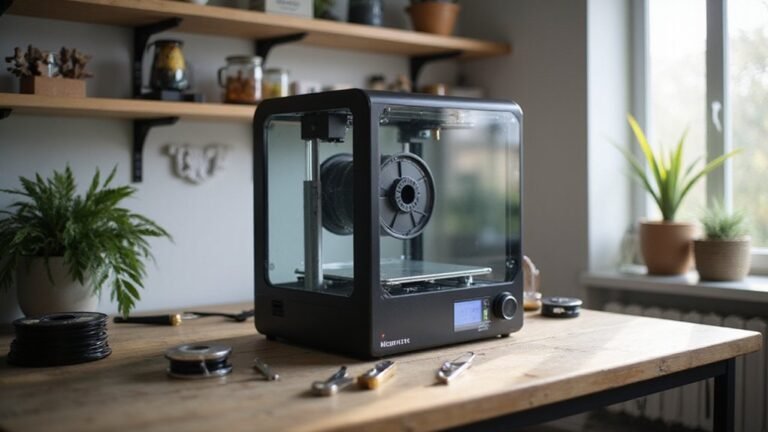
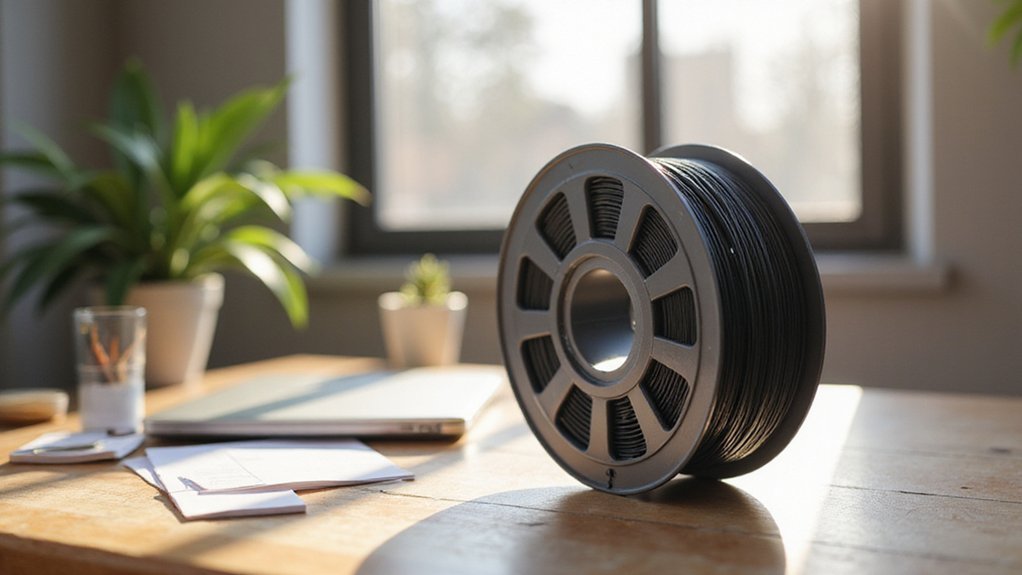
If you’ve noticed your prints coming out with bubbles, rough surfaces, or poor layer adhesion, your filament might have absorbed moisture.
Drying your PLA filament can prevent these issues and improve print quality. Properly drying involves gentle heating and careful storage to keep the filament in the best condition.
Below, you’ll find everything you need to know to keep your filament dry and your prints perfect.
Do You Need to Dry PLA Filament Before Printing?
If your PLA filament has been exposed to moisture, drying it before printing is necessary. Filaments stored in a sealed, dry environment typically do not need drying. However, if your filament has been sitting open on a shelf for weeks or has absorbed humidity, moisture can cause issues like bubbling or poor layer adhesion during printing. To dry PLA, keep the temperature between 40°C and 50°C, as higher temperatures might soften or warp the filament. Using a food dehydrator or a dedicated filament dryer ensures gentle, stable heat that effectively removes moisture. Proper storage in moisture-resistant containers can prevent the need for subsequent drying. Additionally, proper storage techniques, such as airtight containers and desiccants, are key to maintaining filament quality and avoiding moisture absorption. Ensuring proper storage techniques helps maintain the filament’s optimal quality and reduces the need for drying before printing. Ultimately, if you suspect your filament has absorbed moisture, drying it first will improve print quality and reduce problems.
How Can You Tell If Your PLA Filament Is Moisture-Absorbed?
The most obvious indicator that your PLA filament has absorbed moisture is the popping or sizzling sounds during extrusion. These noises occur because water trapped inside the filament vaporizes rapidly when heated, creating steam that escapes through the nozzle. If moisture levels are high, you might see visible steam or vapor emanating from the hot end. Visually, moist filament often appears cloudy or hazy, and its surface may feel rough, bumpy, or sticky to the touch. You may also observe color fading or dullness, especially in parts that should have a vibrant finish. Additionally, a filament that has absorbed moisture tends to become brittle, snapping easily when bent or cut. Surface defects like tiny pinholes or bubbles inside the print are further signs of moisture presence, indicating it may need drying. Recognizing these signs allows you to determine when your filament needs drying before your next print. Proper filament storage can help prevent moisture absorption, maintaining filament quality over time.
What Are the Best Conditions for Drying PLA Filament?
The best conditions for drying PLA filament involve maintaining a temperature between 40 and 50°C (104 to 122°F). This range effectively removes moisture without risking deformation or warping, since PLA’s glass-transition temperature is relatively low. Avoid exceeding 55°C (131°F) to prevent softening or warping. Use reliable equipment such as dedicated filament dryers or food dehydrators that offer stable and controlled low temperatures. Household ovens can also work if fitted with a thermometer to monitor the internal temperature precisely, ensuring it stays within the safe range. Consistent airflow and even heat distribution are crucial; place the filament on a non-conductive surface and avoid direct contact with hot metal. Proper equipment maintenance ensures accurate temperature control, which reduces the risk of softening and guarantees effective moisture removal from the filament. Maintaining proper drying conditions is essential to prevent filament degradation and ensure optimal print quality. Additionally, avoiding excessive exposure to humidity helps preserve the filament’s integrity over time. Regularly checking for moisture content in stored filament can also help maintain its quality. Awareness of humidity levels in storage environments further supports long-term filament performance.
How Long Should You Dry PLA for Optimal Results?
Dry PLA filament for 4 to 6 hours at around 45–50°C to remove moisture effectively. This duration is generally sufficient for most filament types under typical ambient conditions. If the filament has been stored in a humid environment or feels very damp, you may need to extend the drying time to 6–8 hours, or even up to 12 hours for heavily absorbed moisture. The key is to monitor the filament’s moisture level and adjust the drying time accordingly. Overdrying can cause brittleness, while under-drying can lead to print defects like bubbling or poor layer adhesion. Understanding the filament material properties can help determine the most suitable drying process. Proper drying techniques can also prevent issues like print failure and improve overall print quality, especially when considering the compatibility of filament storage practices with the type of material used.
What Tools and Methods Are Best for Drying PLA Filament?
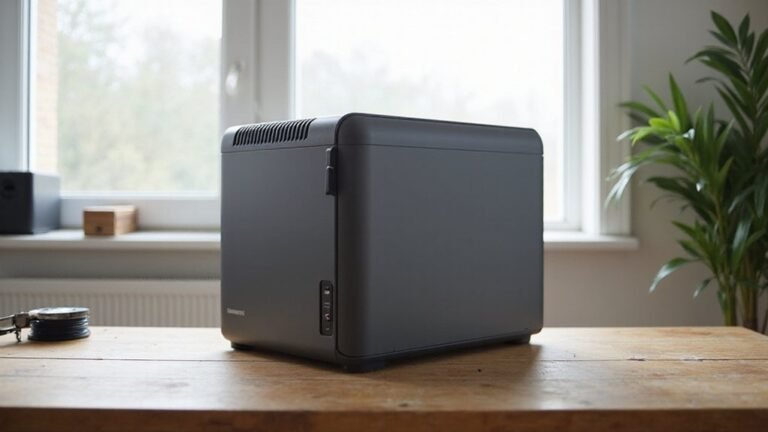
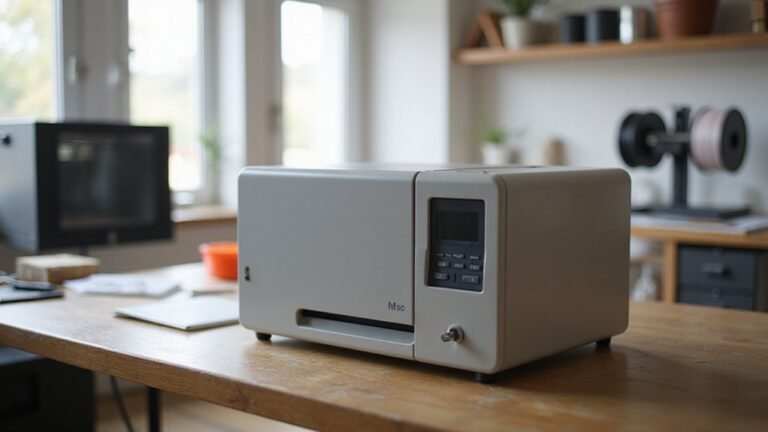
Dedicated filament dryers are the best tools for drying PLA filament because they offer precise temperature control, typically around 45–50°C, and feature a specialized spool chamber. This setup helps to remove moisture effectively and allows you to print directly from the device, reducing the chance of re-absorbing moisture during printing. Food dehydrators are a low-cost alternative that operate at similar temperatures and usually need 4–8 hours for effective drying. Conventional ovens can be used cautiously—keeping the temperature below 55°C to prevent softening—and require careful temperature monitoring. Desiccants like silica gel passively absorb moisture over one to two days but work more slowly. Additionally, observing the filament color can offer visual clues about moisture levels, assisting you in determining when drying is necessary. Implementing moisture control techniques can help maintain filament quality over time and ensure consistent printing results. Regularly monitoring filament moisture levels can further optimize your drying process and improve print quality.
How Can You Store Dried PLA to Keep It Dry?
To keep your dried PLA filament dry, store it in an airtight container that prevents moisture exposure. Use vacuum-seal bags or airtight plastic bins with tight-fitting lids or rubber gaskets. Reuse the original resealable bag if it still seals tightly. Adding desiccants like silica gel packets inside the container helps absorb residual moisture; rechargeable silica gel packs are especially effective for ongoing moisture control. Maintain the storage environment at a low humidity level, ideally under 20–30%, and monitor this with a hygrometer. If humidity rises, consider using a dehumidifier in the room. Store your filament in a cool, dark place at a temperature around 20–25°C, avoiding sunlight and temperature fluctuations. Keep metal filaments and resin separate to prevent cross-contamination. Always reseal containers immediately after use and handle the spools carefully to preserve dryness. Proper storage conditions, such as controlled humidity levels, are crucial for moisture control and maintaining filament quality over time. Additionally, understanding ideal storage environments can significantly extend the lifespan of your filament.
What Are the Risks of Overdrying or Damaging Your PLA?
Overdrying your PLA filament can cause significant damage, primarily through thermal deformation. When PLA is exposed to high temperatures for too long, it softens and loses its shape, which can lead to print failures and warping. Overheating also makes the filament more brittle, increasing the chances of breakage during feeding or extrusion. Damaged filament becomes less consistent, resulting in poor layer adhesion and weaker overall prints. Additionally, overdried PLA loses its flexibility, making it more prone to cracking under stress during printing. To maintain filament quality and prevent these issues, it’s important to store and dry PLA correctly and avoid prolonged exposure to excessive heat. Proper handling ensures your filament retains its strength and flexibility, leading to high-quality, reliable prints. Understanding how different printing technologies impact filament care can also help prolong its lifespan and performance. Using appropriate storage methods can prevent unnecessary overdrying and degradation over time. Being aware of the filament moisture content is essential, as it directly affects print quality and ease of use.
Should You Dry Different Types of Filament Differently?
Different filaments require tailored drying approaches based on their hygroscopic properties. For less moisture-sensitive materials like PLA, drying at around 40–45°C for 4–6 hours is usually sufficient to remove surface moisture and prevent print defects. These filaments are less prone to absorbing moisture from the environment, so mild drying is effective. Not all filaments absorb moisture equally, and some, like PETG, may resist moisture issues despite humidity exposure, emphasizing the importance of understanding each filament’s behavior. In contrast, filaments like nylon and TPU are highly hygroscopic, meaning they readily absorb moisture from humid air. For these materials, drying at higher temperatures—about 70–80°C—for 6–12 hours or longer may be necessary to effectively eliminate absorbed water. Proper drying of these filaments is crucial because moisture can cause issues like bubbling, stringing, and weak layer adhesion during printing. Storing filaments in airtight containers with desiccants helps maintain their dryness over time. Always consider environmental humidity and the filament’s specific chemistry when planning your drying routine, as these factors directly influence print quality and filament longevity.