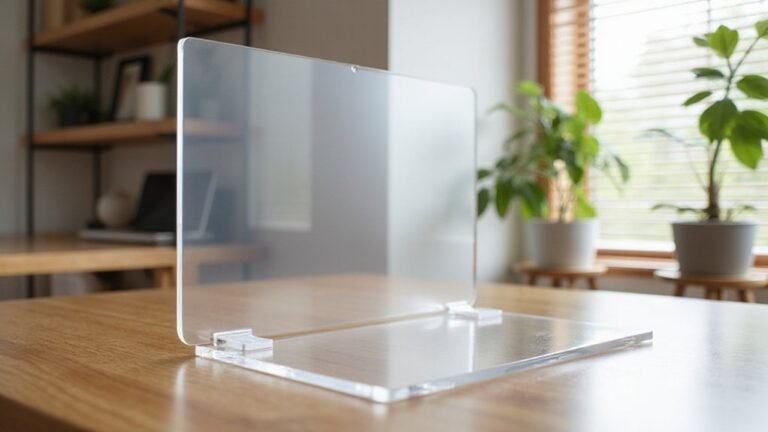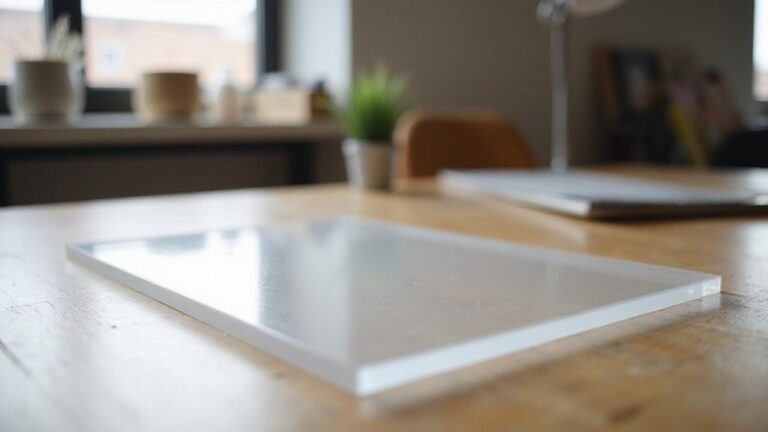
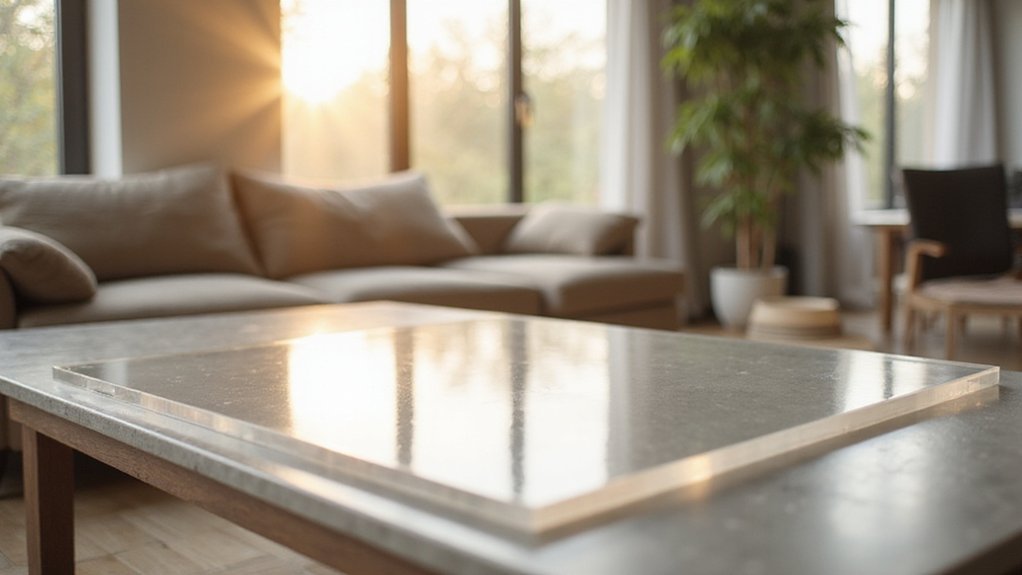
If you’re trying to budget for acrylic sheets, you might wonder how much they cost. Prices can vary widely—small panels can go for just a few dollars, while larger or specialty sheets can exceed a hundred dollars.
The type, thickness, and quality all influence the price.
Keep reading to learn how to find the best deals and save money on your acrylic purchases.
Introduction: What You Need to Know About Acrylic Sheet Pricing
Acrylic sheet pricing varies widely depending on several key factors. The size of the sheet is a significant cost driver; larger sheets, such as 4×8 feet panels, tend to be more expensive overall but may offer better value per square foot. Thickness also influences the price: thicker sheets like 8mm or 12mm cost more due to the increased material used and enhanced durability. The type of acrylic—whether cast or extruded—affects the cost, with cast acrylic generally being more expensive because of its higher quality and clarity. Finishes like frosted, mirrored, or textured surfaces add extra to the base price due to additional processing. Understanding how material type impacts price is essential for making informed decisions. Additionally, manufacturing processes can influence the final cost, with some methods adding to the production expense. Color and specialty effects also impact the cost. Clear, standard acrylic is typically less expensive, while specialty colors or tinted options can raise the price. Environmental considerations, such as eco-friendly recycled acrylic, might come at a slight premium but support sustainability efforts. Moreover, application considerations should be taken into account, as certain projects may require specific types of acrylic that influence the overall cost. Retail prices for acrylic sheets range from just a few dollars for small, thin panels to over a hundred dollars for large, thick, or custom-cut pieces. By understanding these factors, you can better compare options and find an ideal balance between quality and cost for your project.
How Much Do Acrylic Sheets Usually Cost?
Acrylic sheets typically cost between $4 and $9 per square foot for extruded varieties. This price range makes them an affordable option for many projects, especially when large quantities are needed. Clear cast acrylic sheets, which are thicker and of higher quality, can range from $30 to $150 per sheet depending on thickness. Colored acrylic sheets tend to fall between $6 and $50 per square foot, with full sheets reaching up to $250 for premium options. Small panels can start as low as $2.33 for basic clear acrylic, while larger or specialty sheets may cost $20 to over $300. Pricing factors such as manufacturing process and material quality heavily influence these costs. Prices depend heavily on size, thickness, and quality. Recycling acrylic offers an eco-friendly choice that can also cut costs, making high-quality sheets more affordable and helping you reduce environmental impact. Understanding the cost factors that influence acrylic sheet prices can help you make smarter purchasing decisions. Additionally, material options can vary significantly in price depending on specific project needs and desired durability.
What Factors Influence Acrylic Sheet Prices?
Several key factors influence the price of acrylic sheets, with material quality, thickness, size, and surface finish being particularly significant. Higher-quality materials, such as premium resin grades or imported methyl methacrylate (MMA), can raise prices by 30 to 50 percent. Thicker sheets require more raw material, making 1/2 inch or 3/4 inch options more expensive than 3mm sheets. The dimensions and order volume also play a role; larger sheets and bulk purchases typically lower the cost per unit. Surface treatments like coloring, frosting, or UV-resistant coatings add to the overall price, often increasing costs by 10 to 30 percent. Market dynamics, supply chain issues, and the reputation of your supplier further impact pricing, leading to fluctuations over time. Material properties also influence cost, especially when considering durability and clarity requirements. Additionally, the performance characteristics of acrylic sheets, such as impact resistance and optical clarity, can significantly affect their pricing. Understanding these factors helps in making better purchasing decisions and optimizing your budget.
Clear Cast vs. Extruded Acrylic: Which Is Better Value?
Clear cast acrylic generally offers better long-term value than extruded acrylic. While extruded acrylic is more affordable upfront and easier to process in mass production, cast acrylic provides superior optical clarity, transmitting up to 92% of visible light. It also offers enhanced durability, impact resistance, and weatherability, making it more suitable for applications exposed to sunlight and temperature variations. Both types have a range of color options, but cast acrylic’s longer-lasting performance and environmentally friendly manufacturing process often justify its higher initial cost. If your project prioritizes visual quality and durability, investing in cast acrylic delivers better value over time despite the higher price. Additionally, cast acrylic tends to be more consistent in thickness, ensuring uniformity in critical applications. Furthermore, its superior manufacturing process often results in fewer imperfections, contributing to its overall higher quality. Lastly, the optical properties of cast acrylic make it ideal for projects requiring high clarity and precision.
How Volume Affects Acrylic Sheet Pricing
Larger volume orders generally lead to better pricing on acrylic sheets due to bulk discounts. Pricing tiers are typically set at specific quantity thresholds, usually ranging from 100 to 500 pounds for entry-level wholesale pricing. As you increase your order to between 1,000 and 2,000 pounds, your price per unit usually drops further. The most significant savings occur at the highest tiers, generally between 5,000 and 10,000 pounds, where discounts can reach 15 percent or more. Moving from retail to wholesale prices, you shift from individual markup to volume-based discounts, which can substantially reduce your overall costs. Planning your order to just surpass these discount thresholds allows you to maximize savings, and comparing FOB (free on board) prices across different volume tiers ensures you get the best value for your investment.
Breaking Down Project Costs: Material, Fabrication, Delivery
The total cost of an acrylic project is best understood by breaking it down into three key components: material, fabrication, and delivery. Material costs depend heavily on size, thickness, and quality. Basic acrylic sheets typically range from $1.50 to $6.50 per square foot, with a standard 4×8 foot sheet costing between $48 and $208. Higher-quality or specialty sheets that offer UV filtering or abrasion resistance will cost more, impacting your overall budget. Additionally, considering the transfer tape required for assembly or application can influence your project’s cost and efficiency. Being familiar with the different material options helps you select the best fit for your project’s needs and budget. Fabrication costs cover cutting, finishing, and any custom work needed. Expect to pay from $60 to $260 depending on project complexity, precision requirements, and design intricacy. Complex or detailed work, especially with curved cuts or finishing, tends to push costs toward the higher end of this range. It’s also important to understand how material thickness can influence both cost and durability. Delivery expenses can vary from $50 to $200, influenced by the size, weight, and shipping method. Larger or heavier sheets and rush deliveries typically cost more. When planning your project, combine these costs to create an accurate budget and avoid unexpected expenses.
Are Premium Acrylics Worth the Extra Cost?
Despite the higher upfront cost, investing in premium acrylics makes sense if you prioritize durability and long-term performance. These sheets typically last three to five years longer than standard options, reducing the need for replacements and repairs. They also feature a wider range of vibrant, fade-resistant colors that maintain their appearance for over 20 years, even under direct sunlight. Additionally, their impact resistance ensures they withstand accidents or vandalism better than lower-grade options. Premium acrylics excel in impact resistance, UV stability, and thermal stability. This means they are less prone to cracking, warping, or discoloring over time, which ultimately saves you money and effort. Their superior light transmission and durability also contribute to lower energy consumption and a smaller environmental footprint through an extended lifespan. Furthermore, sustainability is enhanced by their longer lifespan, helping to reduce overall waste. In addition to performance benefits, premium acrylics support sustainability by reducing waste and lowering energy use during production and maintenance. Although they come with a higher initial price tag, these advantages make premium acrylics a cost-effective choice over their lifespan if you want quality, longevity, and eco-friendliness.
Do Specialty Acrylics Cost More Than Standard Sheets?
Specialty acrylics generally cost 15% to 40% more than standard clear sheets. This price increase reflects the additional manufacturing steps involved, such as applying coatings, pigments, or reflective layers to enhance appearance or functionality. For example, textured acrylic can be up to 20% more expensive than basic clear sheets. Variants like UV-blocking or mirrored acrylics can range from $15 to $100 per square foot, significantly above standard prices. While these materials offer unique aesthetic or performance benefits, they also contribute to higher environmental impacts. Some coatings may hinder acrylic recycling, increasing waste challenges. When choosing specialty acrylics, weigh their higher costs against their enhanced features and consider the environmental implications of manufacturing processes. Additionally, understanding the food safety of acrylic materials is important if used for edible applications. Moreover, incorporating recycling considerations can help mitigate environmental concerns associated with these advanced materials.
Tips to Save Money on Acrylic Sheets and Projects
Choosing standard-sized acrylic sheets rather than custom cuts can significantly save you money. Standard sheets are mass-produced in popular sizes, which lowers manufacturing costs and minimizes waste, both of which directly reduce your expenses. When selecting sheets, opt for clear acrylic because it’s generally more affordable than colored or specialty finishes. Picking the right thickness for your project is also important—avoid paying for unnecessary strength that you won’t need. Buying in bulk or from wholesale suppliers can unlock discounts, especially if you’re planning multiple projects or large quantities. Keep an eye out for sales, overstocks, or clearance deals to secure the lowest prices. Additionally, cutting acrylic sheets at Lowe’s can help you save time and reduce material waste, making your project more cost-effective. Compare prices across different suppliers and factor in shipping costs to ensure you’re getting the best overall deal while also considering the environmental impact by reducing material waste. Additionally, buying from local suppliers can help reduce shipping costs and delivery times, further saving you money.
Final Checklist: Estimating Your Acrylic Project Budget
Once you’ve identified your material choices and sheet sizes, estimating your total project budget is essential. Start by considering the required acrylic thickness and type—thicker or specialty sheets typically cost more but provide better impact resistance and durability. Standard 4×8 foot sheets of clear cast acrylic usually range from $90 to $180, but smaller sizes or custom shapes can increase expenses. Keep in mind that shipping costs may vary significantly, especially for large or heavy sheets, which could lead to higher delivery charges or delays.
Factor in additional costs such as fabrication, finishing, handling, and any custom cuts needed for your design. Separating the expenses for clear acrylic from those for colored or specialty options helps prevent unexpected budget overruns. By thoroughly reviewing these factors, you ensure a precise estimate that covers material costs, durability requirements, and potential logistical challenges.