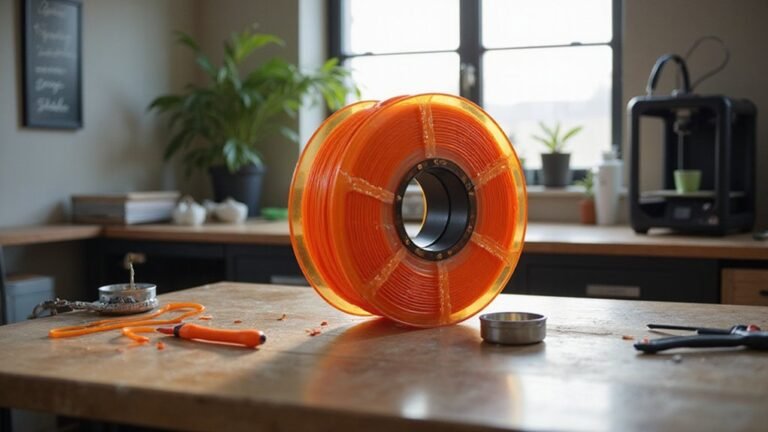
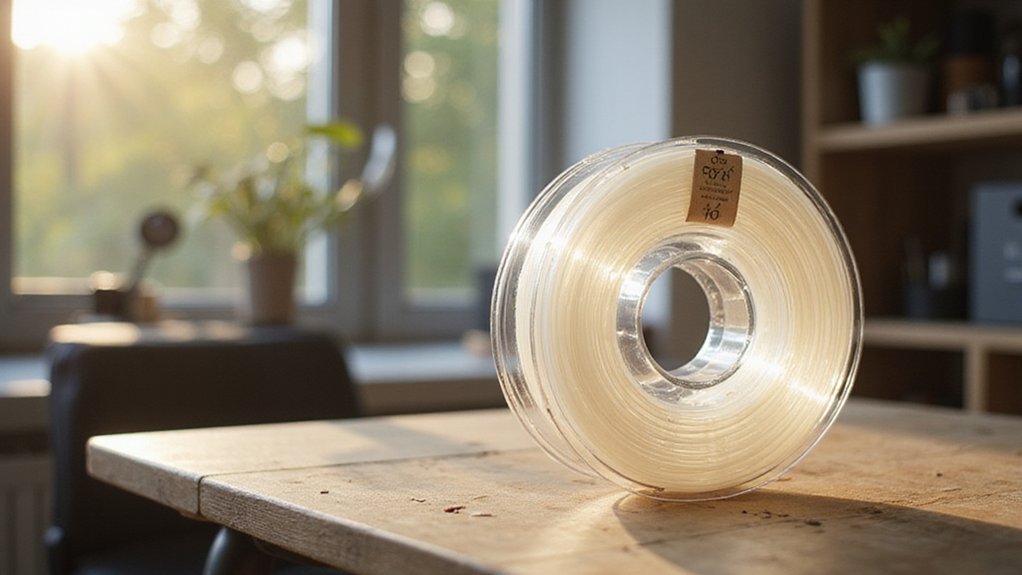
Wondering what PETG filament is and if it’s right for your 3D printing projects? It’s a popular choice because of its combination of strength, flexibility, and a smooth, glossy finish.
Easier to print than some other filaments, it’s great for functional parts that need impact resistance. Keep reading to discover everything you need to know about this versatile material.
What Is PETG Filament and Why Is It Popular?
PETG filament is a popular choice in 3D printing because it offers a strong balance of durability, flexibility, and ease of use. Its smooth surface finish provides a glossy, professional look that often resembles acrylic or glass, making your prints visually appealing. With a wide range of colors—including translucent, clear, and vibrant hues—PETG allows for both functional and aesthetic projects. It is less prone to warping than many other engineering plastics due to its stable melting behavior and good layer adhesion. Despite its toughness, PETG remains relatively straightforward to print with minimal need for post-processing. Its combination of attractive surface qualities and versatility in color makes it suitable for producing durable household items, functional parts, and projects where appearance matters as much as strength. Additionally, choosing the right printing techniques can further improve the quality and durability of your PETG prints, especially when optimizing layer adhesion and print temperature. Proper print settings further enhance the durability and finish of PETG prints, making it a preferred filament for a variety of applications.
How Does PETG Compare to PLA and ABS for 3D Printing?
PETG generally surpasses both PLA and ABS in durability and impact resistance while maintaining easier printability than ABS. Compared to PLA, PETG offers greater heat resistance and flexibility, making it better suited for functional parts that need to withstand mechanical stress. Unlike ABS, which can be challenging due to warping and the need for strict temperature controls, PETG warps less and doesn’t require an enclosure, simplifying the printing process. While PETG can present issues such as stringing and bed adhesion, these are manageable with proper settings and bed preparation. Overall, PETG strikes a good balance: it’s more durable and versatile than PLA and less demanding than ABS, making it a solid choice for a wide range of printing applications. Additionally, PETG’s popularity is growing among hobbyists and professionals alike, thanks to its ease of use for beginners.
What Are the Key Benefits of Using PETG?
PETG offers a compelling combination of durability, flexibility, and user-friendliness. It is highly impact-resistant and tough, making it ideal for functional parts such as covers, brackets, and enclosures that are subjected to repeated stress. Unlike more brittle materials, PETG resists cracking and chipping, which helps extend the lifespan of your printed parts. Additionally, PETG’s resistance to cracking and chipping contributes to its long-lasting performance. Its ability to withstand repeated stress ensures that parts maintain their integrity over time. In terms of flexibility, PETG provides a moderate amount of bendability, allowing parts to flex slightly without breaking. This flexibility reduces the risk of shattering under stress and enables parts to handle tension and compression effectively. Its user-friendly nature also means fewer issues during printing, making it accessible even for beginners. Overall, its blend of strength and flexibility makes PETG a versatile and reliable filament option for a wide range of projects.
How to Achieve Perfect Prints With PETG?
Achieving perfect prints with PETG primarily depends on precise control of your printer’s settings and proper filament management. Start by verifying that your bed is level and your nozzle height is set correctly; this ensures reliable first-layer adhesion, which is critical for successful PETG prints. Store your filament in an airtight container with desiccants to keep it dry, and dry it at 60–70°C for 4–5 hours before printing to prevent moisture from causing stringing, bubbles, or surface imperfections. Filament quality varies between brands and batches, so testing and adjusting your settings accordingly can significantly improve print success. Additionally, considering filament storage methods can extend the filament’s usability and print quality. Set your nozzle temperature between 220–250°C, usually beginning at 230–240°C. Fine-tune this within the range by making small adjustments to find the optimal temperature for your specific filament batch. Reducing print speeds to 35–50 mm/s, especially for the first layer and top surfaces, greatly improves bed adhesion and surface finish. Additionally, optimize your retraction settings to minimize stringing and blobs, and adjust cooling to balance layer bonding and part detail, avoiding excessive cooling which can lead to warping or poor layer adhesion. Ensuring a consistent print environment can further enhance your results and minimize issues like warping and layer separation.
Is PETG Safe and Environmentally Friendly?
PETG filament is generally safe and environmentally friendly for 3D printing. Its chemical stability means it is inert in the environment and doesn’t break down into harmful substances under normal conditions. This makes PETG less likely to release toxic fumes or particles during printing compared to materials like ABS. It emits fewer odors and harmful particles, which is beneficial if you print indoors regularly. Handling PETG properly involves minimizing dust, as polymer dust can be an irritant if inhaled or touched repeatedly. Proper disposal of waste filament and support materials is crucial; follow local guidelines to prevent contamination of soil or water. Reusing and recycling waste filament when possible further reduces environmental impact. Overall, PETG’s stable composition and low emission profile make it a responsible, eco-conscious choice for your 3D printing needs. Additionally, its chemical stability ensures it remains inert in the environment and contributes to its environmentally friendly profile. To enhance sustainability, adopting recycling practices can significantly lessen your ecological footprint when working with PETG.
Exploring PETG Market Options and Variations
PETG filament prices in the market typically range from $16 to $22 per kilogram in the US and €14 to €20 in Europe. These prices reflect the core cost for standard quality options and are influenced by factors such as brand reputation, material quality, and additional features. Spool prices for PETG vary from $13.90 to $31.00, with higher prices generally indicating premium brands or enhanced qualities like improved strength or better printability. Budget-friendly options, such as eSUN and SUNLU, often fall below $16 per kg, making them suitable for basic or experimental projects. On the other hand, premium brands like Siraya Tech or Polymaker charge higher prices due to their focus on durability, consistency, and advanced formulations. Material variations, including bio-based or recycled PETG, also carry a price premium, as they appeal to environmentally conscious buyers. Understanding these pricing tiers helps you select a PETG filament that aligns with your project’s quality requirements, budget limitations, and performance expectations.