If you’re curious about flock heat transfer vinyl, you’ve come to the right place. It’s a plush, textured material that adds a soft, velvety feel to fabric designs, making them stand out with a luxurious touch.
By the end of this, you’ll know what it is, how to cut and apply it, and how to keep your designs looking fresh.
What Is Flock Heat Transfer Vinyl and How Is It Different From Standard HTV?
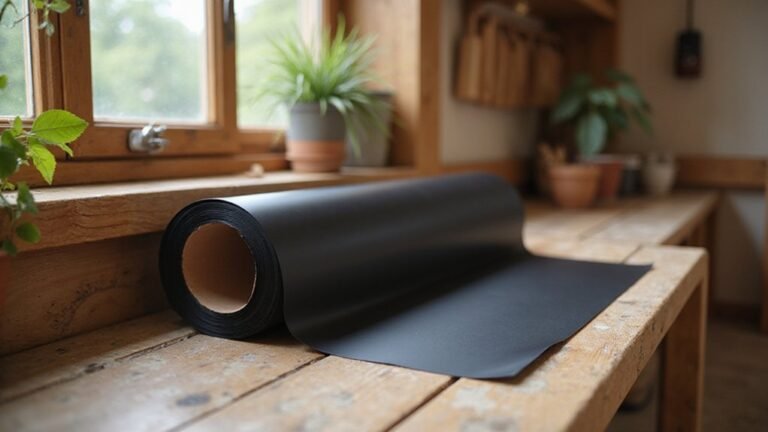
Flock heat transfer vinyl (HTV) is a type of vinyl characterized by its plush, velvety texture that creates a raised, tactile design on fabrics. Unlike standard HTV, which has a smooth, plastic-like surface, flock HTV offers a soft, fuzzy feel that adds dimension and a touch of luxury to your projects. This textured quality makes it particularly striking and inviting to touch. Additionally, flock HTV is often thicker and more substantial than standard HTV, providing a more premium appearance and enhanced durability. The fuzzy surface helps designs stay soft and maintain their shape over time, making flock HTV especially suitable for casual, sportswear, or any item where a durable, textured finish is desired. Its texture and appearance also make it ideal for creating eye-catching designs that stand out on various fabrics. Since flock HTV is crafted through a special process that incorporates adhesive and fibers, it tends to be more rigid and structured compared to traditional vinyl options, which enhances its visual impact and longevity.
How Is Flock HTV Made? Materials, Construction, and Types Explained
Flock heat transfer vinyl is made through a multi-step process involving careful selection of materials, precise construction, and quality control to ensure consistent quality. The core of flock HTV is a base polymer layer, typically PVC, viscose-rayon, or polyester. Short fibers are embedded into this layer to create a soft, textured surface that resembles velvet or suede. Fiber orientation is critical; during manufacturing, electrostatic or flocking-style deposition methods align fibers vertically, resulting in a raised pile and a three-dimensional profile that adds texture and visual interest. Manufacturers control dye penetration during production to achieve uniform color coverage and opacity, especially in dense or specialty-colored flock HTV. The fibers are bonded with a heat-activated adhesive backing, which secures them securely to the base material. This adhesive allows the flock HTV to be transferred onto fabric using heat and pressure, ensuring durability and adherence. The manufacturing process often involves an electrostatic flocking method, which helps produce a consistent and even nap across the entire sheet. Once the flock HTV sheets are complete, they are cut into rolls or sheets for ease of use. Every batch undergoes rigorous quality control processes, focusing on uniform pile density, consistent texture, and durability. Additionally, manufacturers often perform color testing to confirm visual appeal and colorfastness. This comprehensive process ensures that the final product maintains high standards of texture uniformity and visual consistency. The result is a versatile material that combines vibrant, opaque colors with a plush, textured finish, suitable for various apparel and craft applications.
Why Use Flock HTV? Key Visual and Textural Benefits
Flock HTV offers a distinct visual and tactile experience that makes it a favorite for standout designs. Its textured surface creates a noticeable contrast that adds depth and dimension, helping graphics appear more prominent and engaging. The raised fiber layer produces a plush, three-dimensional look that instantly captures attention. This texture also contributes to a rich color vibrancy and opacity, ensuring true, bold colors that remain bright even after multiple washes. Additionally, flock HTV’s unique soft velvet feel enhances the overall perception of quality and luxury in your designs. The textural quality of flock HTV increases the perception of quality, making logos, lettering, and detailed designs feel more luxurious and memorable. Its durability ensures that your creations stay vibrant and intact through repeated washing and wear. When choosing between vinyl options, understanding the performance characteristics can help you select the best material for your specific application. Overall, flock HTV’s combination of visual richness and plush texture elevates your apparel projects by delivering a premium, distinctive look and feel.
Best Fabrics and Garments for Applying Flock HTV
Fabrics that can withstand the heat and bond securely are ideal for flock HTV. 100% cotton, polyester, and cotton-polyester blends are top choices because they offer strong durability and handle the application temperature without damage. These materials also come in a broad spectrum of colors, making customization straightforward. For thicker garments and accessories, canvas and denim are sturdy options that retain their shape and texture after pressing. T-shirts and hoodies made from cotton or blended fabrics are perfect for apparel, while porous and stable surfaces like tote bags and hats work well for promotional items. Avoid fabrics such as nylon, lycra, and spandex, as they tend to struggle with adhesion or are sensitive to heat, leading to unreliable results. Choosing the right fabric ensures that the flock HTV adheres properly and maintains its fabric-like finish over time. Additionally, understanding the cost factors involved in producing flock HTV can help users make more informed decisions when selecting materials and suppliers. Usually, selecting materials that are compatible with high application temperatures from reliable sources can prevent issues related to improper adhesion or damage. Being aware of fabric compatibility can further improve application success and product longevity.
How to Cut and Prepare Flock HTV for Application
To cut flock HTV correctly, start by mirroring your design in your cutting software. Flock HTV needs to be reversed so it appears correctly after transfer. Load the material with the shiny side down on your cutting mat, ensuring the dull side faces up. This orientation helps the cutter read the design accurately and prevents miscuts. Because flock HTV is thicker than standard thermoplastic vinyl, use a sharp blade and adjust the cut depth carefully. A deeper cut may damage the liner or make weeding difficult, so test your settings on scrap material first. After cutting, weed the excess flock from the outside inward, taking extra care with fine details. Before applying with eco-friendly adhesives, preheat your garment briefly to remove moisture and create a smooth surface, which improves adhesion and results in a cleaner finish. Proper cutting techniques are essential to ensure clean edges and successful weeding when working with thicker materials like flock HTV.
How to Apply Flock HTV: Pressing Parameters and Techniques
Applying flock HTV requires precise control over pressing temperature, time, and pressure to ensure a strong bond. The recommended temperature range is typically between 300°F and 315°F. For products like Siser StripFlock Pro, set your heat press to 311°F and press for 10 to 15 seconds. Some formulations, especially thicker or higher-quality flock HTV, may require higher temperatures around 320°F to 340°F and pressing times up to 20 seconds. Medium pressure is ideal, providing enough contact without risking shifting or scorching the material. Using a pressing pillow helps achieve even contact on textured or uneven surfaces.
Always pre-press the fabric for 2 to 5 seconds to smooth out wrinkles and remove moisture, which promotes better adhesion. Place a Teflon sheet or parchment paper over the flock HTV during pressing to protect it from direct heat and prevent sticking. Press straight down without sliding or lifting the iron, as movement can cause uneven adhesion or distort the design. Maintain full coverage of the design during the process to ensure consistent heat distribution and a secure bond. Proper heat transfer is essential for achieving professional-looking results and lasting durability. Understanding transfer tape can also help prevent issues like peeling or misalignment during application. Additionally, paying attention to temperature control ensures that your designs adhere properly without damaging the material.
Layering Flock HTV With Other Vinyls and Textiles
Layering flock HTV with other vinyls works best when placing the thicker flock underneath more reflective or shiny materials like glitter, holographic, or metallic HTV. This placement adds depth and contrast to your design while ensuring good adhesion. To make alignment easier, use an outline or solid base shape as a guide for matching layers, especially in multi-color projects. Combining matte flock with reflective or metallic top layers offers a striking contrast that enhances visual appeal. Properly ordering your layers and grouping them before pressing reduces the chance of misalignment. Using the correct heat transfer vinyl types can significantly impact the success of layered projects. Since flock is thicker, it often requires a stronger bond. Start with shorter tack or peel-away presses to secure the flock, followed by longer, final pressing to ensure durability. When working on textiles, always pre-press the fabric to remove wrinkles and smooth the surface. To keep layers aligned during the transfer, secure them with heat-resistant tape. This helps maintain precision and prevents shifting during pressing. Layering techniques are essential for achieving professional-looking multi-layered designs with flock HTV. Additionally, understanding cost considerations when working with different materials can help manage budgets effectively while maintaining quality. Properly practicing layer alignment on scrap materials before proceeding to your project can greatly improve your results.
How to Care for Flock HTV Designs to Ensure Longevity
To care for your flock HTV designs and ensure they last, always wash them inside out in cold water, ideally not exceeding 40°C. This helps maintain the adhesive strength and prevents peeling. Use a gentle cycle with mild detergent, avoiding bleach and fabric softeners, which can damage the flock surface. Air drying is best; if you need to use a dryer, select low heat settings to prevent stressing the adhesive. Never iron directly on flock HTV—place a barrier like a pressing cloth and keep the heat low to avoid damaging the design. Refrain from rough cleaning or stretching, as these actions can weaken the bond. Proper storage, away from direct sunlight, and prompt repairs will further extend your flock HTV’s lifespan, keeping your designs vibrant and durable. For added protection, bending acrylic sheets techniques can offer insights into careful handling and maintenance practices. Additionally, understanding the different types of 3D printer technologies can help you choose the best tools for creating durable, long-lasting designs.
Common Challenges With Flock HTV and Troubleshooting Tips
Cutting and weeding problems are common when working with flock HTV. Because flock’s texture and thickness vary, adjusting the blade depth and force is crucial. Testing different settings on scrap pieces helps prevent wasted material and ensures clean cuts. Weeding can become difficult if the design’s intricate details aren’t cut properly, so take your time and use the right tools for precision.
Poor adhesion often results from inadequate heat, pressure, or surface preparation. Following the manufacturer’s instructions for temperature, pressure, and pressing time helps secure a strong bond. Surface contamination such as dust, moisture, or oils can weaken adhesion. Make sure the surface is clean and dry before application for the best results.
Peeling occurs if you peel the cover sheet too early or don’t allow the material to cool completely. It’s best to peel slowly and steadily once the flock has cooled down to prevent lifting. Surface contamination and improper handling during application can also cause peeling or uneven transfers. Proper surface prep and patience during peeling are key to achieving a durable and professional finish.
Is Flock HTV Right for Your Apparel or Accessory Projects?
Flock HTV is an excellent choice for adding bold, textured designs to your apparel or accessories, especially if you want a premium, tactile finish that stands out. Its plush, velvet-like surface creates visual contrast and dimension, making it ideal for statement graphics, logos, and decorative details. When deciding if flock HTV suits your project, consider fabric compatibility—cotton, polyester, or blends work well and can handle the added texture.
Design size and detail are important factors. Flock HTV works best on larger or simpler designs that allow its raised, velvety surface to shine. If your design includes fine lines or intricate details, you might find that flock HTV doesn’t hold as well or can obscure small elements. Color matching is crucial to ensure your design pops, especially since the textured surface can be less forgiving with subtle shading.
For larger production runs, bulk ordering can reduce costs and streamline your workflow. It’s particularly advantageous for branded apparel or promotional accessories where uniformity is key. Keep in mind that flock HTV performs best on surfaces with enough space to display its tactile quality, adding depth and visual interest to your finished products.