If you’re wondering where to buy butcher paper that’s safe to use with food, you’re in the right place.
Finding high-quality, food-grade paper can seem tricky, but knowing what to look for makes all the difference.
Whether shopping in stores or online, this guide will help you find the best options for your needs.
What Makes a Food-Safe Butcher Paper?
To ensure a butcher paper is food-safe, it must be certified for direct contact with food, not just marketed as “butcher paper.” Look for labels that indicate “food-safe” or “FDA-compliant,” as these certifications confirm the paper meets strict safety standards. Food-contact certification, such as FDA approval, shows that the paper has been tested and approved for wrapping meat, fish, and other edible items without risking contamination. It’s essential to verify the certification because some products labeled as butcher paper may not be truly food-grade. Genuine food-grade butcher paper is designed specifically for direct contact, helping to preserve the quality of the food and prevent cross-contamination. Choosing certified paper ensures safe handling, supports meat preservation, and reduces health risks associated with non-food-grade materials. Additionally, pay attention to the paper’s composition and manufacturing standards, as these factors can influence its safety and FDA compliance, ensuring it is suitable for food contact.
Where Can I Find Food-Grade Butcher Paper for BBQ?
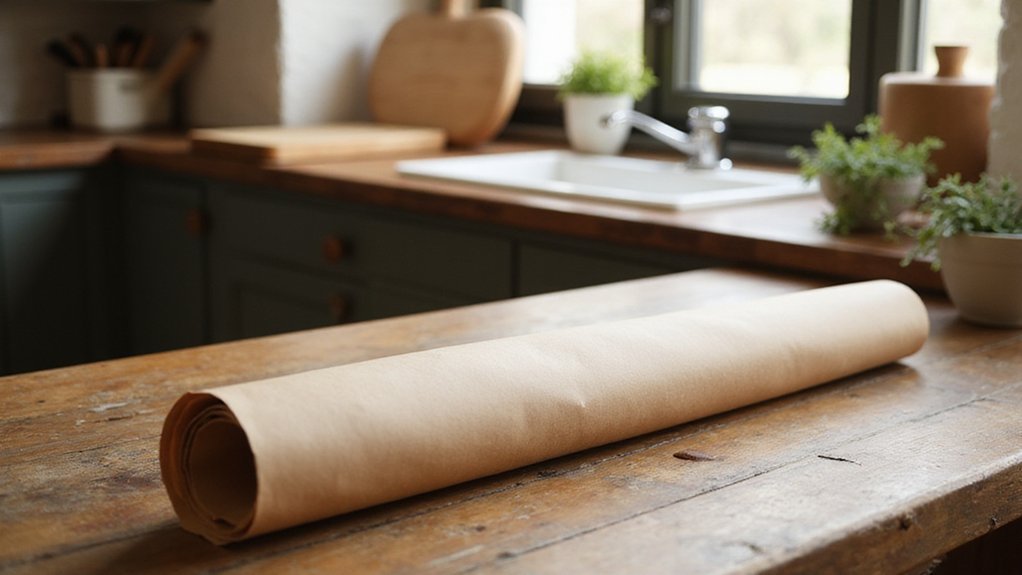
You can find food-grade butcher paper for BBQ at several retail locations. Major big-box stores like Lowe’s, Walmart, and Home Depot stock FDA-compliant, food-grade butcher paper, typically labeled with terms like “food-grade,” “FDA-compliant,” or “for smoking meat.” These options are ideal for wrapping and curing meat, providing a clear distinction from general-purpose paper. They’re convenient for quick purchases and small quantities, such as individual rolls. Additionally, understanding the composition of PLA filament can help you identify safe and suitable materials for food-related uses, even though PLA is primarily used in 3D printing. Restaurant supply stores, including wholesale suppliers like Restaurant Depot, carry bulk rolls designed for food service. These are often offered at lower per-foot costs and are suitable if you need larger quantities. It’s also helpful to know how food-grade materials are regulated to ensure safety and compliance. Recognizing the cost variations of PLA filament can assist in budgeting and making informed purchasing decisions. Online marketplaces like Amazon also supply specialty BBQ brands such as Reynolds or Butcher BBQ, featuring thinner, smoker-friendly options. Specialty BBQ shops are another excellent source for paper specifically meant for smoking and brisket wraps, ensuring optimal BBQ performance.
How Do I Choose the Right Size and Format for My Meat?
To choose the right size for your butcher paper, measure your meat at its widest point. This measurement helps determine the necessary length—typically 2.5 to 4 times the meat’s width. For example, a brisket requires about two arm-lengths of paper, ensuring enough material to wrap fully without gaps. You want to leave some overlap for secure wrapping but avoid excess to minimize air pockets. Width options like 18 inches are versatile for most smoking and wrapping needs, providing a snug fit. For larger cuts such as whole roasts, consider 24-inch wide paper, which can cover bigger surfaces with fewer overlaps. If the meat is especially large, like certain roasts or multiple cuts, 30 inches or more might be required. Pre-cut sheets are convenient if your meat sizes are consistent, but rolls give flexibility for uneven or larger pieces. The goal is to select a size that contacts the meat well, with minimal air gaps, making the wrapping process more effective. Ensuring the paper’s resistance to heat and moisture is also crucial for successful smoking or cooking. Additionally, understanding proper sizing techniques can help prevent waste and improve your wrapping efficiency. Considering durability during handling can also impact the quality of your wrapping process, especially when dealing with heavy or large cuts.
How Can I Recognize High-Quality Butcher Paper?
To recognize high-quality butcher paper, start by feeling its surface. It should be smooth but slightly rough to the touch, indicating a natural, uncoated material. Avoid glossy or overly slick textures, as these often have coatings that can melt into food or pose safety risks. High-quality butcher paper feels uncoated and natural, ensuring it won’t bleed onto meats or other foods. Check the texture to verify it’s durable enough to withstand moisture and heavy handling. If surface treatments are present, they must be food-safe and non-bleeding, especially when used with meats. Always opt for paper free from chemical treatments or excessive coatings to maintain food safety and quality. Additionally, understanding vinyl safety can help ensure your materials are suitable for food contact and cleaning, further supporting safe food handling. Evaluating the material composition can also assist in selecting sturdy, safe paper that meets safety standards and avoids contamination.
When Is Buying in Bulk Worth It?
Buying in bulk is worthwhile if you regularly need large amounts of butcher paper. Standard 1000-foot rolls, usually costing between $20 and $40, provide a much lower cost per foot compared to retail options priced over $60. This can lead to significant savings over time, especially for high-volume buyers like butcher shops or those who smoke frequently. Proper storage is essential to keep the paper in good condition and prevent damage. While the upfront cost is higher, buying in bulk reduces packaging waste and environmental impact, making it both economical and eco-friendly for steady users. Additionally, choosing the right vinyl sheets can ensure you get durable, high-quality paper that meets your specific needs.
How Much Should I Expect to Pay for Good Butcher Paper?
Good butcher paper typically costs between $20 and $175 or more, depending on size and quality. Lower-priced rolls, such as pink or standard 40-pound basis weight paper, usually fall within the $20 to $40 range. These tend to be smaller in width and length, making them suitable for casual use or smaller cuts. Mid-range options in the $40 to $75 range often feature 40 to 50-pound basis weights, wider rolls, or longer lengths, offering better durability for smoking, wrapping, or larger cuts. Premium rolls exceeding $75, sometimes reaching $175 or more, provide greater width, heavier basis weights, and extended lengths. They are ideal for frequent use or larger projects where durability and moisture resistance are essential. When shopping, consider how much paper you need and whether the moisture resistance suits your storage or cooking needs to ensure you get the best value without overspending.
What Are Common Mistakes When Buying Butcher Paper?
When buying butcher paper, a common mistake is choosing paper with color variations or unsuitable packaging materials. Waxed, coated, or bleached papers may look attractive but can melt during high heat, transfer unwanted substances to your food, or pose health risks. To avoid this, always select food-grade, FDA-compliant butcher paper that is labeled as unwaxed, uncoated, and unbleached.
Another frequent error is neglecting the paper’s wet strength and thickness. Thin or weak paper can disintegrate when exposed to moisture, leading to messy cleanup or incomplete wrapping. Ensuring you choose a sturdy, tear-resistant paper with good moisture resistance helps maintain your wrap integrity during smoking or handling.
Additionally, buying the wrong size or format—such as rolls that don’t fit your cuts—can result in unnecessary material waste. Measure your typical cuts beforehand and select the appropriate roll width and length to match your needs.
Finally, avoid confusing butcher paper with parchment, craft, or freezer paper. These types are made for different purposes and may not meet the food safety standards you require for wrapping meats. Always verify that your butcher paper is specifically designed for food contact and safe for cooking or smoking. Additionally, understanding food-grade butcher paper ensures you select a product that is safe and suitable for your culinary needs.
Where Do Local Butcher Shops and Grocery Stores Get Their Butcher Paper?
Local butcher shops and grocery stores typically get their butcher paper from specialized suppliers rather than relying on retail shelves. These stores usually purchase from meat-packing and food-service supply channels or bulk distributors that focus on packaging solutions for meat preservation. They might buy pre-cut squares, by-the-pound quantities, or rolls with dispensers, depending on their needs. Grocery stores often keep butcher paper near aluminum foil, plastic wrap, or barbecue supplies, sometimes selling small amounts under miscellaneous codes. Larger shops and commercial operations prefer long, wide rolls for efficiency and consistency in packaging. Food-service wholesalers like GFS or Cash and Carry offer lower per-foot costs and bulk options tailored for high-volume meat packaging. The emphasis is typically on food-safe, uncoated paper that meets the standards for meat preservation and packaging innovation. Additionally, packaging standards ensure that the butcher paper used is suitable for preserving and extending the shelf life of meat products. To meet industry requirements, many suppliers also provide safety-certified options that adhere to strict regulations for food contact materials. Ensuring the paper is compliant with food safety standards is crucial for maintaining product quality and consumer trust.
Which Retailers and Wholesalers Sell Professional-Grade Butcher Paper?
Retailers and wholesalers that serve professional kitchens and serious BBQ enthusiasts carry high-quality butcher paper suitable for demanding use. These suppliers focus on durability, safety, and performance, offering products designed for meat wrapping and specialized packaging. Food-service suppliers such as WebstaurantStore, POSPaper, and Restaurant Depot stock large rolls and sheet options ideal for high-volume operations. Manufacturers like Papertec Inc. and Oren International provide meat papers with food-grade labels, uncoated surfaces, and around 40-pound basis weight, ensuring strength and flavor preservation. Specialty retailers including Brigades Meat Co., ATBBQ, and outdoor supply stores focus on smoker-grade paper with features tailored for grilling and smoking. These professional-grade sources guarantee your meat wrapping meets rigorous safety standards and performs well under heavy use, whether in retail environments or large-scale BBQ setups. Food-grade materials ensure that the paper used complies with safety standards, making it suitable for direct contact with meat. Additionally, packaging techniques play a vital role in maintaining meat quality and safety during storage and transport. Sublimation printers are also increasingly used for customized packaging and branding in food service.
How Do I Ensure I Get the Best Value and Quality When Buying?
To ensure you get the best value and quality when buying butcher paper, focus on several key factors. First, examine the paper texture: a surface that’s smooth yet slightly rough indicates proper kraft pulp density, which enhances absorption and durability. Next, verify manufacturing standards by checking for FDA approval and food-grade certifications; these guarantees safety and compliance without hidden costs. Additionally, understanding heat transfer properties of the paper can help ensure it performs well for your specific needs. Comparing the absorption capacity of different brands can also help determine how well the paper will handle moisture. Compare the price per square foot across different roll formats and pre-cut sheets to identify potential bulk savings. Heavier weights, typically between 40# and 50#, offer increased sturdiness and are usually more reliable for handling moisture and pressure. Lastly, research the brand’s history for any recalls or safety issues to ensure you are purchasing from a dependable source. Considering these factors helps you select butcher paper that balances quality, safety, and value effectively.