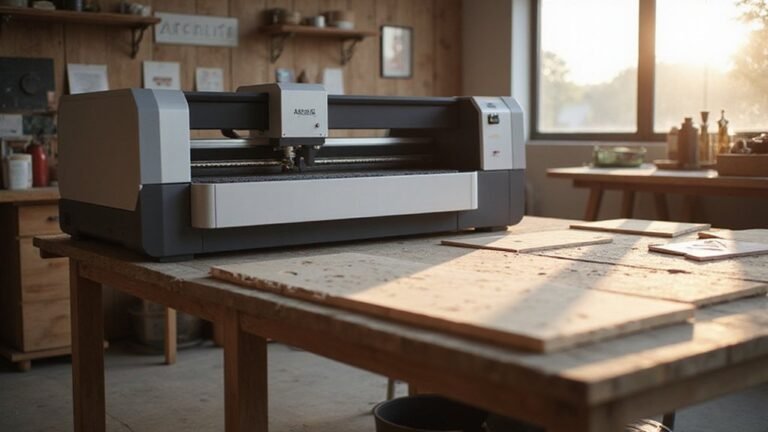
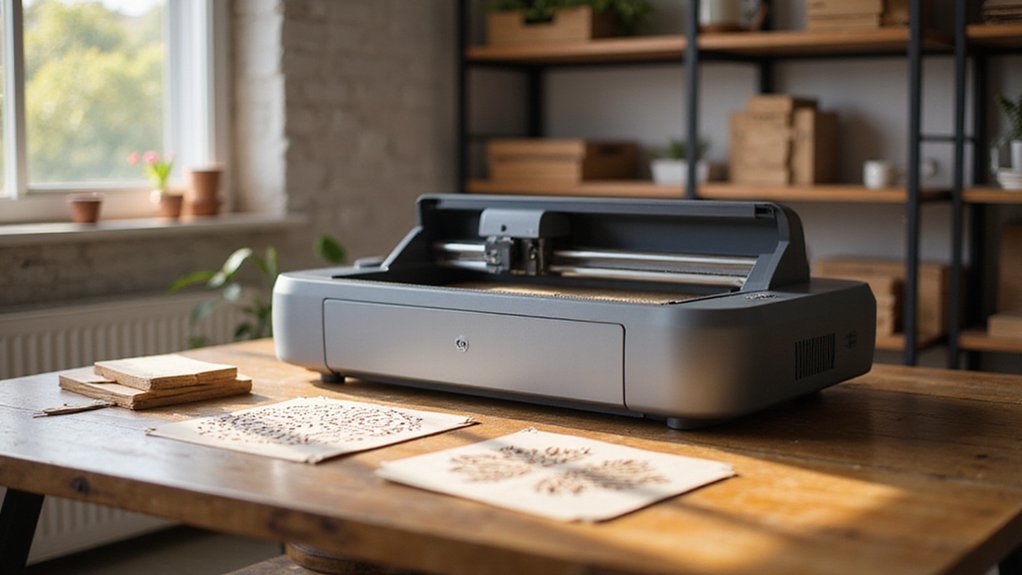
If you’ve ever wondered how precise designs are created or how materials are cut with such accuracy, a laser cutter might be the answer. This machine uses a concentrated laser beam to carve or engrave a variety of materials, from wood to metals, with clean edges and speed.
By the end of this, you’ll understand how laser cutters work, their main types, and tips for safe and effective use.
Keep reading to discover everything you need to know about this versatile tool.
What Is a Laser Cutter and How Does It Work?
A laser cutter works by focusing a high-powered laser beam onto the material to be cut or engraved. The laser’s beam is produced by a laser resonator, then directed through mirrors and lenses to the cutting head. This head moves precisely along the X and Y axes, guided by computer-controlled instructions. As the focused laser hits the material, it heats up so intensely that it melts, burns, or vaporizes the surface. This thermal process creates cuts that are clean and accurate, even for complex designs. The system’s mirrors and lenses ensure the beam remains precisely targeted, allowing for intricate work with minimal material waste. Because the laser can be programmed to adapt to various materials, laser cutters are highly versatile, capable of producing both delicate engravings and detailed cuts quickly and consistently. Additionally, the precision of laser cutters depends on accurate light focusing components, which are essential for achieving high-quality results. Understanding the laser’s wavelength is crucial, as it affects how the laser interacts with different materials and determines the suitability for specific tasks.
What Are the Different Types of Laser Cutters?
Laser cutters come in several main types, each utilizing different laser technologies suited for specific materials and precision levels. CO2 lasers are among the most common; they produce a 10.6-micron infrared beam derived from a gas mixture, making them ideal for cutting non-metallic materials like wood, acrylic, and plastics. Fiber lasers generate a 1064-nanometer near-infrared beam with high energy density, enabling efficient cutting of reflective metals such as steel, aluminum, and brass. Nd:YAG and Nd:YVO lasers use crystal-based sources that deliver high-precision cuts, suitable for applications involving metals, ceramics, and intricate detail work. Diode lasers are compact, cost-effective, and are primarily used for engraving organic materials like wood, leather, and paper. Each type varies in cutting speed, material compatibility, and precise control, allowing you to choose based on your specific project needs. Understanding the different laser technologies can help you select the most suitable laser cutter for your requirements. Additionally, variations in laser beam quality influence the intricacy and finishing of your cuts.
Which Materials Can I Cut With a Laser?
Many materials can be cut with a laser, but suitability depends on the type of laser and material properties. Wood, including solid wood, plywood, and engineered wood, works well with CO2 laser systems, producing clean edges and detailed designs. Paper, cardboard, cork, and other cellulose-based materials are easy to cut, making them popular for crafts and prototypes. Acrylic, especially cast and extruded types, is another common choice, though safety precautions are necessary to manage fumes. Leather, textiles, rubber, and foam also cut effectively with laser systems, but some foams may require testing to ensure safe cutting. Metals can be laser-cut using specialized systems like fiber lasers, but reflective metals such as aluminum and copper can pose challenges due to their reflective properties. Always follow safety guidelines, including proper ventilation, wearing protective gear, and adhering to manufacturer instructions, to ensure safe and successful laser cutting of your materials. Material compatibility is an important factor to consider when selecting what to cut with your laser system. To ensure precise results, understanding the properties of your materials can help you choose the right laser settings and avoid damage.
What Are the Benefits of Laser Cutting for Manufacturing and Design?
Laser cutting offers numerous benefits that significantly improve manufacturing and design processes. Its high precision allows you to achieve tight tolerances and intricate details, which reduces errors and batch variability. This accuracy is especially valuable for complex geometries and fine features. Additionally, the use of hardened steel or stainless steel nozzles can influence the quality and efficiency of the cutting process, making material selection important.
Faster processing times combined with minimal setup requirements cut down production costs and help streamline workflows. This efficiency facilitates quicker design iterations, enabling you to adapt and refine products rapidly. The clean, smooth edges produced by laser cutting often eliminate the need for secondary finishing, saving time and labor costs.
Material waste is minimized due to tighter nesting cuts, which enhances material utilization and overall cost savings. These optimized layouts also support more sustainable practices by reducing environmental impact. Additionally, the ability to cut a wide range of materials enhances versatility and expands potential applications. The compatibility of laser cutting with CNC automation offers flexibility for mass customization, allowing you to produce personalized or complex designs with ease.
Furthermore, understanding fiber laser technology and its advantages can help in selecting the right laser system for specific manufacturing needs. Overall, its precision, efficiency, and sustainability make it a highly advantageous technology for modern manufacturing and design applications.
What Safety Tips Should I Follow When Using a Laser Cutter?
To ensure safety when using a laser cutter, follow these essential practices. First, verify that your workpiece is made from an approved material to prevent hazardous fumes or fires. Clear the workspace of any flammable items before starting. Make sure safety interlocks are engaged and that covers or doors remain closed during operation to contain the laser beam. Check that the exhaust system, purge air, and air assist are functioning correctly to remove fumes and debris effectively. Never leave the laser cutter unattended while it’s running, and keep an emergency stop button within easy reach, along with knowing the proper shutdown procedures. Regularly clean the laser bed and internal cavity to prevent scrap build-up, which could ignite. Proper ventilation or fume extraction is critical, especially when cutting plastics or materials with toxic fumes. Always wear laser safety glasses to protect your eyes from reflected or stray laser light, and be familiar with emergency procedures to respond quickly if flare-ups or other incidents occur. Additionally, proper ventilation is vital for removing harmful fumes and maintaining a safe working environment. Understanding the components of a laser cutter can help identify potential hazards and improve overall safety practices.
How Do I Choose the Best Laser Cutter for My Projects?
Choosing the right laser cutter depends on your specific project needs and budget. Start by selecting the laser type: diode lasers are affordable and best for engraving thin materials, while CO2 systems provide stronger cutting power suited for wood, acrylic, and leather. Match the wattage to your material thickness—you’ll typically need 30 to 60W for hobbyist projects and 80W or more for professional work.
Consider the size of the work area. It should accommodate your typical projects without crowding your workspace. For example, a 12 by 20 inch bed is common for small to medium projects, but larger sizes may be necessary for bigger items. Also, factor in costs for accessories like enclosures, ventilation systems, and compatible software to ensure smooth operation and proper maintenance, which can significantly impact the overall performance and durability of your laser cutter.
Finally, decide whether your main focus is engraving, cutting, or both. Choosing a machine tailored to your primary tasks will save you time and enhance efficiency, leading to better project outcomes. Understanding laser cutter capabilities and how they relate to different material properties will help you select the most suitable machine for your needs.
How to Safely Operate a Laser Cutter: A Step-by-Step Guide
Ensure the laser cutter is operated safely by following these critical steps. First, verify that your work area is free of clutter and flammable materials to prevent fire hazards. Keep your personal protective equipment (PPE), such as safety glasses and gloves, readily accessible and make sure emergency equipment like a fire extinguisher is nearby and operational. Check that all safety interlocks and covers are securely closed to prevent accidental exposure to the laser beam. Confirm that the exhaust or ventilation system is functioning properly to remove fumes and smoke generated during cutting. Proper ventilation is essential to clear toxic fumes and ensure a safe breathing environment. Maintain the machine in optimal condition with regular maintenance checks, including lens cleaning and alignment. Always verify that startup diagnostics are complete before beginning operation. When loading your material, ensure it is flat and fully supported, then align your design accurately and confirm the correct lens height and beam alignment. Before initiating the cut, perform a test run to verify that the placement and parameters are correct. During operation, stay attentive, keep the cover closed, and watch for any signs of hazards such as unusual smoke, sparks, or material burning. Monitoring laser performance can help prevent malfunctions that might otherwise lead to accidents or damage. Do not leave the machine unattended while it is running. After finishing, allow the machine to cool down, then carefully clean the work bed and surrounding area. Finally, document your work process and results for future reference and safety audits.
Common Laser Cutting Problems and How to Fix Them
To fix incomplete cuts, focus on increasing the laser power or reducing the cutting speed. Low laser power prevents full penetration, leading to shallow cuts, while moving too fast can also prevent the laser from properly cutting through the material. Adjusting these parameters ensures your laser has enough energy to complete the cut in one pass. Properly setting the laser focus height is equally important; an incorrect focus prevents the laser from concentrating its energy effectively, resulting in rough edges or incomplete cuts. Always verify the focus is set correctly for the material thickness you’re working with. Additionally, adjusting the assist-gas pressure can improve cut quality. Too high or too low gas pressure can cause rough edges, slag buildup, or incomplete cuts. Fine-tune the gas pressure to maintain a steady, clean cut. Managing burn marks and overheating involves increasing the cutting speed or lowering the laser power, reducing excessive heat buildup. Regularly check and realign the laser beam and mirrors to prevent misalignment issues, which can cause uneven cuts or a drifting beam. Keep lenses and nozzles clean to avoid contamination that can interfere with beam quality, ensuring your laser cutter performs at its best. Contamination inside the nozzles can impair cutting performance and lead to inconsistent results, so maintaining clean components is crucial. Regular cleaning and proper maintenance of these parts help sustain optimal laser beam quality over time. Proper laser focus adjustment is essential for consistent cutting results and minimizing material waste.
Future Trends and Innovations in Laser Cutting Technology
Advancements in laser cutting technology are making systems more precise, versatile, and safer. Fiber lasers now dominate the metal cutting sector because they offer higher speeds, lower maintenance needs, and greater energy efficiency. These lasers are capable of cutting thicker metals at reduced costs, expanding material options and thickness ranges. Fiber lasers are increasingly integrated with AI-assisted control systems that improve cutting accuracy by predicting potential anomalies before they occur and adjusting process parameters accordingly. They enable adaptive beam control, which fine-tunes the laser during operation, reducing unstable cuts and enhancing safety. Automation integrated with smart factory systems streamlines workflows, increases throughput, and ensures consistent quality. Sustainability efforts focus on energy-efficient design. Modern fiber lasers reach conversion rates of up to 45%, significantly reducing power consumption. As innovations continue, future laser cutting systems will become even more precise and adaptable, capable of handling complex geometries and a wider array of materials for innovative manufacturing applications.