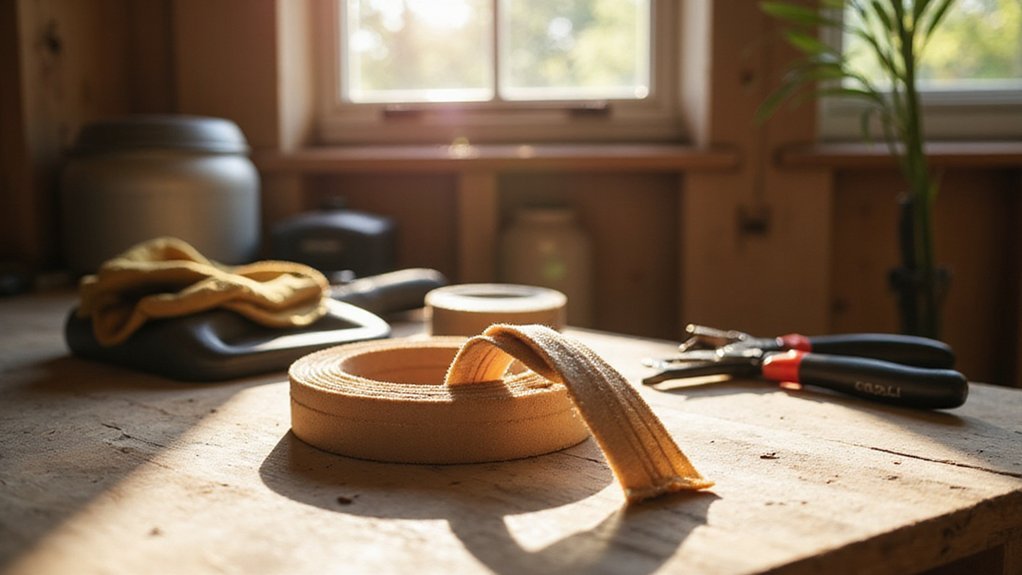
Worried about your pipes freezing during cold snaps? Heat tape can be a simple, effective solution, as it’s an electric cable that generates heat to keep surfaces or pipes from icing up.
It’s available in different types to suit outdoor, indoor, or industrial needs. Keep reading to find out how to choose, install, and use heat tape safely and effectively.
What Is Heat Tape and How Does It Work?
Heat tape is an electrical heating cable that prevents pipes, gutters, and other surfaces from freezing. It functions as a resistive heater, where electricity flows through a conductive wire—usually nichrome—that heats up due to electrical resistance. The heat directly warms the surface, making it effective for freeze protection. Many heat tape models include thermostats that cycle power on and off automatically. This helps maintain a consistent temperature and improves energy efficiency by preventing unnecessary energy use. Some units are self-regulating, meaning they adjust their heat output based on the surface temperature to avoid overheating. Self-regulating technology enhances safety and energy savings by adapting to weather conditions and pipe temperatures. Proper installation is crucial for optimal performance; it ensures the heat tape effectively protects your pipes and gutters while saving money over time. Additionally, selecting the right insulation is essential to maximize efficiency and prevent heat loss. Understanding the performance factors can help you choose the most suitable heat tape for your needs. Properly installing heat tape can extend its lifespan and ensure safe operation, making informed decisions critical for proper freeze protection.
How to Choose the Right Heat Tape for Your Needs
Choosing the right heat tape depends on thoroughly assessing your specific application needs and environmental conditions. First, identify the primary function of the tape—whether it’s for insulation, protection, or heat transfer—and ensure the tape’s thermal conductivity aligns with your target temperature. Environmental factors such as moisture, chemicals, UV exposure, vibration, or mechanical stress are equally critical; select tapes with resistance tailored to these conditions. For harsh environments, opt for high-mechanical-strength tapes designed to withstand mechanical stress and vibration. Surface conditions like smoothness and cleanliness influence adhesion—clean, dry surfaces boost tape performance. Always check the temperature rating to confirm it covers your maximum operating temperature and consider whether the tape is suitable for continuous or short-term use. Review manufacturer instructions carefully and perform small tests if possible to verify compatibility. Additionally, understanding filament compatibility and application-specific requirements can help ensure your heat tape performs reliably in your setup. Proper installation techniques and surface preparation also play a crucial role in adhesion effectiveness. Ensuring the material composition of the tape matches your environmental and operational demands is essential for optimal performance. Finally, ensure that both the tape’s material and adhesive are appropriate for your specific environment and application to achieve optimal performance.
What Are the Different Types of Heat Tape?
There are several different types of heat tape, each suited to specific applications and conditions. Constant wattage heat tape provides a fixed power output along the entire length, making it ideal for small-diameter pipes that require consistent heat. Self-regulating heat tape adjusts its heat output based on the surrounding temperature, increasing heat in colder conditions and decreasing it when warmer, which enhances both electrical safety and energy efficiency. Silicone rubber heat tape offers flexibility and moisture resistance, making it suitable for lower-temperature environments and outdoor use. Fiberglass heat tape, capable of withstanding temperatures up to 1,400°F, is perfect for industrial applications that demand higher heat resistance. Additionally, there are specialized heat-resistant tapes like Kapton, foil, glass cloth, and polyester, each designed to operate within different temperature ranges. Choosing the right type depends on your specific heating needs, safety considerations, and environmental conditions. Self-regulating cables often contain a carbon plastic core that re-aligns at low temperatures to conduct electricity, further enhancing their adaptability to varying conditions. When selecting heat tape, it’s important to consider the temperature range suitable for your application to ensure safety and effectiveness. It’s also essential to understand water exposure and how it can affect different types of heat tape, especially those intended for outdoor or damp environments. Factors such as environmental conditions can significantly influence the durability and performance of the heat tape over time.
Where and How Can You Use Heat Tape Effectively?
Heat tape is most effective when used along exposed water lines in cold climates or areas prone to low temperatures. It works best on metal and rigid plastic pipes, including exposed supply pipes, shutoff valves, and freshwater lines in manufactured homes. To maximize its efficiency, apply the tape directly to the pipe surface, then cover it with insulation to retain the generated heat. Proper placement and installation techniques are essential to ensure safety and performance, especially around electrical components. Besides protecting pipes, heat tape can be installed along roof edges and inside gutters to melt snow and prevent ice dams, which reduces the risk of water intrusion. For visible outdoor applications, decorative heat tape options are available to blend with your home’s aesthetic, and alternative heating methods can be considered for specific or aesthetic needs. Proper placement, coupled with insulation, ensures optimal performance, making heat tape a versatile freeze-protection solution for various outdoor and exposed settings. Using heat tape properly can significantly reduce energy costs compared to other heating methods, especially when used in combination with insulation techniques that enhance heat retention. Additionally, understanding proper application procedures can help prevent potential hazards and improve the longevity of the heat tape.
Installing and Using Heat Tape Safely and Properly
Proper installation and safety measures are crucial to ensure your heat tape operates effectively and safely. Begin by thoroughly cleaning the surface where the tape will be installed to promote good contact. Remove any loose insulation, debris, or dust before applying the tape. Lay the heat tape with one full side directly against the surface, avoiding contact with sharp edges or flammable materials nearby. Proper surface preparation ensures optimal heat transfer and reduces the risk of fire hazards. Secure the tape at intervals of approximately 6 to 12 inches using manufacturer-approved methods such as tie-downs, high-temperature adhesive tape, or clamps. Wrap the tape evenly in a spiral pattern, maintaining at least 1/8 inch of space between each layer to prevent overlapping or kinking. Avoid overlapping unless the manufacturer specifies it’s safe to do so. Ensure the entire length is in firm contact with the surface for optimal heat transfer. Plug the heat tape directly into a grounded GFCI outlet to reduce the risk of electrical shock. It’s essential to use an external temperature control device, such as an thermostat, to prevent overheating. Regular maintenance includes inspecting the tape at least once a year for signs of damage, deterioration, or fraying. Electrical safety standards should always be followed when installing and using heat tape. Considering proper installation practices can help prevent accidents or malfunctions. Additionally, staying informed about heat tape safety guidelines can enhance safe operation. Replace the tape immediately if you notice any issues to maintain safety and efficiency.
What Are the Pros and Cons of Using Heat Tape?
Using heat tape has both advantages and disadvantages that you should consider. It is generally cost-effective upfront and easy to install, making it suitable for small residential projects. It can effectively prevent frozen pipes and ice dams by maintaining consistent heat along pipes or roof edges, which minimizes potential water damage. A brayer roller can be a helpful tool in some art projects, demonstrating how specialized equipment can enhance the quality of work and efficiency.
However, safety is a concern. Damaged or improperly installed heat tape may pose fire hazards, so regular inspection is essential. The ongoing electricity use can become costly during extended cold spells, leading to higher utility bills, especially in regions with high electricity rates. While heat tape is low-maintenance during winter, it remains a recurring expense to operate. Its performance depends on selecting the right product and maintaining it properly, as it may not work reliably if not monitored regularly. Ensuring the right installation and maintenance practices are followed can significantly improve its safety and efficiency.