If you’ve ever wondered how vibrant, long-lasting images are printed onto items like shirts or mugs, sublimation ink might be the secret. It’s a special dye-based ink that becomes a gas when heated, embedding directly into materials for durable results.
Once you understand its process and best practices, you’ll be able to create professional-looking custom designs with ease. The rest of the article will walk you through everything you need to know.
What Is Sublimation Ink and How Does It Work?
Sublimation ink is a dye-based ink specifically formulated for sublimation printing. It works by transforming directly from a solid into a gas when heated, without passing through a liquid phase. This gas then penetrates the fibers of the substrate at a molecular level, creating a permanent bond. Because of this process, the ink becomes part of the material rather than sitting on its surface. This integration results in prints with vibrant colors that resist cracking, fading, and smudging over time, making them more durable. During the heat transfer, the ink infuses fully into materials like polyester fabrics or coated hard surfaces, ensuring a seamless and high-quality finish. Understanding the interaction between ink and surface materials is essential for achieving optimal results. Moreover, the sublimation process relies heavily on the right specialized ink formulation to produce long-lasting and vivid images.
Why Is Sublimation Ink Best for Polyester and Coated Surfaces?
Sublimation ink is the best choice for polyester and coated surfaces because of its unique bonding mechanism. The key factor is surface chemistry; high polyester content or specially designed coatings create a receptive layer for the gaseous dye. Materials like 100% polyester fabrics, polyester blends, or surfaces with polyester or polymer coatings are ideal because they allow the sublimation gas to transfer effectively. These coatings act as chemically receptive layers, enabling the dye in its gaseous state to embed into the material during heat activation. This process results in vivid, durable images that resist fading, cracking, and peeling over time. Since the dye becomes part of the surface rather than just sitting on top, sublimation offers excellent long-term color retention and print durability. Additionally, the chemical properties of the surface enhance the dye’s ability to bond properly, further increasing the durability of the printed image. Understanding the surface chemistry is crucial when selecting materials for sublimation, as it directly impacts the quality and longevity of the print. Recognizing how surface chemistry principles influence dye bonding can help optimize sublimation results for various materials. Moreover, developing an understanding of material compatibility can lead to better results and more vibrant, lasting images.
How Does Sublimation Printing Differ From Traditional Inkjet Printing?
Sublimation printing differs from traditional inkjet printing in that it involves a chemical transformation process rather than simply depositing ink onto a surface. Sublimation uses heat and pressure to turn solid dye into a gas, which then bonds with the substrate, resulting in embedded, durable colors that resist fading, cracking, and wear over time. This process creates seamless, continuous-tone images with vibrant, smooth finishes. In contrast, inkjet printing sprays tiny liquid droplets directly onto surfaces, where they dry or cure on top. The ink remains on the surface rather than infusing into the material, which can limit the sharpness and vibrancy depending on the media and settings used. The surface tension involved in inkjet printing often results in images that may be less resistant to physical wear but can achieve high detail with proper media choices.
What Equipment Do You Need for Sublimation Printing?
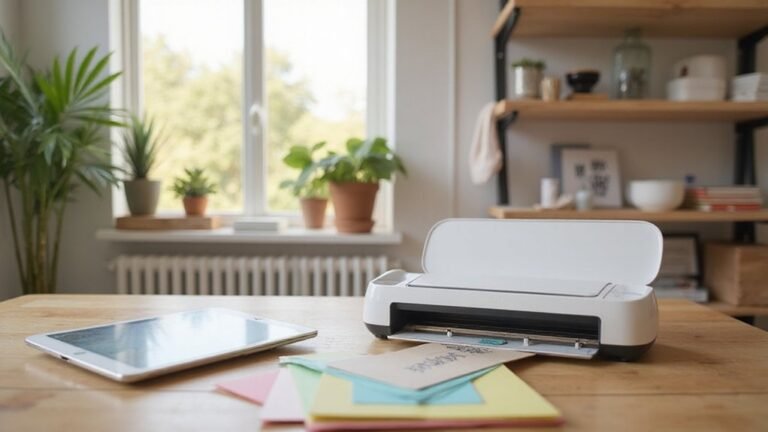
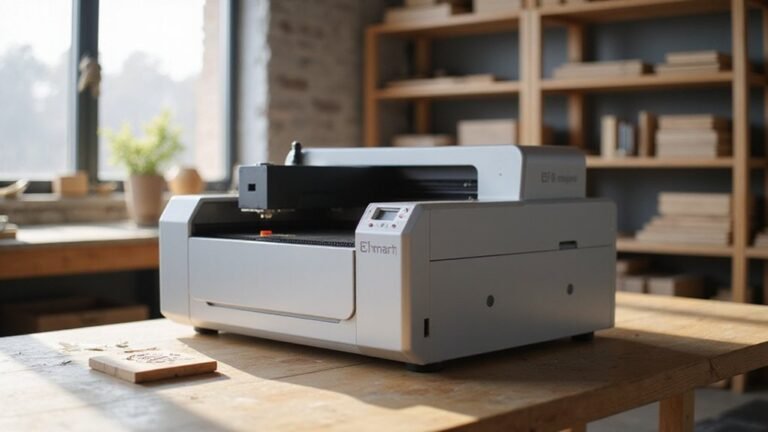
To start sublimation printing, you need specialized equipment. The core component is a dedicated sublimation printer, such as the Sawgrass SG500 or SG1000, or Epson SureColor F170. These printers are designed specifically for sublimation inks, ensuring consistent quality and easier maintenance. Converted Epson EcoTank printers filled with sublimation ink are also an option for a more budget-friendly approach, though they may require additional adjustments.
Additionally, it’s important to select the right 3D printer that can handle sublimation transfer materials if you plan to combine techniques or experiment with unique substrates. It’s also helpful to consider compatible devices that can work seamlessly with sublimation processes to enhance your workflow.
You also need a computer with compatible design software like Adobe Photoshop or Illustrator to create and prepare artwork. It’s important to reverse images within the software to ensure they transfer correctly onto your substrates. Using design software that allows precise control over image editing can significantly improve your transfer results.
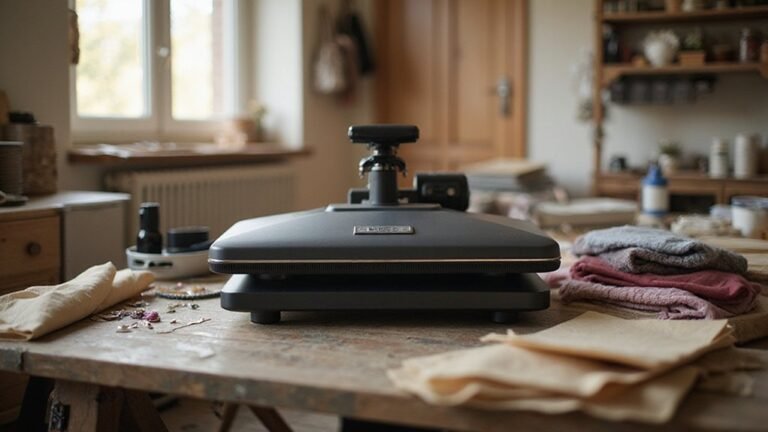
Heat application equipment is essential for transferring the design. Flat heat presses are versatile for printing on T-shirts, bags, and other flat surfaces, while mug presses are designed for cylindrical items like mugs. A stable workspace setup is crucial, so use an even, protected surface and gather supplies such as butcher paper, heat-resistant tape, and heat-resistant gloves for safety. Proper organization and safety precautions are key to achieving high-quality, consistent results in sublimation projects.
What Products Can You Make With Sublimation Ink?
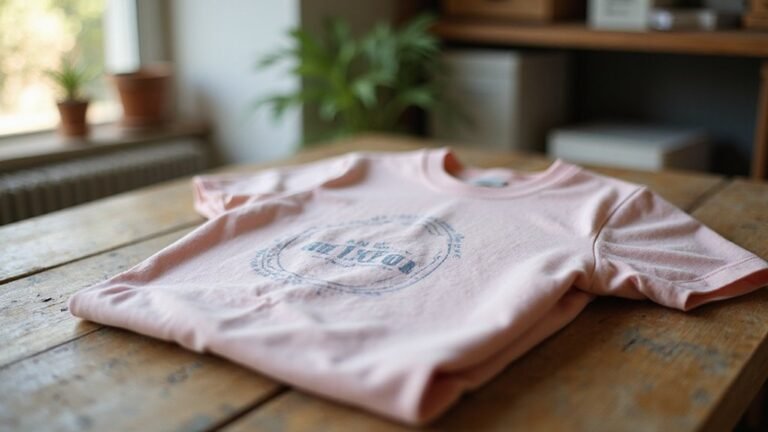
With sublimation ink, you can create a wide range of products across various categories. Personalized apparel like T-shirts, hoodies, socks, and hats made from polyester or polyester-coated fabrics are popular options. These garments allow for vibrant, full-color designs that last through multiple washes. Using the proper materials ensures vibrant and durable images, making your creations stand out. Sublimation is also ideal for drinkware such as mugs, tumblers, and water bottles, which need coating to accept the transfers. You can produce custom home décor items including pillow covers, blankets, wall art, and banners that add a personal touch to any space. Accessories and gifts like keychains, phone cases, mouse pads, and puzzles can also be customized for unique presents. Hard-surface and promotional products, such as aluminum panels, ceramic tiles, coasters, and license plates, benefit from the vivid, durable imprinting that sublimation offers. Choosing the appropriate substrates for sublimation is critical to achieving successful results. Proper substrate selection helps ensure vibrant, long-lasting images and a professional appearance for your finished products. Additionally, understanding 3D printer costs and what affects their prices can help beginners make smarter investment choices for their creative projects. These items are perfect for branding or personal gifts that stand out. Overall, sublimation ink enables you to turn a variety of surfaces into eye-catching, personalized products.
How Long Do Sublimation Prints Last and Are They Wear-Resistant?
Sublimation prints can last from 3 to 5 years or longer on polyester fabrics when properly cared for. The durability depends mainly on the substrate and how it’s used. On polyester, the design becomes part of the fiber, making it resistant to peeling, cracking, and general wear. Hard surfaces such as mugs, tiles, and metal can keep vibrant images intact for decades, with some lasting up to 65 years. Factors affecting lifespan include the quality of the substrate, exposure to UV light and heat, moisture, and handling. Understanding substrate quality is essential, as it significantly influences the longevity of the print. Proper application techniques and vinyl adhesion also play a crucial role in ensuring durability and longevity of sublimation designs on various surfaces. Proper care—like avoiding abrasive cleaners and minimizing direct sunlight—helps preserve color and clarity. Additionally, the type of coating or surface finish can impact how well the sublimation image endures over time. Overall, sublimation provides a highly durable, wear-resistant solution, especially on polyester fabrics and coated surfaces, making it ideal for long-term, fade-resistant applications.
Common Challenges in Sublimation Printing and How to Fix Them
Incorrect settings, handling errors, and incompatible substrates are common causes of issues in sublimation printing. To achieve vibrant colors, always set your printer to the highest quality setting and choose the paper type that matches your project, preferably matte or sublimation-specific paper. Using high-quality, unexpired sublimation ink significantly reduces the chances of faded or dull results. Ensure your design is fully covered during pressing, applying the correct combination of time, temperature, and pressure—typically around 350°F to 400°F for 60 seconds, depending on the substrate.
To prevent ghosting or blurriness, secure the transfer with heat-resistant tape and keep the paper tightly fitted to avoid movement during pressure. Moisture and wrinkling issues can be minimized by pre-pressing blanks for a few seconds and storing your sublimation paper in a dry environment. Additionally, proper handling at each stage can greatly improve your overall results. Always verify that the substrate is compatible with sublimation, which generally includes polyester fabrics and poly-coated surfaces, and use the right press settings to prevent uneven transfers, lines, or poor coverage. proper handling at each stage ensures cleaner, more professional results in your sublimation projects. Additionally, selecting the right equipment and maintaining it regularly can greatly improve the overall quality of your prints. Also, understanding how to control moisture and wrinkles in your sublimation papers can lead to more consistent and better-quality results.
Is Sublimation Ink the Right Choice for Your Printing Needs?
Sublimation ink is an excellent choice if your printing projects involve polyester fabrics or polymer-coated surfaces. It produces vibrant colors and high-definition details, making it suitable for photo-quality, full-color designs. The process dyes the ink into the material, resulting in a smooth finish and a soft hand feel. However, sublimation isn’t effective on untreated cotton, dark-colored garments, or natural fabrics because the dye needs a polyester base or a coated surface to bond properly. The quality of sublimation paper also impacts the vibrancy of colors and the success of transfers. Typically, sublimation works best on light-colored or white polyester-based items. If you need durable, long-lasting prints on compatible substrates, sublimation is a reliable option. But for projects requiring a broader range of materials or untreated surfaces, exploring alternative inks may be more practical. Additionally, understanding the best 3D printers for phone case customization can help achieve detailed designs with sublimation in certain projects. Since sublimation relies on the bonding process, polyester fabrics are essential for effective results.