Wondering how to use heat transfer vinyl without messing up? It might seem tricky at first, but with a few simple steps, you can create professional-looking designs that last.
Once you get the hang of it, you’ll be able to customize clothing and accessories easily. Keep reading to learn the easy process for applying heat transfer vinyl successfully.
What Is Heat Transfer Vinyl and How Does It Work?
Heat transfer vinyl (HTV) is a type of vinyl film that bonds permanently to fabrics and compatible surfaces when heat and pressure are applied. It usually comes in a variety of vibrant colors, making it ideal for creating detailed, eye-catching designs. The material is often polyurethane-based and features an adhesive layer on one side. When heated to the proper temperature, this adhesive activates, melting or fusing with the fibers of your fabric. Applying consistent pressure and the correct timing ensures an even, durable bond that withstands washing and regular wear. Not all HTV types last equally long; quality varies. To achieve the best results, it’s important to understand the specific heat application techniques recommended for your HTV type. An important tool in many art projects related to fabric decoration is the brayer roller, which helps in applying even pressure to ensure proper adhesion. HTV is especially popular for customizing T-shirts, bags, and apparel with long-lasting, colorful patterns. Additionally, using the correct heat setting can significantly impact the durability and appearance of your design.
How to Prepare Your Design and Materials for Perfect Results
To prepare your design and materials for perfect results, start with creating a cut file or importing a ready-made one. Adjust the dimensions and placement to ensure your design fits the substrate precisely. Remember to mirror your design, especially for text and graphics, so it reads correctly after transfer. When selecting colors, aim for high contrast to improve visibility and ensure your design pops. Keep your heat transfer vinyl (HTV) organized by storing it in a cool, dry place—this prevents warping and damage over time. Before applying, confirm that your substrate is flat, clean, and preheated to eliminate moisture and wrinkles. Use a layout plan to maintain consistent placement and avoid margins that could be trimmed off by seams. Proper preparation helps you achieve clean cuts, smooth transfers, and professional-looking results. Additionally, understanding the different types of heat transfer vinyl can help you choose the best option for your project. Recognizing the importance of material compatibility can ensure your design adheres properly and lasts longer during use. Using sublimation sticker paper effectively can also enhance your results, especially for intricate or colorful designs, by providing vibrant and durable images.
Cutting Heat Transfer Vinyl Correctly for a Precise Cut
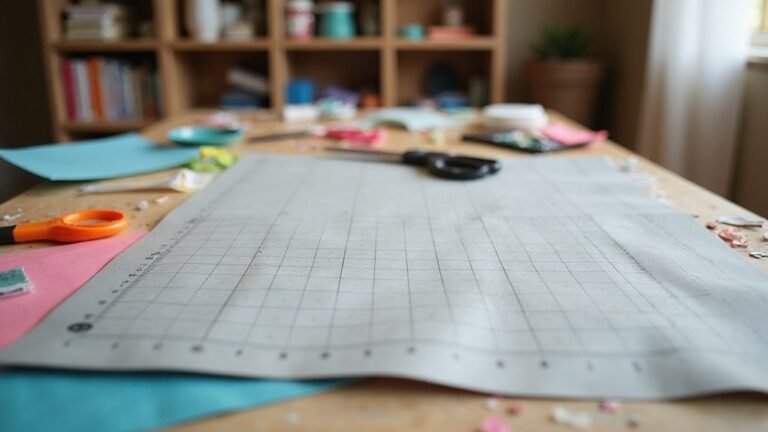
To cut heat transfer vinyl (HTV) precisely, start by identifying the correct side of the material. Usually, you’ll cut with the shiny or carrier side facing down and the dull, adhesive side up. To confirm the orientation, perform a test cut: cut a small corner piece and see if it peels away from the carrier sheet rather than the backing. Use a sharp blade, and adjust the blade settings according to your specific HTV type—this ensures the blade penetrates the vinyl without damaging the carrier sheet. Load the vinyl flat and smooth on the cutting mat, aligning it carefully with the guides for clean, straight edges. Proper orientation, appropriate blade depth, and gentle handling are key to achieving accurate cuts that transfer flawlessly. Always double-check the manufacturer’s instructions to ensure you’re using the correct settings for your specific type of HTV, which can vary depending on the brand and finish. Additionally, understanding the adhesion properties of different vinyls can help prevent issues during cutting and application. Being familiar with the sublimation papers suitable for T-shirt printing can also inform your choices when preparing designs for transfer, helping achieve better results, and knowing the material compatibility can enhance your overall success with heat transfer projects.
Weeding Vinyl: How to Remove Excess and Keep Your Design Sharp
Inspecting your cut lines before weeding is essential for ensuring a clean removal of excess vinyl and maintaining your design’s sharpness. Fully cut lines that are clear and complete help prevent tearing during removal and protect the integrity of your design. If cuts are shallow or incomplete, recut the design before weeding to avoid frustration and preserve your design’s detail. Performing a small test weed in an inner area confirms whether your blade has cut properly and supports a clean finishing result. Performing test cuts on scrap material can also help you adjust your settings for optimal results. When you start weeding, remove the background vinyl first by lifting at a corner for a cleaner separation. Using scissors can help cut away large waste sections efficiently. Weed at an angle and use controlled motions, making sure your tool penetrates the vinyl surface and lifts steadily. This technique reduces stress on delicate areas and preserves fine details. Carefully work into small cavities and intricate parts of your design, and increase visibility with bright lighting or a lightbox if needed. Selecting the right tools and applying proper technique are crucial for achieving sharp, precise results. Additionally, understanding your cutting settings and adjusting them for different vinyl types will make a significant difference in the quality of your weeding process. Properly setting your blade depth ensures clean cuts and easier removal, especially when working with various vinyl thicknesses. Staying aware of the vinyl’s specific quality and properties helps maintain consistent results during weeding.
Positioning and Pre-Press Your Garment for Best Adhesion
Positioning and pre-pressing your garment correctly are crucial for ensuring a secure and durable HTV application. Start by pre-washing and drying your cotton garment without fabric softener to prevent future shrinkage. Lay the garment fully flat to avoid distortion from folds or tension, and pre-press for 2 to 3 seconds to create a smooth, wrinkle-free surface. Use alignment tools or fold the shirt in half to establish a center crease, which helps you position your design precisely. Before pressing, remove any debris with a lint roller and confirm the designated area is flat and free of seams or bunching. Pre-pressing reduces moisture and loose fibers, enhancing adhesion. Additionally, verify that your design is level and positioned at the correct height, ensuring perfect placement before pressing. Understanding transfer tape and its role can help ensure your design adheres smoothly and lasts longer. Being aware of fabric types can also influence your pre-pressing technique, which is essential for optimal results. Using the right heat settings is equally important to achieve the best bond without damaging your garment or the vinyl.
Applying Heat Transfer Vinyl: Tips for Temperature, Pressure, and Timing
Applying heat transfer vinyl correctly involves setting the appropriate temperature, pressure, and time for each project. For standard HTV, a temperature of around 305°F (150°C) and a pressing time of 10 to 15 seconds at medium pressure are typical. It’s important to ensure even pressure by applying firm, consistent force—using a paper test can help verify this. Adjust the temperature based on the fabric: polyester generally requires lower heat, while cotton may need higher temperatures. Specialty films like foil or flock often have specific temperature and time requirements; for example, foil typically needs 285–305°F. Pre-press the fabric for a few seconds to remove moisture, and always cover the vinyl with a protective sheet during pressing. Accurate control of temperature, pressure, and timing is essential for a clean, durable bond and long-lasting results. Following manufacturer guidelines is also crucial to achieve optimal adhesion. Additionally, understanding how to properly prepare the fabric and select the right heat transfer vinyl can greatly impact the final appearance and durability. Knowing the capabilities of sublimation on different fabrics helps crafters make better choices for vibrant, long-lasting designs. Furthermore, understanding the composition of HTV allows crafters to select the appropriate type of vinyl for different projects, ensuring better adhesion and durability.
Peeling and Finishing Your HTV Design for Durability
Peeling and finishing your HTV design correctly are key to ensuring its durability over time. Always follow the manufacturer’s instructions regarding peel type—cold, warm, or hot—since the optimal timing for peeling varies. Peeling too early can cause edges to lift, while peeling too late may tug on the design, leading to color fading and weaker adhesion. To prevent this, test a small edge of the design before removing the entire carrier sheet to check if the bond is secure. After peeling, wait for the design to cool completely, especially for cold-peel products, to maximize adhesive strength. Applying consistent pressure during the peel is important to help ensure all areas release evenly. Inspect the edges carefully; minor lifting can often be fixed with a brief re-press using a protective sheet or Teflon paper. Proper finishing also involves waiting at least 24 hours before handling or washing the garment. Gently handling the finished piece helps prevent premature lifting or damage, ensuring your design stays vibrant and intact for the long haul. Additionally, understanding how to properly dry TPU filament can help you maintain your printing materials, which in turn supports the longevity of your projects. Recognizing the importance of correct heat press pressure can also contribute to durable, professional results.
Troubleshooting Common HTV Application Problems
Proper surface preparation is essential for successful HTV application. Make sure the garment surface is free of dirt, lint, pet hair, and residue, as these can prevent proper adhesion. Cleaning the fabric thoroughly before pressing removes oils, finishes, and particles that interfere with bonding. Washing and drying the garment helps eliminate finishes that might resist the adhesive. Pre-pressing the fabric for 2 to 5 seconds removes moisture and smooths out wrinkles, creating an optimal surface. Using tools like a lint roller or alcohol wipe on coated fabrics can further improve adhesion. Accurate heat, time, and pressure settings are crucial; always follow the manufacturer’s instructions precisely. Performing a pressure test ensures even contact across the design, reducing lift, peeling, or incomplete transfers. Proper surface prep and calibrated equipment are key to a successful HTV application.