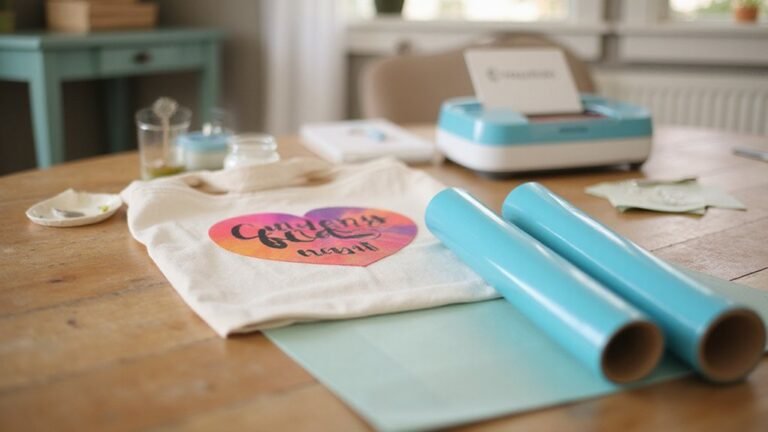
If you’re wondering whether layering heat transfer vinyl (HTV) is possible, the answer is yes—if you know how to do it right. Some types, like Siser EasyWeed, can be layered up to four layers, while others, like glitter vinyl, need extra caution.
Getting the temperature, pressure, and alignment just right makes all the difference.
Keep reading to learn everything you need to layer HTV successfully.
Which Types of HTV Can Be Safely Layered?
Not all heat transfer vinyl (HTV) types can be safely layered. Smooth HTV, such as Siser EasyWeed and ThermoFlex Plus, is the most versatile and can often be layered up to four layers, especially as the base layer. Glitter HTV typically cannot be layered on itself and is best used as a top layer over smooth vinyl. Specialty HTV, like metallic or holographic finishes, usually should only be layered over regular HTV and not on top of each other. Flocked, puff, and textured HTV have specific layering limits that often require manufacturer confirmation before stacking multiple layers. Always consult the manufacturer’s guidelines to ensure compatibility and avoid adhesion or peeling issues. Layering restrictions vary depending on the specific type of HTV used, so verifying with manufacturer instructions is essential for a durable and professional result. Additionally, understanding adhesion properties of each HTV type can help prevent issues like bubbling or peeling over time. It’s also important to consider heat settings and proper pressing techniques to ensure each layer adheres properly without damaging the underlying vinyl. Proper application techniques can greatly improve the longevity and appearance of layered designs.
How to Layer HTV Step-by-Step?
Layering HTV requires careful planning and precise execution to ensure a professional and durable finish. Start by designing your project in software, and separate each color or shape into individual layers to manage complexity and facilitate smooth blending. The base layer should be a full-background shape, making it easier to align subsequent layers. Mirror each layer before cutting to ensure correct placement once applied.
Cut each layer on its own carrier sheet, then weed away excess vinyl to prevent sticking problems during pressing. It’s helpful to pre-fit the layers off the garment to check their placement and make adjustments before final application. Mark the garment’s center and pre-press to remove moisture, which promotes better adhesion and reduces future peeling. Proper layer management and alignment are essential for a polished, professional appearance.
If needed, use heat-resistant tape to hold layers in place during pressing. Tack down the bottom layers with brief presses—typically 3 to 5 seconds at the recommended temperature—and then add each new layer, aligning carefully to maintain proper placement. When all layers are positioned, press the entire design with an even, final press to secure all layers together. This ensures a clean, intricate, and lasting design suitable for everyday wear.
What Are the Best Press Times and Temperatures for Layered HTV?
The ideal press temperature for layered HTV is generally between 300 and 320°F, with 305°F being a common target. This range ensures proper adhesion without damaging the vinyl or fabric. Precise temperature control is crucial, especially when working with specialty vinyls that require tighter regulation to prevent issues like melting or poor bonding.
For the base layer, tack press times of 5 to 7 seconds at medium pressure are recommended. This initial step helps hold the vinyl in place without fully bonding it, making it easier to add subsequent layers. When pressing additional layers, about 5 seconds at similar temperatures with lighter, controlled pressure is ideal. This prevents reactivating or disturbing the lower layers. Understanding layering techniques can also help you avoid common challenges and achieve a seamless appearance.
The final full-press should be around 10 to 20 seconds at medium to firm pressure. This ensures a durable, long-lasting bond without overexposing the vinyl to heat. Additionally, coordinating pressure application with the temperature ensures the best adhesive results. Remember, maintaining consistent pressure and accurate temperature settings are key, especially with specialty vinyls that demand careful handling to achieve clean, professional results. Additionally, understanding the layering process can help you avoid common challenges and produce a seamless, professional finish.
How Do I Properly Handle Carrier and Cover Sheets When Layering?
Handling carrier and cover sheets correctly is essential for a smooth and professional layered HTV design. For carrier sheets, keep the sheet attached until the layer is lightly tacked, usually with a brief press of 2 to 5 seconds. Carefully peel the carrier sheet or warm it, following the vinyl brand’s instructions, to prevent shifting or shrinking of the design. Avoid overlapping carrier sheets, as this can cause uneven pressure and thick spots. Instead, trim and organize the sheets to support only their designated pieces. When adding cover sheets, place a barrier like Teflon or parchment paper over the previous layer before pressing the next. This extra step helps protect the design from melting, scorching, or distortion, ensuring a clean, professional finish throughout your layered HTV project. Using a consistent pressure and temperature during each press also helps achieve uniform adhesion and a flawless final look.
How Can I Achieve Perfect Alignment in Multi-Layer HTV Projects?
To achieve perfect alignment in multi-layer HTV projects, start by incorporating registration marks—small boxes or crosshairs placed on each layer for precise positioning. Design software can duplicate layers and automatically add matching registration boxes, ensuring consistent placement across all colors and textures. Before pressing, stack all layers on backing sheets, then position this entire stack onto your garment, using the base layer as the main reference point. Secure the layers with heat-resistant tape and use rulers to prevent shifting during pressing. Press each layer briefly at medium pressure, following peel instructions closely to avoid misalignment. Testing on scrap fabric first helps verify proper placement and prevents errors during your final project. Properly understanding the layering process is essential for achieving professional results. Engagement and community participation are also crucial, as sharing your process and seeking feedback can improve accuracy and help troubleshoot alignment issues. Additionally, using suitable heat transfer materials enhances the overall quality and durability of your layered designs.
What Are Common Mistakes When Layering HTV and How to Avoid Them?
Layering HTV can seem straightforward, but there are common mistakes that can compromise your finished design. One major error is using incompatible HTV types. Not all vinyls are suitable for layering—glitter or flock HTV, for example, can reduce adhesion or cause shrinkage if layered improperly. Always check the manufacturer’s recommendations for layering specific vinyl types. Ensuring compatibility is crucial for a durable and professional-looking result. Additionally, understanding the material properties of different HTV can help you choose the right vinyl for layered designs. Recognizing adhesion qualities of various vinyls helps prevent lifting or peeling over time. Overheating the lower layers is another mistake. Applying full pressure repeatedly during pressing can distort the vinyl or weaken its adhesion. To avoid this, follow the recommended pressing times and temperatures for each HTV type and limit presses to prevent heat damage. Applying uneven or excessive pressure can also lead to poor bonding. Use a consistent, moderate amount of pressure during each press. Insufficient pressure, on the other hand, can cause peeling or lifting, especially with thicker or layered designs. A heat press with adjustable pressure settings will give you better control. Skipping proper material preparation is a common oversight. Pre-washing and pre-pressing your fabric removes moisture and wrinkles that could interfere with adhesion. Cleaning your surface and ensuring it’s dry reduces the risk of bubbles or lifting later on. Finally, neglecting finishing steps can cause durability issues. A final quick press after assembling the layers helps lock everything in place. Waiting at least 24 hours before washing the item also ensures the adhesive fully cures, preventing peeling or lifting over time. Avoid these pitfalls to create layered HTV designs that are both durable and professional-looking.
How Do I Fix Misaligned or Peeling Layers?
To fix misaligned or peeling layers in your HTV design, act quickly and carefully. For misaligned layers, gently lift the loose part with tweezers or a weeding tool if the adhesion isn’t fully set. Reposition the layer precisely, using registration marks or visual guides to ensure proper alignment. When peeling occurs, target the affected area for localized repair. Repress only those sections, making sure to use the manufacturer’s recommended temperature and pressure. Press from the back side of the fabric and let the design cool completely before testing adhesion. Avoid reheating continuously, as this can cause further damage. Always verify proper fabric and cure times to enhance durability and reduce the risk of future misalignment or peeling. Proper heat application techniques can also help prevent these issues from occurring. Additionally, understanding can heat tape get wet is important, as moisture exposure can impact its performance and adhesion. Being aware of how moisture affects heat tape performance can save you time and effort during repairs.
Final Tips for Securing and Finishing Your Layered HTV Design
To ensure your layered HTV design stays secure and maintains a professional appearance, focus on finishing techniques that strengthen the bonds between layers. Start with proper surface preparation by thoroughly cleaning the material to remove dust, oils, or debris. Confirm that each vinyl layer is compatible—review manufacturer instructions and avoid stacking incompatible materials, which can cause peeling or bubbling. Proper surface prep is essential for optimal adhesion and longevity of your design. Before the final press, protect your design with a Teflon sheet or parchment paper to prevent sticking and surface damage. When pressing, apply the recommended temperature and pressure for the entire design to ensure thorough bonding. Once the layers are tacked in place, perform a full final press to fuse everything together, which helps prevent edges from lifting. Secure any loose edges with heat-resistant tape to hold everything flat as it cools. Allow the design to cool completely or follow the manufacturer’s peel instructions to avoid lifting or distortion. Using consistent heat and pressure during pressing can significantly enhance the durability and adhesion of your layered HTV. Additionally, using appropriate transfer methods can further improve the overall durability of your layered design. For optimal results, always refer to manufacturer instructions to adapt your technique based on specific materials being used.