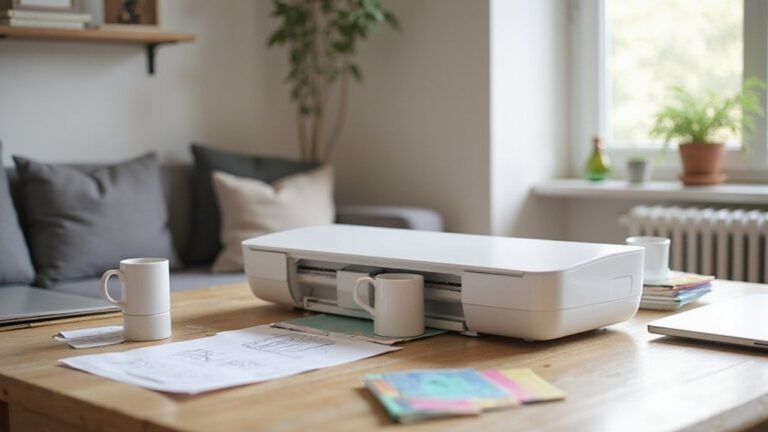
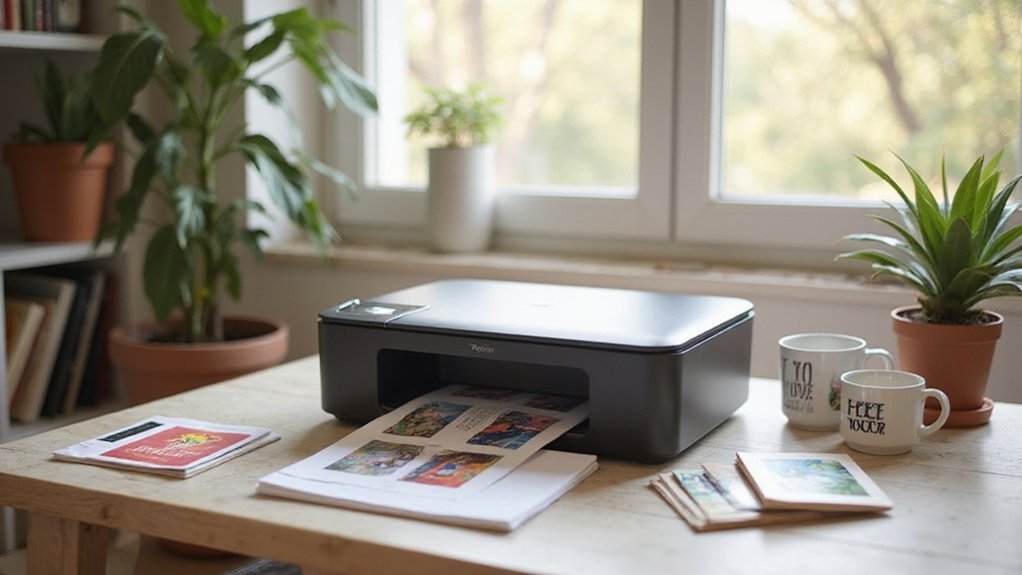
If you’re wondering how to produce vibrant, long-lasting images on surfaces like fabrics or ceramics, a sublimation printer might be just what you need. It uses heat to turn special inks into gas, embedding designs directly into the material for durable results.
Keep reading to learn how this unique process works and what it takes to get started.
What Is Sublimation Printing and How Does It Work?
Sublimation printing works by turning dye into a gas through a process called sublimation, which allows the dye to embed directly into the material. This occurs when heat, pressure, and time are applied to transfer the dye from a specially printed sheet onto the item. The typical temperature range for sublimation is between 350°F and 400°F, depending on the material. Proper heat settings are crucial to ensure the dye sublimates correctly without damaging or warping the surface.
The dye bonds within the surface of the material because it turns into a gas that permeates the fabric or coating. This results in images with incredibly vibrant colors and high detail. Because the dye merges with the material itself, the print becomes highly resistant to fading, cracking, and peeling over time. Sublimation works best on polyester fabrics and coated surfaces, where the dye can fully integrate and produce a smooth, durable image. Additionally, understanding the sublimation process is essential for achieving consistent, high-quality results. A thorough knowledge of material compatibility can help optimize outcomes and prevent transfer issues during the sublimation process, ensuring a high-quality final product.
What Equipment Do You Need for Sublimation Printing?
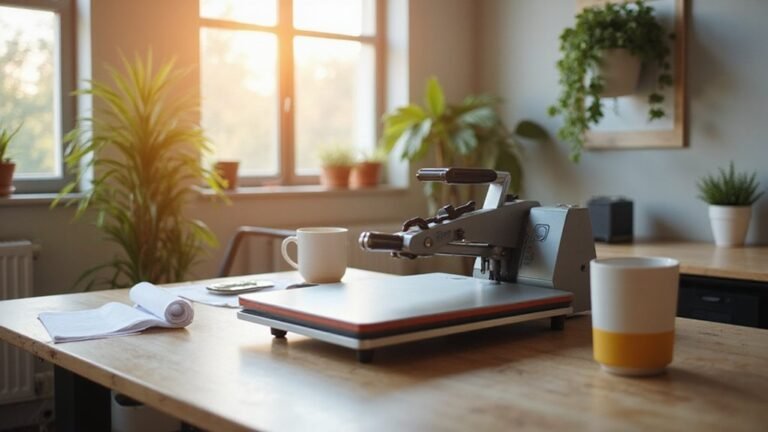
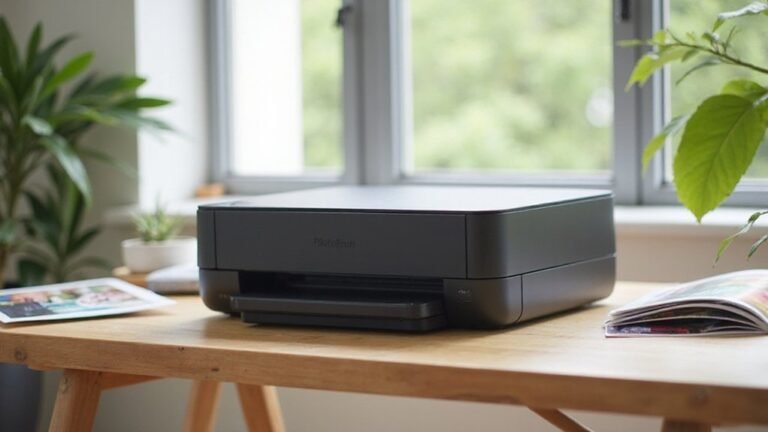
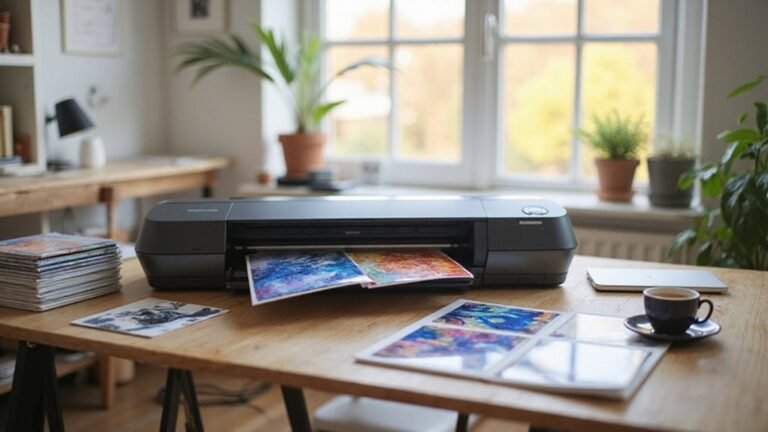
To start sublimation printing, you need specialized equipment, with a sublimation printer being the key device. Purpose-built models like the Sawgrass SG500 or Epson SureColor F170 are designed explicitly for sublimation. Converted inkjet printers, such as Epson EcoTank models, offer more budget-friendly options but may require modification. Using sublimation ink is essential; regular inks will not produce proper transfers and can ruin your results. Reliable printers are critical for achieving high-quality images and consistency in your projects. You will also need sublimation paper, which holds and releases your design during heat transfer. The quality of this paper directly affects the clarity, vibrancy, and consistency of your transfers. A heat press is crucial for applying controlled heat, pressure, and time to activate the sublimation process. Whether flat or curved, a heat press ensures even heat distribution and proper adhesion. Design software is necessary to prepare your artwork, which often requires mirroring or flipping images for correct reading after pressing. Proper setup of all equipment, including blanks—such as mugs, t-shirts, or tiles—and accessories like heat-resistant tape and protective gloves, is vital for successful sublimation printing. These tools help ensure safety, precision, and quality in your final output.
Where Can You Use Sublimation Printing? : Popular Applications
Sublimation printing can be used on a wide range of products across multiple industries. In the fashion world, it is popular for printing on polyester garments such as T-shirts, hoodies, jerseys, and socks. This allows for full-color graphics and vibrant team uniforms that are durable and resist fading over time. The technique is especially useful for creating all-over prints and intricate artwork that are difficult to achieve with other printing methods. Additionally, sublimation printers specialize in resin-based technology, which allows for high-resolution and detailed images to be transferred onto various surfaces. The sublimation transfer process involves a heat press, which is essential for ensuring even and professional results.
For home décor, sublimation is ideal for producing personalized items like coasters, photo frames, and wall art. It creates sharp, vivid images on ceramic, glass, or metal surfaces, making each piece stand out. Additionally, sublimation works well for custom decorative pieces and room accents, enabling you to design unique, long-lasting items that are both functional and aesthetically pleasing. Its ability to capture fine details and maintain color vibrancy makes sublimation a versatile choice for everyday home and gift items.
What Are the Best Settings and Tips for Sublimation Transfers?
To get the best results from sublimation transfers, focus on applying the correct printer settings. Start by selecting premium sublimation paper and setting your printer to high-quality print mode. Use Adobe RGB color mode to ensure a broader color spectrum, which helps produce vibrant, accurate images. Assign ICC profiles correctly to prevent double color correction, and always set the mirror image option for transfers to avoid reversed designs.
Temperature is crucial for successful sublimation transfers. Typically, aim for a temperature range between 350°F and 400°F. Adjust within this range based on your substrate; for example, lower temperatures may work better for fabrics, while higher temperatures are often necessary for hard surfaces like ceramics or metals.
Transfer time varies depending on the material. For fabrics, a shorter press time of about 30 to 60 seconds is sufficient, while hard surfaces such as mugs or glass may require 120 to 180 seconds. Be consistent with pressure: medium pressure works well for fabrics, ensuring ink transfers evenly without damaging the material, whereas firm pressure is preferable for rigid surfaces to achieve sharp results.
Pre-press your fabric or substrate briefly to remove moisture and wrinkles, which helps improve transfer quality. Always ensure the surface is clean and free of dust or oils before pressing. Conduct test prints on scrap materials to fine-tune your settings, and allow your transfer to cool completely before handling, as this helps set the colors and prevent smudging or transfer. Additionally, understanding the differences between filament types like ABS vs PETG can help if you’re considering post-processing or combining techniques in your projects.
Following these guidelines and paying attention to detail will significantly improve your sublimation transfer outcome.
What Are the Advantages and Limitations of Sublimation Printing?
Sublimation printing has several advantages, but it also comes with limitations. It produces vibrant, high-definition colors and supports edge-to-edge, all-over printing, making it ideal for full-surface designs. The dyes bond directly into the material, resulting in durable, long-lasting prints that resist cracking, peeling, and fading over time. This process is particularly cost-effective for small runs and on-demand projects because the setup is relatively simple and inexpensive.
However, sublimation requires specialized inks, transfer paper, and equipment, which can add to initial costs. Its color accuracy is best on white or light-colored surfaces, as it cannot print white ink and struggles on dark fabrics or natural fibers. The technique also requires surfaces to be polyester or specially coated for the dyes to bond properly, limiting fabric choices. Additional considerations include surface preparation, potential clogging due to equipment maintenance, and higher consumable costs, which may impact overall affordability for larger production runs. Understanding the subtle nuances of dye bonding can help optimize results. Moreover, knowing the limitations of color versatility can help you select the best printing method for your specific project needs. Overall, sublimation is best suited for polyester items and photographic designs where vivid color and permanence are key priorities. Comparing sublimation to other printing techniques can help determine the best method based on project needs.