If you’ve ever wondered how vibrant, durable prints are made on fabrics and hard surfaces, dye sublimation might be the answer. This process uses heat to turn dye into gas, which then bonds with specially coated materials, resulting in high-quality images.
In the sections ahead, you’ll find everything you need to know about how dye sublimation printers work and what makes them a popular choice for customization.
What Is a Dye Sublimation Printer?
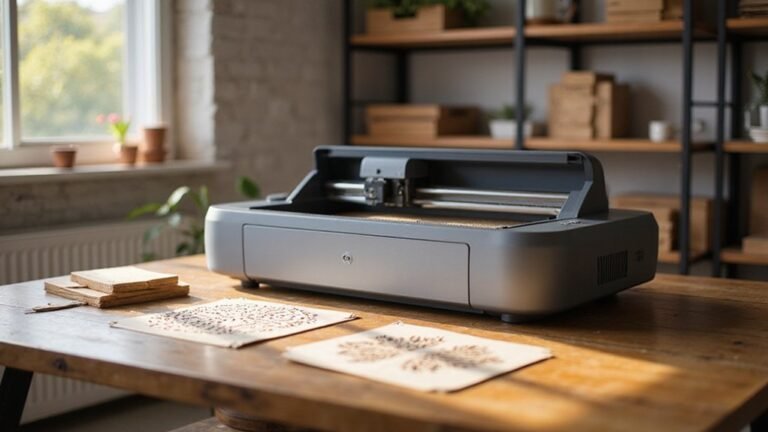
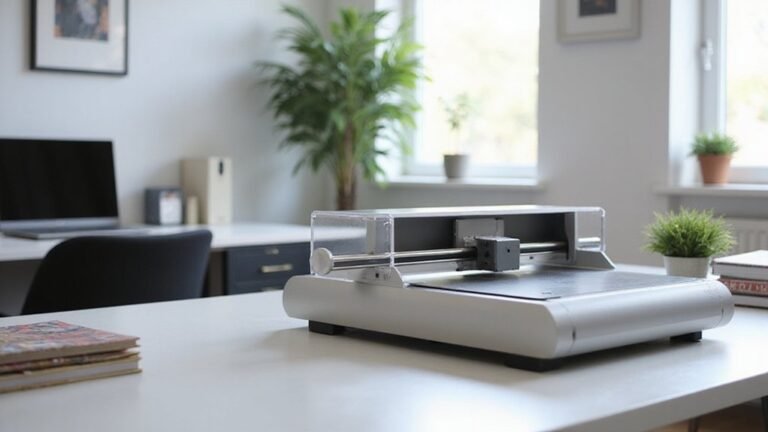
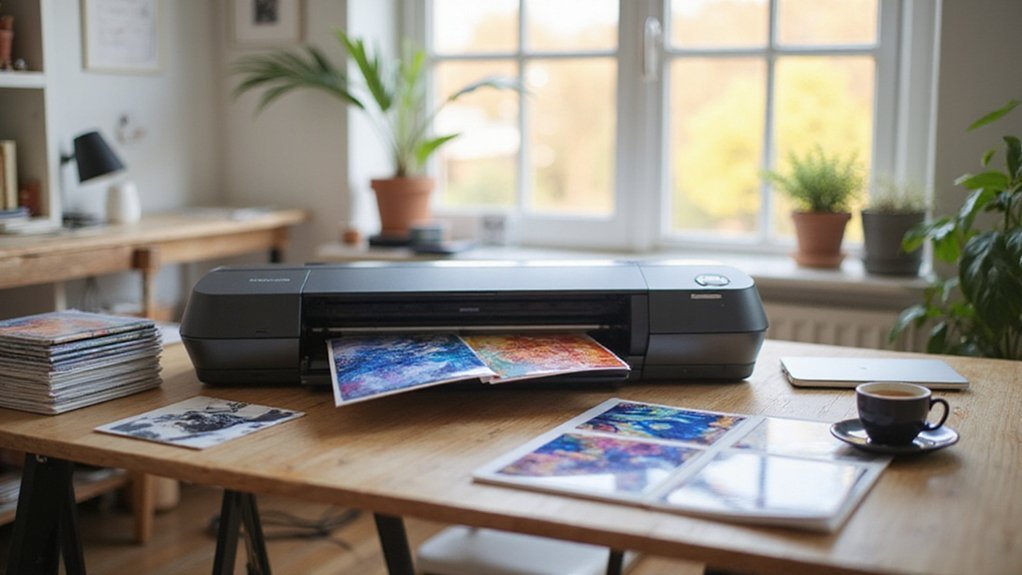
A dye sublimation printer is a device that uses heat to transfer dye onto a specially coated surface. It works by heating a dye ribbon or cartridge that contains cyan, magenta, yellow, and a clear protective layer. The heat activates the dye, causing it to vaporize and bond directly with materials like polyester or polymer-coated substrates. This process results in vibrant, high-quality images with excellent color accuracy. Sublimation paper is a crucial component in ensuring that the dye transfers smoothly and produces precise images. The process involves precise temperature control to ensure consistent color transfer. Dye sublimation printing is ideal for producing soft signage, custom apparel, photo prints, and promotional items. The technique creates smooth color transitions and continuous-tone images without visible dots, unlike traditional inkjet printing. The process is relatively quick, making it suitable for professional environments that need high-quality results within a short timeframe. Its durability and ability to produce long-lasting, sharp images make it a popular choice for personalized and commercial printing applications. Moreover, the color accuracy and vividness achieved through this method are unmatched by many other printing techniques.
How Does Dye Sublimation Printing Work?
Dye sublimation printing works by using heat and pressure to transfer dye from specially coated paper onto a surface. During the process, sublimation ink changes from a solid directly into a gas without passing through a liquid state. This gaseous dye then penetrates the material’s surface under pressure, resulting in vibrant, evenly saturated colors. The temperature is carefully controlled, typically between 350°F and 450°F, to ensure complete dye transfer. As the process concludes and the material cools, the dye solidifies inside the surface, creating a durable and integrated image. This embedded dye produces a smooth, long-lasting finish that resists cracking, peeling, and fading, resulting in high-resolution and rich colors. The dye bonds at a molecular level with polyester surfaces, making the image permanently embedded and highly resistant to wear. Proper temperature control is essential to achieve these vibrant and durable results. Additionally, understanding the materials suitable for sublimation is crucial for optimal printing quality and durability. Recognizing appropriate substrate preparation can also significantly impact the final outcome of the sublimation process.
What Materials Are Compatible With Dye Sublimation?
Polyester fabrics are the most compatible materials for dye sublimation due to their high absorbency and color retention. Pure polyester and blends containing at least 65% polyester are ideal, with popular choices including polyester jersey, satin, and technical fabrics like Taslan. These textiles efficiently absorb inks, resulting in vibrant, long-lasting images. Additionally, iron-on permanent vinyl can sometimes be used with dye sublimation projects, provided it is applied correctly and compatible with heat processes. Hard surfaces coated with polymers, such as aluminum, mugs, and phone cases, are also suitable because the dye bonds to the coating rather than the material itself. Blended textiles like nylon, spandex, and rayon-polyester can sometimes work if they have been properly coated with the necessary polymer layers. Specialty coated textiles, outdoor fabrics with water-resistant coatings, and satin variants are compatible as well. For optimal results, understanding the polymer coatings applied to different materials can help ensure dye sublimation adheres correctly and produces durable images. A thorough knowledge of surface coatings enhances the likelihood of achieving high-quality, long-lasting prints. Materials like cotton, uncoated wood, or plain metals are not compatible unless they feature a specific polymer coating designed for dye sublimation. Without a proper coating, the dye cannot bond effectively, leading to poor image quality or durability issues.
What Equipment Do You Need for Dye Sublimation?
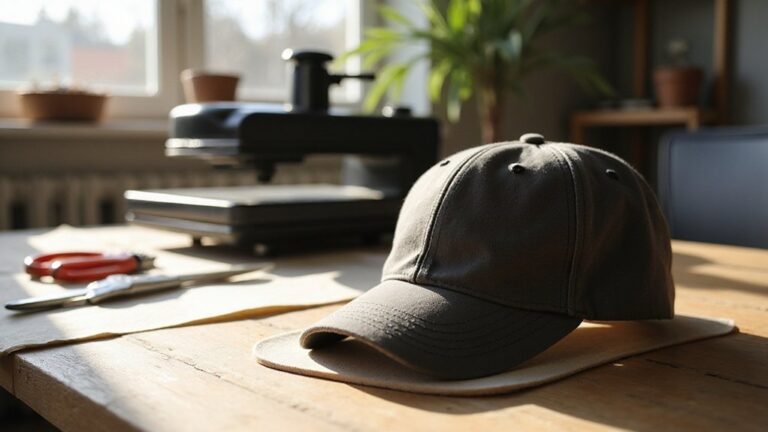
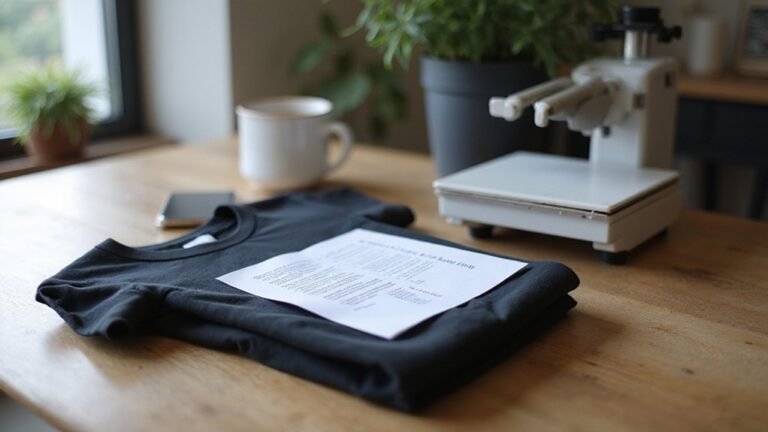
Getting started with dye sublimation requires specific equipment to ensure high-quality results and efficiency. First, you need a dedicated sublimation printer, such as the Sawgrass SG-500 or Epson SureColor F170, which uses sublimation inks exclusively. This guarantees consistent color accuracy and prevents ink mixing issues that can compromise your output. Transfer media, like sublimation transfer paper, is indispensable for holding and transferring the printed image during heat pressing. A heat press is essential as well; flat presses are suitable for items like T-shirts, while Teflon sheets help protect surfaces from scorching. Use heat-resistant tape to secure transfers in place during pressing. Supporting tools like lint rollers help clean surfaces, gloves protect your hands from high heat, and protective paper shields your workspace and prevents ink transfers to unintended areas. Finally, design software allows you to create, edit, and manage artwork efficiently, streamlining your workflow and ensuring your designs come out just right.
What Are the Benefits and Drawbacks of Dye Sublimation Printing?
Dye sublimation printing offers several key benefits. It produces vibrant, full-color images with smooth gradients and fine details, making it excellent for photo-quality graphics and complex designs. The process is eco-friendly because it embeds dyes into the substrate, reducing waste and minimizing environmental impact. This dye embedment ensures the prints are water-resistant, long-lasting, and resistant to cracking, peeling, or fading over time. You’ll notice a smooth hand feel on textiles and high-quality finishes on hard surfaces, enhancing the overall look and durability of your products. Additionally, dye sublimation printing typically requires a specialized printing process that ensures the dye bonds properly with compatible materials. Understanding the material restrictions is crucial for achieving the best results in dye sublimation, as only specific surfaces are suitable for this method.
Furthermore, proper temperature and pressure settings are essential during the transfer to ensure vibrant and durable results, which is a key aspect of the sublimation process.
How Durable Are Dye Sublimation Prints?
Dye sublimation prints can last between 60 to 100 years indoors when applied to durable substrates like metal and ceramic. Their longevity stems from the dye bonding with the substrate’s surface, which prevents cracking, peeling, or fading over time. Metal prints, in particular, are known for excellent color retention because of protective coatings that shield against environmental factors. When displayed indoors and protected from direct sunlight, sublimation prints on hard surfaces can maintain their vibrant appearance for decades. In contrast, fabrics typically preserve images for only 3 to 6 years, as dyes tend to degrade faster on textiles. Proper environmental controls, such as shielding from UV light, significantly extend the lifespan of sublimation prints on any substrate. Additionally, using proper sealing techniques can help further protect prints and extend their durability. The choice of substrate material also plays a crucial role in the overall longevity of dye sublimation prints. Moreover, selecting high-quality dye-sublimation inks ensures better color stability and durability over time.
Is Dye Sublimation Right for Your Business or Hobby?
Dye sublimation is a suitable printing method if your focus is on producing vibrant, full-color designs efficiently for specific materials. It works best on polyester fabrics and coated surfaces, making it ideal for items like apparel, mugs, and promotional products with detailed, photorealistic graphics. This method suits small operations due to its straightforward workflow: create, print, and press, resulting in a quick turnaround. It’s especially beneficial for niches centered on customization, such as pet accessories, sportswear, or corporate gifts, where personalized products are in high demand. Cleaning acrylic sheets is important if you plan to incorporate non-porous surfaces into your line-up, as maintaining their clarity can be crucial for professional finishes. Proper surface preparation is essential for achieving optimal transfer quality and durability. Additionally, dye sublimation produces designs with no texture, offering a seamless look that enhances the overall quality of the finished products. Understanding the material limitations involved with dye sublimation can help you better tailor your product offerings to your target customers.
What Next? Tips for Starting With Dye Sublimation
To get started with dye sublimation, focus on acquiring essential equipment first. Invest in a sublimation-capable printer designed to handle sublimation inks, and ensure you use the correct sublimation ink to achieve vibrant, durable colors. Pair this with quality sublimation paper to guarantee sharp ink transfer onto your substrates. Select a heat press that fits your main product—flat presses work well for apparel, while cylindrical presses are ideal for mugs. Create a dedicated workspace that comfortably houses your printer, heat press, blanks, and finished items to keep your workflow smooth and organized. Proper ventilation is also important to ensure safe operation and maintain a clean workspace. Choosing the right substrates is crucial; opt for polyester fabrics or coated hard surfaces that are specifically designed for sublimation printing. These materials absorb the ink properly, resulting in high-quality images. Developing an understanding of sublimation-specific materials will help you choose the most suitable substrates for your projects. Establishing a sublimation workflow will improve your efficiency and consistency. Develop a consistent process: create mirrored designs, print on sublimation paper, and attach transfers securely with heat-resistant tape. Carefully control your heat press temperature, time, and pressure for consistent results. Choosing the right substrates is essential for achieving professional-quality prints and avoiding issues like color fading or incomplete transfer. As you refine your method and increase production, adjust your pricing to reflect the quality and efficiency of your process, ensuring a sustainable business model.