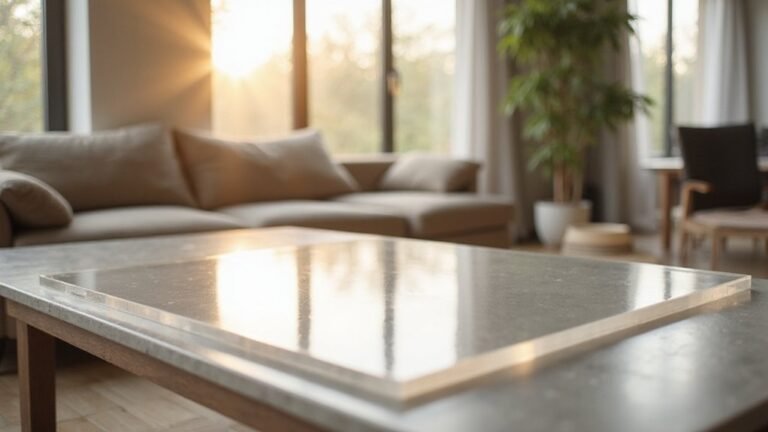

Looking to buy acrylic sheets but unsure where to find the right ones? The biggest decision often comes down to whether you want standard sizes from local hardware stores or custom cuts from specialized suppliers.
Choosing the right type and thickness is key to making sure your project is durable and looks good.
Keep reading to find out how to select and purchase the best acrylic sheets for your needs.
Introduction: Why Choosing the Right Acrylic Sheet Matters
Choosing the right acrylic sheet is crucial because it directly impacts your project’s environmental footprint, durability, and visual appeal. Different types, such as cast and extruded acrylic, have distinct qualities that cater to various needs. Cast acrylic is preferred for laser cutting and engraving because it produces cleaner, more precise edges. Extruded acrylic, on the other hand, offers cost advantages and consistent thickness, which is ideal for projects requiring accurate fits and repeated fabrication. Aesthetic options like frosted, mirror, or specialty finishes expand your design possibilities, allowing for creative expression. Using an unsuitable acrylic type can make cutting, bonding, and finishing more difficult, wasting both time and resources. Considering acrylic sheet types can help you choose the right material for your project’s specific requirements. Additionally, understanding the manufacturing process can influence your choice by highlighting the quality and consistency of the sheets. Selecting sheets with proper quality control ensures that the material will perform reliably during your project and reduces the risk of defects. Seeking guidance from suppliers is especially helpful for beginners, ensuring you select a material that balances environmental considerations with your desired look. Making an informed choice means your project will meet your expectations and deliver lasting results.
How to Identify Your Needs for Acrylic Sheets
To identify your needs for acrylic sheets, start by determining the primary purpose of the sheet. For example, if you need it for display or signage, clarity and color consistency are crucial. If it’s for glazing or machine guarding, durability and impact resistance become more important. Measure the exact dimensions required, noting whether standard sizes suffice or if custom cuts are necessary to fit your project precisely.
Next, evaluate the environment where the sheet will be used. Indoor applications may demand less weather resistance, while outdoor or UV exposure requires UV-resistant options. For chemically aggressive environments, a chemically resistant acrylic might be necessary. Consider the load or stress the acrylic will face—larger or stress-heavy structures often need thicker sheets.
Visual and aesthetic factors also matter. Decide whether you need high optical clarity, uniform diffusion, or specific colors or opacities. Surface finish options—such as matte or gloss—impact both appearance and performance, especially in settings where glare reduction or a particular texture is desired. Additionally, understanding the properties of acrylic materials can help guide the selection of sheets that best fit your needs. Finally, determine if additional properties like scratch resistance or UV protection are needed to ensure your acrylic sheet remains functional and attractive over time.
Where to Buy Acrylic Sheets at Major Retailers
Major retail stores like Home Depot, Lowe’s, and Ace Hardware are accessible options when you’re looking to buy acrylic sheets for standard projects. These stores typically carry a variety of acrylic color options, making it easy to match your aesthetic needs. They stock sheets in common sizes such as 24 inches by 48 inches and in thicknesses ranging from 1/8 inch to 1/4 inch. This range is suitable for most DIY projects and installations. Brayer rollers are also useful tools in acrylic art projects, helping create texture and smooth surfaces. Availability varies by store and region, so it’s a good idea to check online before heading out. While these retailers offer convenient access and immediate pick-up, they generally focus on small, standard orders rather than large-volume purchases or highly specialized specifications. Their selection is ideal for straightforward projects where quick, affordable options are desired. Additionally, understanding the acrylic sheet qualities can help you make better purchasing decisions based on your specific project needs. Being aware of the material properties can also guide you toward choosing the best type of acrylic for durability and clarity.
Custom Acrylic Sheets: Your Options for Custom Shapes and Sizes
Many suppliers, such as Acme Plastics and TAP Plastics, offer custom-cut acrylic sheets that are tailored to your specific dimensions. You can start with standard sheet stock and request cuts to any size you need, whether it’s a large panel or a niche dimension. This service is ideal for projects requiring precise fits or unusual sizes that aren’t part of typical stock offerings. Some vendors make “cut-to-size” or custom sizing their core service, ensuring you get exactly what you want. Additionally, many suppliers can provide custom color options to match your design needs, including special finishes or tints. In addition to size, you can request custom artistic designs, logos, or distinctive shapes through laser cutting, which is particularly useful for achieving highly detailed or intricate patterns. This process allows for intricate cutouts or geometric forms, perfect for signage, decorative panels, or branding elements. To achieve precise shapes, you typically need to supply a digital file or template, like a CAD drawing. Thickness options are also customizable, generally within a ±10% tolerance. Make sure to check the tolerance for your project to ensure a snug fit or structural integrity. Custom acrylic sheets are available in clear, colored, or opaque versions, often with specialized coatings to improve durability or aesthetic qualities, such as UV resistance or anti-glare finishes. For added durability, consider specialized coatings designed to extend the lifespan of your custom acrylic sheets in various environments.
Comparing Online Marketplaces and Fabrication Shops
Online marketplaces and fabrication shops each have distinct advantages when sourcing acrylic sheets, but knowing which option best fits your needs requires consideration. Marketplaces excel in convenience, offering low minimum order quantities and quick comparison shopping for small, standard-size sheets. They are ideal for exploring prices, decorative finishes, or hobby-grade acrylic, especially if your project doesn’t demand precision. However, quality can vary widely, and details like whether the acrylic is cast or extruded, or specific tolerances, are often unclear or not disclosed. Shipping costs and packaging quality further influence your overall expense and may affect the material’s durability upon arrival. Recognizing the importance of material properties like clarity, color, and durability can also help you select the best source for acrylic sheets. Additionally, understanding fabrication methods can inform your choice between suppliers for more specific project requirements. Being aware of quality indicators such as consistent thickness and edge smoothness can further ensure you receive suitable material for your project.
How to Price Acrylic Sheets and Find Bulk Discounts
Pricing your acrylic sheets depends on size, thickness, and finish. Small sheets, such as 12 by 12 inches, typically cost between $10 and $20, while larger sheets measuring 4 by 8 feet can range from $50 to $208. Thickness impacts cost too; 8mm or 10mm acrylic tends to be more expensive due to increased durability needs. Specialty finishes or colors can add 15 to 40 percent to the base price. For bulk discounts, negotiating with suppliers or seeking wholesale pricing can significantly reduce costs, often lowering per-unit prices from around $2.50 to $20 per square meter. Always include shipping and handling costs when comparing options to ensure you’re getting the best overall deal. Effective negotiation and volume purchases are crucial for maximizing your budget when buying in bulk. Additionally, understanding how to properly store and handle acrylic sheets can help preserve their quality and longevity over time.
Tips for Safe Delivery and Protective Packaging
To guarantee your acrylic sheets arrive unscathed, focus on proper packaging techniques and handling procedures. Use protective materials like bubble wrap, foam, cardboard, or wood reinforcements to cushion the sheets and absorb impact during transit. Keeping the surface covered with the protective film reduces scratches and surface damage. Package the sheets in a rigid outer container such as a sturdy box to prevent bending and edge chips. Secure the sheets with straps or bands to prevent shifting within the package. When handling large sheets, lift vertically with both hands or use suction lifters to avoid cracking. Always support the sheets from both sides to distribute weight evenly. Store sheets vertically in racks or with side supports, and avoid stacking them excessively or applying pressure that could cause deformation. Following these steps helps ensure safe delivery and preserves the surface quality of your acrylic sheets.
Getting Expert Advice on Cutting, Bonding, and Finishing Acrylic Sheets
Proper cutting, bonding, and finishing acrylic sheets are essential for achieving a professional look and ensuring safety. When cutting thinner sheets, scoring and snapping are quick and effective, but for more complex shapes or thicker material, a fine-tooth power saw, preferably carbide-tipped with a high teeth count, is best. Laser cutting provides precise, clean edges if you have accurate digital files. To prevent flexing and chipping, always support and clamp the sheet firmly during cutting. Masking tape along the cut line can help reduce chips and splintering.
Finishing edges involves coarse sanding first to smooth out large imperfections, followed by finer grit to refine the surface. Using deburring tools can remove sharp or uneven edges for safety and a neat appearance. Always prioritize safety by wearing eye protection, gloves, and working in a well-ventilated area, especially during cutting and sanding processes. Proper technique and safety measures make a noticeable difference in the quality and durability of your acrylic project.
How to Choose the Right Material and Thickness for Your Project
Choosing the right material and thickness for your project depends on its intended use and environmental conditions. For example, if you need a clear, transparent appearance, opt for clear acrylic, which maximizes visibility. Tinted or frosted sheets add decorative effects but may reduce transparency.
Material choice is influenced by exposure to elements: cast acrylic offers superior UV resistance and clarity, making it ideal for outdoor or display purposes. Extruded acrylic is more budget-friendly and suitable for indoor applications with less stress.
Thicker sheets, ranging from 8 to 10 millimeters, add rigidity and are better for heavy-duty or structural projects, especially outdoors. Thinner sheets are lightweight and easier to work with, making them suitable for decorative or lightweight use.
Environmental factors are crucial—outdoor projects should utilize weather-resistant, thicker sheets to withstand exposure, while indoor projects can often use thinner options. Always verify the quality and specifications of sheets through supplier datasheets to ensure they meet your specific durability, appearance, and performance requirements. Additionally, understanding the acrylic sheet manufacturing process can help in selecting sheets with consistent quality and clarity.
Deciding When and Where to Purchase Based on Your Project Urgency and Size
Deciding when and where to buy acrylic sheets depends on your project’s urgency and size. For urgent, same-day needs, local distributors, hardware stores, and specialty plastics shops are your best options. They offer quick pickup and can often provide custom cut-to-size sheets, though they typically charge higher prices. Small projects and DIY quantities are best suited for local suppliers, online retailers, or remnants, as they offer convenient and cost-effective material options. To ensure safe handling and proper cutting, a cutting mat can be valuable gear that protects surfaces and prolongs the life of your tools. Additionally, understanding the resin 3D printer process can help you decide if combining materials or techniques is advantageous for your project. Large projects or bulk orders benefit from factory-direct purchasing. Buying directly from manufacturers or wholesalers can provide volume discounts and custom sizing, lowering the per-sheet cost significantly. When selecting a supplier, consider their reputation: nearby sources can reduce shipping costs and ensure faster delivery. Also, verify that the supplier employs proper packaging to protect the acrylic sheets during transit and prevent damage. Ultimately, choosing the right source involves balancing project timelines, size, and the assurance of consistent quality.