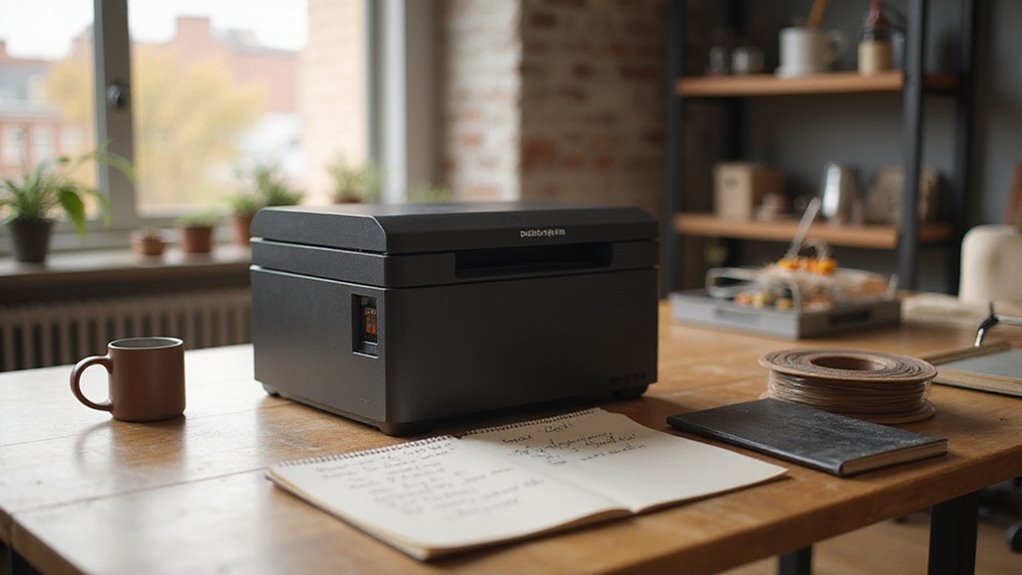
Wondering how much a 3D printer might cost you? Prices can range from under $200 for basic hobby models to over $150,000 for industrial-grade systems.
Whether you’re just starting out or looking to scale up, understanding the different options helps you make a smart choice.
Keep reading to find out what fits your budget and needs.
How Much Does a 3D Printer Typically Cost?
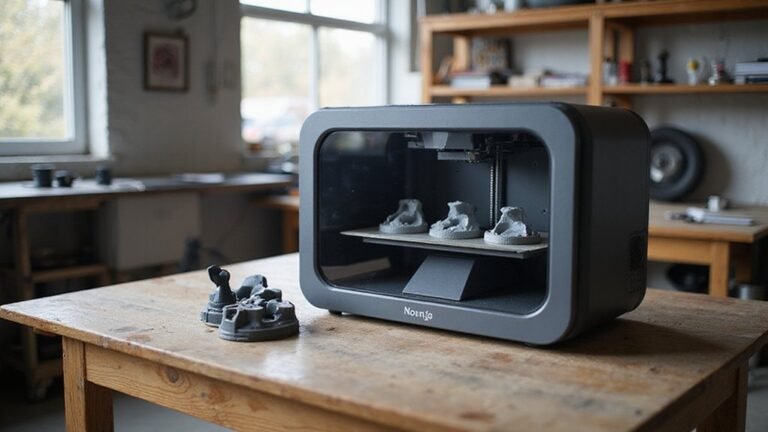
The cost of 3D printers varies widely depending on features, capabilities, and intended use. Entry-level hobbyist models typically range from $100 to $400, making them suitable for basic projects with limited material options. Consumer-grade machines generally start around $150 and offer decent print speeds for simple designs. Mid-range hobbyist printers fall between $500 and $1,500, providing larger build volumes and a wider variety of printable materials. Professional desktop models usually cost between $3,000 and $15,000, offering faster speeds and advanced material compatibility. Industrial-grade systems can exceed $100,000 and support high-volume production with a broader range of materials. Keep in mind that operational expenses such as filament or resin also influence ongoing costs. Understanding these price points helps you select a 3D printer that fits your needs and budget. Additionally, starter models are often the most accessible for beginners, offering a balance of features and affordability.
What Can You Expect From Entry-Level 3D Printers?
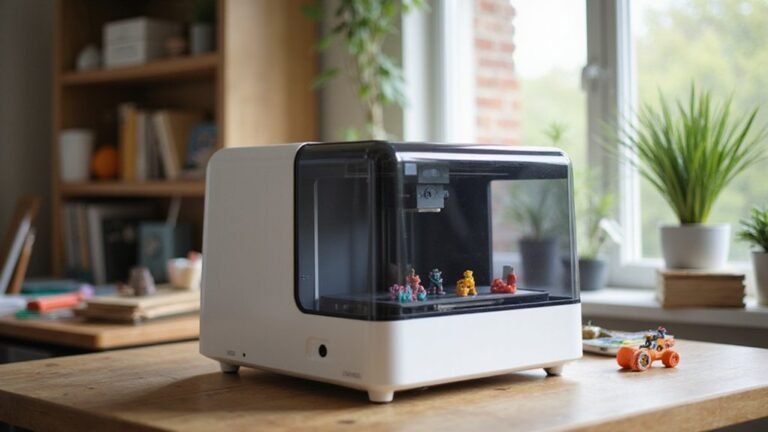
Entry-level 3D printers typically offer a build volume ranging from 180 × 180 × 180 mm to 256 × 256 × 256 mm. This size is suitable for small to medium projects like prototypes, models, or functional parts. Many models come with auto-calibration features that ensure accurate print layers and help achieve cleaner first layers, reducing print failures. Modern beginner printers are designed to be user-friendly, often featuring self-leveling beds and quick setup routines, making them accessible to newcomers without prior experience. They generally produce results with a resolution of around 100 microns, delivering decent detail for most applications. Faster print speeds up to 500 mm/s are now available, enabling quicker production of complex parts. Enclosed build chambers are common in higher-end entry-level models, improving safety and temperature control to enhance filament adhesion and overall print quality. Additionally, these printers support a variety of filament types, from PLA and PETG to flexible filaments, catering to diverse project needs. Keep in mind that although the machines are affordable, you should also budget for materials and accessories like cleaning or curing equipment to maximize your investment. build volume and other features are often customizable or upgradeable in many models to better suit evolving project requirements. Understanding the filament properties is crucial for achieving optimal results and avoiding common issues like warping or poor adhesion.
How Do Mid-Range and Prosumer 3D Printers Differ?
Mid-range and prosumer 3D printers differ significantly in features and performance, reflecting their roles in maker and small business workflows. Mid-range printers, priced approximately between $400 and $1,000, typically deliver reliable precision, smoother surface finishes, and larger build volumes suitable for functional parts. They usually come with basic workflow automation features such as auto bed leveling and filament sensors, which help reduce manual setup and improve ease of use. Prosumer machines, costing from $1,500 to over $5,000, prioritize higher repeatability, better material capabilities—including high-temperature hotends—and support for multiple materials. They often include more advanced automation, like multi-process functions or AI-assisted features, and feature more sophisticated user interfaces. This enhancement in workflow control and automation helps improve consistency and efficiency, making prosumer printers ideal for small-scale production and demanding applications that require high precision. Additionally, prosumer printers often incorporate features to handle filament drying, ensuring optimal material quality for high-performance prints. The ability to support multiple materials can significantly expand the range of possible projects and applications, offering greater versatility to advanced users.
What Are the Costs of Professional and Industrial 3D Printers?
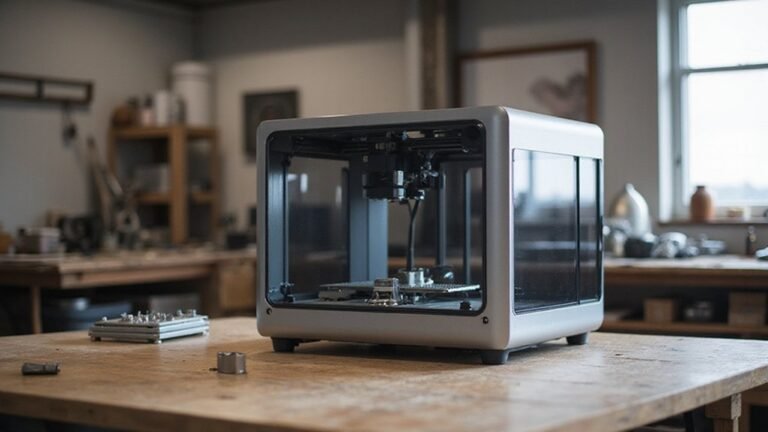
Professional 3D printers typically cost between $3,000 and over $20,000, depending on their features and capabilities. Entry-level models may start around $3,000, suitable for basic prototyping and simple projects. Mid-range options, around $10,000, often include higher precision hardware and support for a wider range of materials. High-end professional models can exceed $20,000, offering advanced features like auto-calibration, high-resolution outputs, and support for engineering-grade or specialty materials. Dual-extrusion units, which allow printing with multiple materials or colors simultaneously, usually cost between $5,000 and $10,000. Additionally, the cost of maintenance and calibration can significantly impact the overall expenditure, especially for more complex systems. Proper maintenance procedures are essential to ensure consistent quality and longevity of the printer.
Industrial-grade 3D printers generally start at approximately $10,000 but can easily exceed $150,000 for systems designed for large-scale manufacturing. Price variations depend on build volume, precision sensors, and material versatility, including metals and composite materials. These systems often feature large build chambers, high reliability, and specialized components that justify their higher costs. Maintenance, calibration, and durability are also factors influencing the price, ensuring that these printers meet the demanding requirements of industrial applications.
What Are the Ongoing Expenses for 3D Printing?
Ongoing expenses for 3D printing mainly include material costs, maintenance, and operational energy use. Material waste—such as support structures, infill, and failed prints—can significantly raise your expenses, often requiring 10% to 30% more filament or resin than the estimated amount. The settings for support structures and infill directly impact how much material you consume, while failed prints add hidden waste and additional costs. Maintenance expenses include replacing worn parts like nozzles, fixing belts, and performing routine upkeep, typically costing between $50 and $500 annually depending on your printer and usage intensity. Additionally, choosing the right printing parameters can optimize material consumption and reduce waste. Proper calibration and file management can further decrease unnecessary material use. Electricity is a relatively small expense for hobbyists, often around $2 to $5 per month, but it can increase in a commercial setting. Additionally, supplies such as cleaning agents and build surface replacements contribute to ongoing costs. Overall, managing material waste and regular maintenance are key to controlling your long-term printing budget, especially since maintenance costs can vary widely based on printer quality and usage.
How Do You Calculate the Total Cost of Buying and Using a 3D Printer?
The total cost of buying and using a 3D printer depends on several ongoing expenses beyond the initial purchase price. Filament costs typically range from $20 to $50 per kilogram, with higher-quality filaments offering better print reliability and fewer failures, which can save money over time. Maintenance expenses include replacing nozzles every few hundred hours of printing, tightening or replacing belts, and swapping out worn parts; these costs can add up to a few hundred dollars annually depending on usage. Additionally, understanding the 3D printing process can help you better anticipate maintenance needs and optimize your printing efficiency. It’s also important to consider filament quality, as it directly impacts the success rate of your prints and potential material wastage. Being aware of energy consumption can also help you manage overall costs, as larger printers tend to use significantly more electricity. Budget printers generally cost between $200 and $1,000 to operate annually, including filament, maintenance, and energy, whereas high-end industrial models can push costs beyond $10,000 per year.
What Are Top Tips to Save Money on 3D Printing?
To save money on 3D printing, focus on designing parts that use less material. This can be achieved by reducing infill density, choosing hollow or lightweight geometries, and minimizing wall thickness where possible. Combining multiple components into a single print can significantly cut down on material costs and reduce assembly time. Additionally, lowering the vertical Z-height of your model shortens overall build time, saving power and wear on your printer. Incorporating proper material selection for your prints can also help lower costs, especially when choosing affordable filaments like PLA or ABS. Support structures often add extra expense; therefore, carefully orient models to minimize overhangs and cantilevers that require supports. Review your models thoroughly for errors before printing to avoid failed prints and wasted material. Using standard, affordable filament types like PLA or ABS, and buying in bulk, further reduces costs. Optimizing printer settings—such as increasing layer height for draft prints, grouping small parts together, and using only one filament material per batch—can also trim expenses. Finally, regular maintenance of your 3D printer ensures efficient operation, while outsourcing large orders to professional services may be more cost-effective, preventing waste and excessive energy use.
Which 3D Printer Types Are Best for Hobbyists, Small Businesses, or Industry?
FDM (Fused Deposition Modeling) printers are the best choice for hobbyists seeking affordability and ease of use. They typically cost under $300 and use filament materials, making them accessible for beginners. FDM printers are suitable for larger projects with less intricate detail, such as prototypes or basic models. They are straightforward to operate and maintain, which helps new users get started quickly. Recent advancements in FDM technology have improved print quality and speed, making them even more attractive for casual users. Additionally, the availability of a wide range of filament materials allows for greater versatility in projects. Moreover, understanding the tools you need for maintenance and troubleshooting can significantly enhance your printing experience. It’s also helpful to learn about materials you can print with, as this impacts both the quality and durability of your finished projects. Resin printers are ideal if you need high-detail prints, especially for miniatures, jewelry, or detailed prototypes. They create smoother surfaces and finer features but require more cleanup, such as washing and curing the printed objects, and safety precautions due to resin chemicals. Resin printers are often more expensive, starting around $300 to $500, but their detail quality is significantly higher than FDM models.
High-speed CoreXY printers are well-suited to hobbyists who want faster production times and more advanced features. Starting around $400 to $500, these printers can achieve faster print speeds with precise movement. However, they often involve more mechanical setup and calibration, making them a bit more complex to operate. These printers appeal to those looking to produce detailed items more efficiently without upgrading to industrial equipment.
When Should You Upgrade or Replace Your 3D Printer?
You should upgrade or replace your 3D printer when repair times start to outweigh print time. Frequent breakdowns, costly repairs, or models over five years old with worn belts or failing hotends are clear indicators it’s time for an upgrade. If your print quality stops improving despite tuning, hardware limitations are likely the cause, and a new machine may be necessary. When your workflow demands faster speeds or higher productivity that your current setup cannot support, upgrading components or firmware can help. Additionally, if your printer cannot handle new materials or firmware features because of hardware constraints, replacing it ensures compatibility. Regular maintenance combined with attentive upgrade decisions will help preserve reliable, high-quality 3D printing over the long term.
What Factors Most Influence 3D Printer Prices and Value?
Several key factors influence how much a 3D printer costs and its overall value. Material selection and building materials are significant—some materials, like high-performance filaments or resin resins, increase ongoing costs but yield better results. Printer types and printing technologies also matter: FDM (fused deposition modeling) printers tend to be more affordable, while resin and industrial systems can cost thousands of dollars. Build volume and size impact price because larger or industrial-scale printers require heavier frames, more precise components, and advanced mechanics, which drive up costs.
Print quality and features such as speed, resolution, and multi-material capabilities often add to the initial investment but provide better performance and more versatile output. Additional features like auto-leveling, heated beds, and robust software ecosystems enhance reliability and ease of use, but they typically come with higher prices. It’s also important to consider ongoing ownership costs—materials like filament or resin can significantly influence the overall value, especially if high-quality or specialty materials are used frequently.