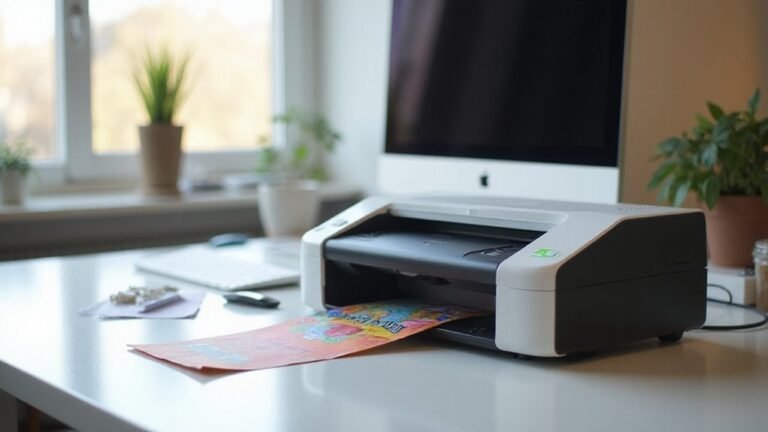
Deciding between a DTF and a sublimation printer can feel confusing, especially with their different strengths and costs.
If you need versatility on various fabrics and larger products, DTF might be your best bet.
But if durability and vibrant images on polyester matter most, sublimation could be the way to go.
The choices come down to what suits your business needs best, and the details below will help you find the right fit.
What Are the Main Differences Between DTF and Sublimation Printing?
DTF (Direct to Film) and sublimation printing differ significantly in process, material compatibility, and final appearance. DTF involves printing designs onto a special film, then applying an adhesive powder before pressing it onto the substrate. This method allows for printing on a wide range of materials, including cotton, natural fibers, and most fabrics, making it highly versatile for different projects. In contrast, sublimation requires printing onto transfer paper; when heated, the ink turns into gas and bonds directly with polyester fibers or coated hard surfaces such as ceramics. Sublimation excels in producing a smooth, embedded look with vibrant colors but is limited to polyester and similar materials. Eco-friendly considerations favor sublimation since it generates less waste during the process. Meanwhile, DTF may involve more cleanup due to the surface transfer process. From a visual perspective, DTF can deliver more vibrant, high-contrast images, whereas sublimation provides a seamless finish that is embedded into the material, resulting in a softer, more durable print. Additionally, the sublimation process is often considered more environmentally friendly because it produces fewer hazardous wastes and uses water-based inks, which are safer for both the environment and operators. Furthermore, understanding the material compatibility of each method helps in choosing the right printing process for specific projects. Considering environmental impact can also influence the choice, especially for eco-conscious businesses aiming to reduce waste and toxic emissions. It’s important to evaluate the cost-effectiveness and initial investment required for each technique to determine the best fit for your production needs.
Which Fabrics and Colors Work Best With Each Method?
For DTF printing, the best fabrics are cotton, polyester, or blends like cotton-polyester. These materials have smooth surfaces that allow the adhesive film to adhere well, ensuring vibrant and durable images. While nylon and textured fabrics can be used, they often require testing to confirm compatibility, as their surfaces may not hold the film uniformly. DTF performs well on dark fabrics because it includes an opaque white underbase, which makes bright colors stand out on black or navy backgrounds. It’s also important to consider fabric surface texture, as smoother textures typically produce better print quality in DTF. Additionally, understanding transfer tape and its role in the process can help optimize adhesion and image quality during printing. Ensuring proper print settings for different fabrics can also significantly improve the final results.
Color choices should favor vibrant, saturated shades for the most impactful results. However, caution is necessary with synthetic dyes or dyed fabrics, as high heat during printing can cause dye migration or bleeding, leading to less sharp images. Always verify fabric color stability before production runs to prevent surprises.
How Do DTF and Sublimation Compare in Image Quality and Texture?
When comparing DTF and sublimation in terms of image quality and texture, sublimation generally offers a more seamless and embedded finish, while DTF provides more tactile contrast on the fabric surface. Sublimation produces photorealistic images with vibrant colors and intricate fine details because the ink becomes part of the fabric fibers. This results in a high-resolution, smooth, and soft appearance, making it ideal for polyester and other coated materials. Additionally, sublimation’s ink embedding process helps prevent cracking or peeling over time. DTF, on the other hand, excels in delivering bright, vivid colors with stronger contrast thanks to its white ink capabilities. It works well on a broader range of fabrics, including cotton and blends, where sublimation isn’t suitable. The image on DTF is printed on a surface layer and then transferred, which creates a slightly raised, textured feel. This layer can influence the flexibility and hand feel of the fabric, making DTF prints more tactile but less seamless compared to sublimation. Moreover, the surface layer of DTF can affect the durability and washability of the final design. Texture-wise, sublimation maintains the fabric’s original softness because the ink embeds into the fibers, resulting in a smooth, almost invisible finish. Understanding the differences in ink application highlights the key distinctions in how each method impacts the final textile appearance and feel. DTF’s surface layer, by contrast, adds a tactile element, which can be desirable for certain design effects but might feel thicker or stiffer. Overall, sublimation favors embedded, soft images, while DTF offers more vibrant, layered designs with a noticeable surface texture.
Which Method Offers Greater Durability and Wash Resistance?
Both DTF and sublimation printing can produce durable, wash-resistant designs, but sublimation generally offers greater longevity for certain applications. Sublimation dye bonds directly with polyester fibers, creating a transfer that resists cracking, peeling, and surface flaking even after many washes—typically up to 50 to 100 cycles—especially on light-colored, high-polyester fabrics. It maintains color vibrancy and full coverage without fading, making it ideal for long-term quality and bright, vivid images. Additionally, sublimation typically results in fewer environmental impacts due to its use of fewer chemicals environmental benefits, making it a more eco-friendly option for many projects. Because sublimation requires specific heat transfer techniques, mastering the proper application process is crucial for optimal results.
DTF, by contrast, works on a wider range of fabrics, including cotton and blends, and provides good durability when properly cured. Typically, DTF prints remain intact after about 50 washes with proper care, but their resistance can vary depending on the curing process and cleaning practices. DTF transfers are versatile across different fabric types, but may not match sublimation’s superior resistance on polyester fabrics. For those concerned about chemical use, sublimation’s lower chemical footprint makes it a more sustainable choice.
While sublimation excels on polyester with its high wash resistance and vibrant results, it is limited to light-colored, polyester-based materials. DTF offers broader fabric compatibility and often requires less specialized equipment and maintenance. In terms of environmental factors, sublimation tends to produce less waste and uses fewer chemicals, although proper disposal methods are necessary for both methods to ensure safety and sustainability.
What Are the Costs and Equipment Needs for DTF and Sublimation?
The costs and equipment needs for DTF and sublimation printing differ significantly, shaping your initial investment and ongoing expenses. DTF printers generally range from $1,000 to over $20,000, depending on size, speed, and automation features. Essential equipment for DTF includes a dedicated printer, powder application system, heat press, RIP software, and support tools like curing ovens or drying stations. A basic DTF setup typically costs between $4,000 and $7,000, but more automated or large-format systems can push costs beyond $20,000.
In contrast, sublimation printers are more budget-friendly, with prices usually between $1,000 and $10,000. The core equipment needed includes a sublimation-capable printer, a heat press, and supplies such as specialized ink, sublimation paper, and transfer films. Because sublimation equipment needs are fewer and less complex, initial costs tend to be lower, making it accessible for newcomers.
Both methods entail recurring costs primarily for consumables. DTF requires ongoing purchase of powder adhesive, ink, transfer films, and curing supplies, which can add up over time. Sublimation, meanwhile, incurs regular expenses for ink, paper, and heat transfer films. These ongoing costs impact your budget and profitability regardless of the method chosen.
How to Choose the Right Printing Method for Your Business Goals?
Choosing the right printing method depends on your business goals, product focus, and versatility needs. If you aim to offer a wide range of products and prioritize quick expansion, DTF is generally more suitable. It supports printing on numerous fabrics, colors, and garment types, making it versatile for diverse product lines. DTF also enhances customer satisfaction by accommodating varied orders efficiently. Additionally, understanding the uses and benefits of heat tape can help ensure proper application and durability of your prints. Considering the print quality and detail achievable is crucial when selecting between methods, as each offers different levels of precision and finish. Being aware of the versatility of DTF printing can further guide your decision-making, especially if you want a more adaptable and scalable solution.
On the other hand, if your focus is serving niche markets like sportswear or hard goods, sublimation’s specialization in polyester and coated substrates makes it an ideal choice. It produces high-quality, seamless prints that appeal to specific customer preferences. Consider your growth ambitions: DTF offers scalability for diverse apparel lines, while sublimation excels in profitable, targeted product segments. Your decision should reflect your target market, material requirements, and long-term vision.