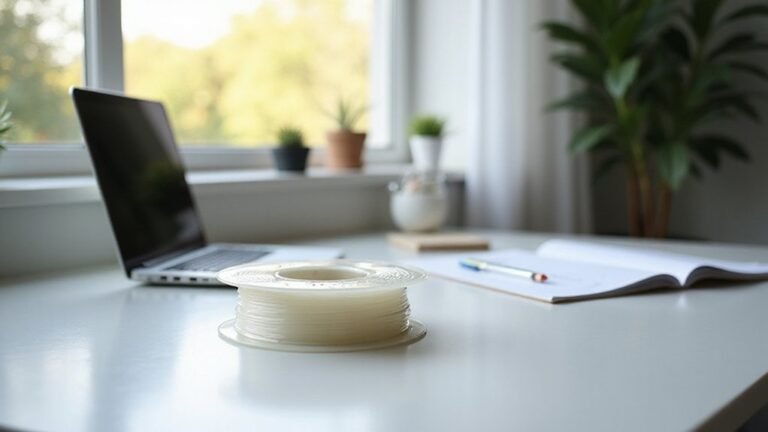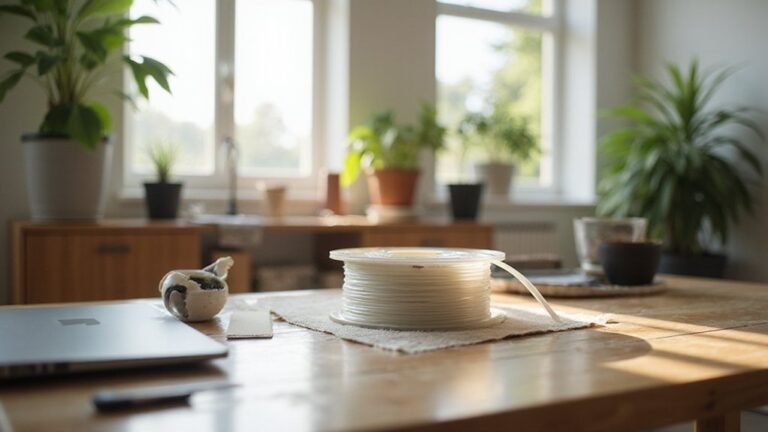
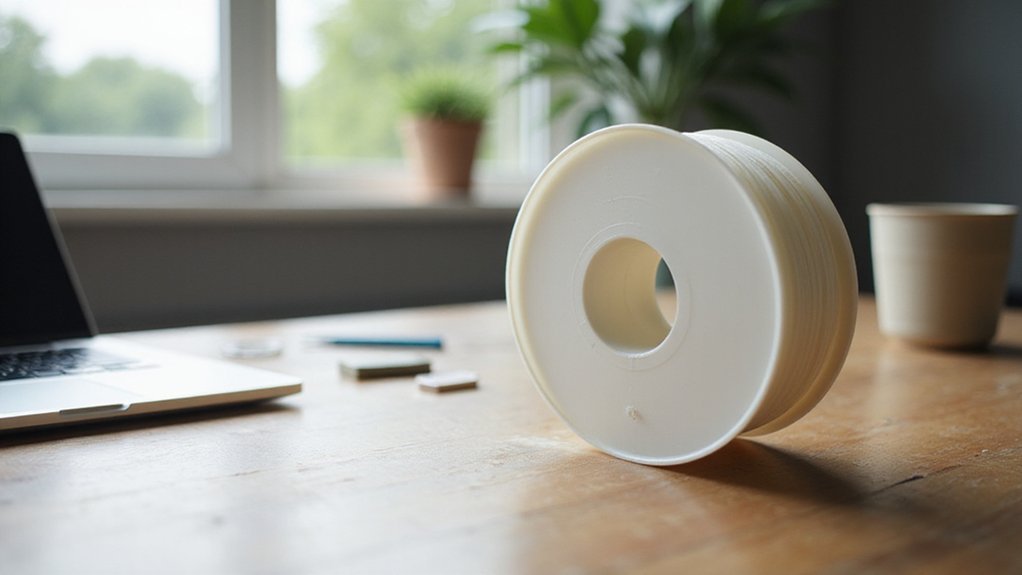
Wondering if PLA filament is safe to use for food-related projects? The truth is, it can be, but only if it’s properly certified, free from harmful dyes or additives, and labeled as “food grade.”
Many factors like manufacturing and printing conditions can influence safety. Keep reading to learn what you need to check for to make sure your PLA prints are safe for food contact.
Is PLA Food Safe? What You Need to Know
Many people wonder whether PLA filament is safe for food contact, and the answer largely depends on its source and formulation. Pure PLA derived from renewable sources like cornstarch or sugarcane is considered non-toxic and mainly releases harmless lactic acid when heated. However, not all PLA filaments are automatically food safe. Safety claims depend on proper formulation, certification, and labeling—such as FDA compliance in the United States or EU standards. If a filament is labeled as food grade and comes with appropriate certifications, it is more likely to be safe for contact with food.
Additionally, understanding food-safe standards can help consumers make better choices about filament safety. Nonetheless, even food-grade PLA can be compromised if it contains chemical contaminants, additives, or dyes that are not food safe. These substances can leach into food or drinks, making materials unsafe over time. Without thorough sourcing and verification of the filament’s certifications, you cannot guarantee its safety for food contact. Always check for reliable documentation, and avoid using filaments without clear information about their food safety standards. It is also important to consider the chemical additives present in non-food-safe filaments, as they can pose health risks. Being aware of certified food-safe materials can help ensure that your prints are compatible with kitchen use and safe for consumption.
How Does Additive Content and Printing Affect Food-Grade PLA Safety
Additive content and printing conditions significantly influence the food safety of PLA parts. Variations in additives such as dyes, pigments, or fillers can introduce harmful substances like heavy metals, especially in colored or opaque filaments. These contaminants may leach into food if the printed object is used for contact, posing health risks. Printing also creates microscopic layer porosity, which can trap bacteria and microbes, making thorough cleaning difficult. This layer porosity becomes more problematic after repeated uses and washes. Additionally, high-temperature printing or inadequate ventilation can release emissions that alter the safety profile of the final piece. This is why printing environment controls are important for maintaining food safety. Hardware components like contaminated metal nozzles or residual filament in the extruder can also degrade food safety by introducing non-food-safe particles. It’s also essential to consider that additive content can vary widely between different filament sources, affecting overall safety. Overall, both the additives included in the filament and the printing process itself play critical roles in determining whether your PLA objects are genuinely food-safe.
How to Verify If Your PLA Filament Is Food Safe
To verify if your PLA filament is food-safe, start by carefully reviewing the manufacturer’s documentation. Look for a technical data sheet (TDS) and safety data sheet (SDS) specific to the batch, as these documents should detail the material’s composition and safety information. Ensure the filament sourcing confirms that the raw resin is food-grade; this is vital because contamination can occur during manufacturing. Certification validation is crucial—seek official certificates or compliance statements referencing standards like FDA 21 CFR or EU food-contact regulations. Be wary of vague claims such as “food-contact safe” without documented proof or certification.
Additionally, check if the manufacturer discloses information about additives, colorants, and stabilizers. These substances can affect safety, so confirmed disclosure and approval as food-safe are essential. Request third-party testing results, such as migration tests or heavy-metal analysis, to verify regulatory limits aren’t exceeded. Finally, prioritize brands that transparently share details about their material sourcing, quality control procedures, and compliance credentials—these are your best indicators of a truly food-safe PLA filament. Verified safety protocols and rigorous testing procedures can provide an extra layer of assurance when selecting your filament.
Best Practices for Printing Food-Contact PLA Parts
To ensure food safety when printing with food-contact PLA parts, you should set up a dedicated workspace with strict cleanliness protocols. Use a separate printer exclusively for food-contact projects to prevent cross-contamination. Keep the print area free of dust and debris during printing to avoid introducing contaminants. Maintain a clean filament path by regularly clearing debris from the extruder gear and PTFE tube. Store filament in sealed bags with desiccant packs to prevent airborne contamination and moisture absorption. For contamination prevention, choose a stainless steel nozzle specifically dedicated to food-contact prints, and avoid chemical bed adhesives which may leave residues. To improve surface finish and reduce trapping of residues, opt for low layer heights and higher infill percentages. Post-processing steps like sanding the printed parts and sealing with a food-safe coating can further enhance surface smoothness and reduce porosity, making the parts safer and easier to clean. Additionally, implementing proper filament storage practices can help minimize contamination risks before use. Regularly inspecting and cleaning your equipment can also prevent buildup of contaminants and ensure consistent safety standards. Incorporating proper handling procedures can further reduce contamination opportunities during the printing process.
Limitations of Using PLA for Food Applications and When to Consider Alternatives
PLA’s limitations make it unsuitable for certain food applications. Its low heat resistance means it softens at about 45 to 60°C, which is not sufficient for hot foods or liquids. Exposure to high temperatures can cause it to deform or break down, especially during cleaning or reheating. Moisture and liquids tend to degrade PLA over time, reducing its durability when washed repeatedly. Additionally, PLA’s brittleness increases the risk of cracking under impact or stress, limiting its long-term durability. Its surface porosity can trap bacteria or residue, raising contamination concerns for reusable items. Cost-wise, while PLA remains affordable, its environmental impact is higher than some alternative materials like PETG or co-polyester. For applications involving hot, moist, or high-use foods, consider switching to heat-resistant and more durable options to ensure safety and longevity.