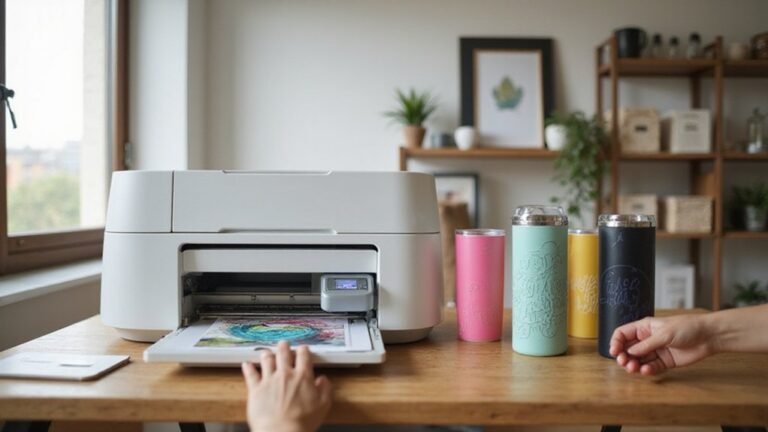
Have you ever wondered how vibrant, full-color images are transferred onto surfaces like fabric or mugs? The secret lies in sublimation paper, a specially coated medium that helps create durable, eye-catching prints.
When heated, the ink turns into gas and embeds into materials, resulting in stunning results. Keep reading to learn how this process works and how to get it just right.
What Is Sublimation Paper and How Does It Work?
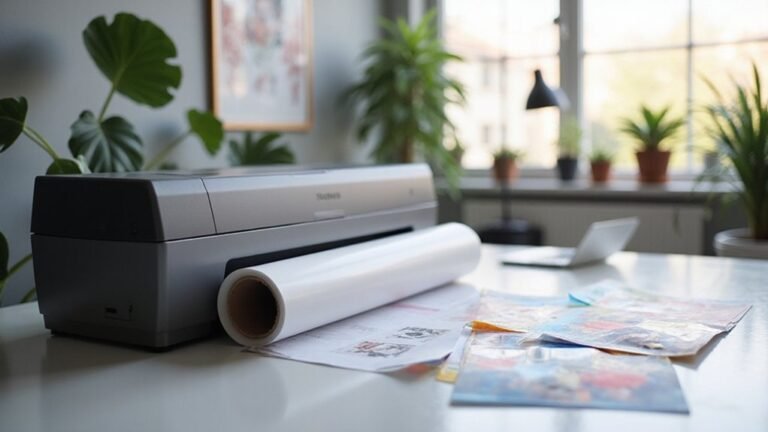
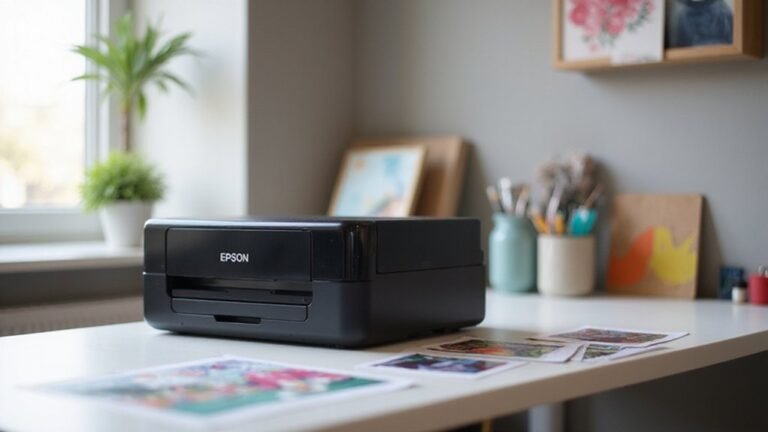
Sublimation paper is specially coated with a dye-receptive layer that holds sublimation ink during printing. You print your design in a mirror image using sublimation ink on the coated side. When heat and pressure—usually between 350°F and 400°F—are applied, the ink changes directly from solid to gas without becoming a liquid. This gas then releases from the paper, allowing the dye to transfer seamlessly into the surface of polyester fabrics or coated items. The process relies on the coating’s ability to release the gaseous ink cleanly, enabling vibrant and durable images once cooled. The transfer temperature is crucial—too low, and the colors may be dull; too high, and the image could burn or bleed. Therefore, maintaining the right temperature ensures the best, most vibrant results. Proper heat transfer techniques are essential to achieve consistent and high-quality prints. Ensuring even heat distribution is also vital to prevent uneven color transfer and maximize image clarity.
What Materials Are Used in Sublimation Paper Coatings?
The coatings on sublimation paper are formulated from a range of specialized materials designed to optimize ink absorption, adhesion, and transfer performance. Polymer resins and binders such as sodium carboxymethyl cellulose, polyvinyl alcohol, and polyamides are commonly used to provide adhesion, cohesion, and ink-holding properties. Fillers like calcium carbonate, titanium dioxide, and kaolin clay control porosity and regulate ink absorption, ensuring consistent transfer. Additives—including surface-active agents, UV absorbers, antioxidants, and defoaming agents—enhance durability, wettability, and overall stability of the coating.
Thermoplastic particles and hydrophilic layers support smooth and vibrant transfers. The combination of these materials creates a coating system that guarantees reliable ink flow, precise transferability, and vibrant image quality. The specific formulation may vary depending on the type of sublimation paper and intended application, but selecting the right materials ensures optimal performance during printing and transfer processes.
How to Choose the Best Sublimation Paper for Your Projects?
Choosing the right sublimation paper depends on understanding your project needs and the specific qualities of different options. Start by evaluating paper weight: lighter papers, around 80 to 90 grams per square meter (gsm), help reduce curling and are ideal for simple designs with low ink loads. Heavier papers, approximately 125 gsm, provide stronger ink saturation, resulting in more vibrant and detailed images. Medium weights, between 105 and 120 gsm, offer a good balance, ensuring smooth transfers with less dampness. The weight of sublimation paper also influences its stiffness and handling during printing and transfer, affecting work flow and final quality. Additionally, understanding the printing process and how different weights perform can impact your overall results. It is also helpful to consider the moisture resistance of the paper, especially for projects that might require handling in humid environments or extended storage periods, to ensure optimal transfer quality. Furthermore, assessing the paper’s resistance to ink bleed can help in achieving sharper, cleaner images during transfer, particularly for intricate or detailed designs.
Consider ink compatibility carefully. Heavier-weight papers absorb more ink, which enhances color richness and durability, especially for complex, high-color designs. It is also essential to verify that your chosen paper matches your printer type and ink system, as sublimation inks are specifically designed for optimal transfer with compatible papers. Experimenting with different combinations allows you to find the best fit for your projects, helping to improve both quality and workflow efficiency.
Which Surfaces Are Ideal for Sublimation Printing?
Sublimation printing is most effective on surfaces with a polyester component or a polymer coating. These materials allow the dye to bond during the heat transfer process, resulting in vibrant, durable images. To achieve the best results, ensure surfaces are clean and dry before printing. Ideal substrates include 100% polyester fabrics such as t-shirts, apparel, and mousepads, as well as neoprene items. Polyester fibers are inherently receptive to sublimation inks, making them the primary choice for vibrant and lasting results. For hard surfaces, look for products with a polymer coating, like ceramic mugs, tiles, aluminum panels, or treated wood and MDF. Metal blanks must be coated with polymer beforehand to produce vivid transfers, while coated ceramics and drinkware are also suitable. The key to a successful sublimation transfer is selecting the right coated surface that absorbs the inks effectively and allows the dye to bond strongly. Proper surface preparation and choosing the correct coating are crucial steps to ensure high-quality, long-lasting results. Additionally, understanding surface compatibility can help prevent issues like poor adhesion or color fading over time. Ensuring the proper heat transfer process is equally important for achieving sharp, vibrant images and avoiding potential damage to the substrate.
Troubleshooting Common Sublimation Transfer Issues?
Moisture is one of the most common causes of issues during sublimation transfers. It can create spots, blurriness, or weak images by interfering with ink absorption. To prevent this, pre-press your blanks for 10 to 15 seconds to release trapped moisture. Store your sublimation paper in a dry, airtight container to keep it moisture-free before printing. In humid environments, warming the substrate under an open heat press at 350°F for 30 seconds helps dry the surface thoroughly. Insufficient drying, uneven pressure, or pressing for too short a time can cause moisture spots or areas of lightness. Use even pressure across the entire platen, and add pressing pillows if working with irregular shapes for better contact. Proper tape placement is also crucial; ensure tape holds the transfer securely without shifting during the process. Opening the heat press slowly after pressing helps maintain image placement and prevent shifting. Addressing moisture and contact issues this way results in vibrant, consistent colors and sharp transfers in your sublimation projects. Additionally, monitoring ambient humidity levels can significantly improve the consistency of your results, especially in areas with fluctuating weather conditions. Being aware of environmental factors like humidity control can make a big difference in achieving perfect transfers every time.
Limitations of Sublimation Paper and When to Use It?
Sublimation paper has notable limitations that influence when and where you should use it. Primarily, it works best with polyester fabrics and polymer-coated surfaces because sublimation dyes bond with synthetic polymers rather than natural fibers like cotton. Materials such as uncoated wood, bare metals, and plain paper are unsuitable because they lack the necessary coating or polymer structure to hold the dye securely. Proper application also depends on controlled heat, pressure, and timing; incorrect settings can lead to color shifts, blurring, or uneven transfers. Additionally, sublimation produces vibrant images only on light-colored, coated surfaces, as the process is translucent and cannot print opaque white. Understanding these material and surface restrictions helps you choose appropriate projects, ensuring satisfactory results without frustration. Material compatibility is crucial for successful sublimation, so knowing which surfaces can handle the process can save time and prevent disappointment.