Deciding between infusible ink and sublimation often boils down to what you want to create and how much effort you’re willing to put in.
Infusible ink is user-friendly and perfect for small, simple projects on polymer surfaces.
While sublimation delivers vibrant, high-quality results suitable for larger, professional-looking items.
Keep reading to see which method fits your creative goals best.
What Are Infusible Ink and Sublimation?
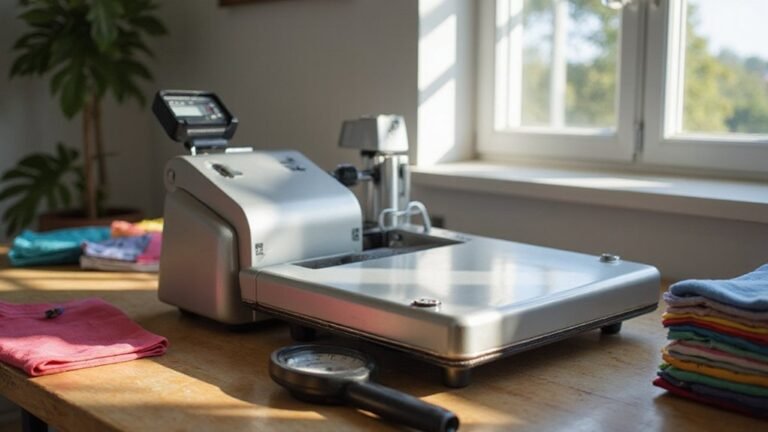
Infusible Ink and sublimation are two distinct methods for creating vibrant, permanent designs on various surfaces. Infusible Ink uses pre-made sheets, pens, or markers that transfer ink into compatible surfaces when heat and pressure are applied. It works best on materials like polymer-coated surfaces and polyester fabrics, resulting in smooth, seamless designs that look like part of the material. Sublimation involves turning special sublimation ink into gas under high heat, which then bonds directly with polyester fabrics or specially coated surfaces. This process creates embedded, long-lasting images with vivid colors and a professional finish. Both methods require specific equipment—such as a heat press or Cricut EasyPress—and careful surface selection to ensure the design adheres properly.
Infusible Ink is generally more beginner-friendly, as it relies on pre-designed sheets and simple heat transfer processes. Sublimation offers more customization, allowing you to print your own digital artwork onto sublimation paper before transferring it to the surface. This makes sublimation a versatile choice for detailed and high-resolution images. Additionally, surface compatibility greatly influences the success of each method, as not all materials work equally well with either process. The choice between the two depends on your project needs—Infusible Ink provides ease and quick results, while sublimation offers greater creative control with detailed, full-color images. Both methods produce durable results that withstand washing and wear, but they require different equipment and surface suitability considerations.
Which Materials Work Best for Each Heat Transfer Method?
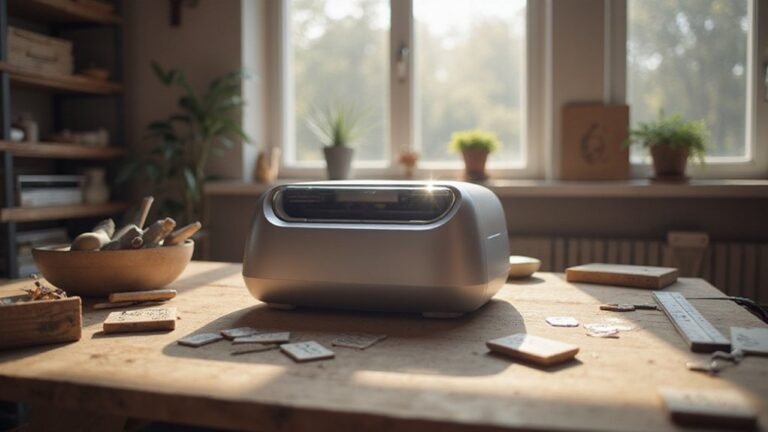
Materials with 65% or more polyester content work best for Infusible Ink, with 80% or higher being ideal for strong bonding. Light-colored blanks, especially white or pastel tones, yield the best results because the transparent ink shows up clearly. For surface preparation, use Cricut-branded or polymer-coated surfaces such as mugs, tiles, or coasters to ensure proper bonding. Fabrics that are smooth and free of textures allow for even heat transfer and better ink penetration. Polyester content is the most important factor in achieving vibrant, durable results, and selecting surfaces with the appropriate coating ensures successful transfers. Ensuring that the material compatibility matches the transfer method is essential for optimal results. Sublimation material compatibility is critical for success. Polyester fabrics with at least 80% polyester content are necessary for vibrant, durable results. Light-colored or white sublimation blanks are preferred because they reflect the ink’s print accurately. Coated hard surfaces like specially coated mugs, puzzles, or tiles are suitable, but surfaces without a coating will not work with sublimation. Make sure all surfaces are clean, smooth, and free of dust or texture irregularities, which can interfere with heat transfer and image quality. Additionally, choosing the right application temperature ensures that your transfers adhere properly without damaging the material or creating uneven results. Proper **surface preparation** including thorough cleaning ensures better ink adhesion and transfer quality. Whether working with fabric or hard goods, proper material selection and preparation are vital for consistent, high-quality results.
How Do Design Flexibility and Print Quality Compare?
Sublimation offers significantly higher design flexibility and print quality compared to infusible ink. With sublimation, you can print photographs, complex graphics, and layered designs with full-color gradients and rich details, thanks to high DPI printers. This results in vivid, photorealistic images with sharp clarity that bond permanently with polyester fibers, ensuring the designs last. Infusible ink, on the other hand, relies on pre-made sheets which limit you to basic colors and simple patterns. Its options for intricate details or photographic images are minimal, making it less suitable for elaborate or highly detailed projects. While both methods produce durable results, sublimation’s ability to support detailed, multi-color designs provides a clear advantage for creative versatility and superior print quality. Additionally, print resolution plays a crucial role in achieving the high-quality, detailed images that sublimation can produce, especially when using high-quality printers that maximize color accuracy and sharpness.
What Equipment Do You Need to Get Started?
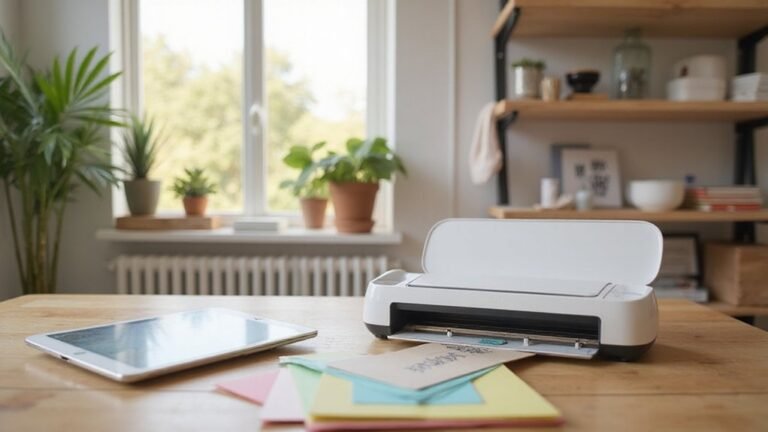
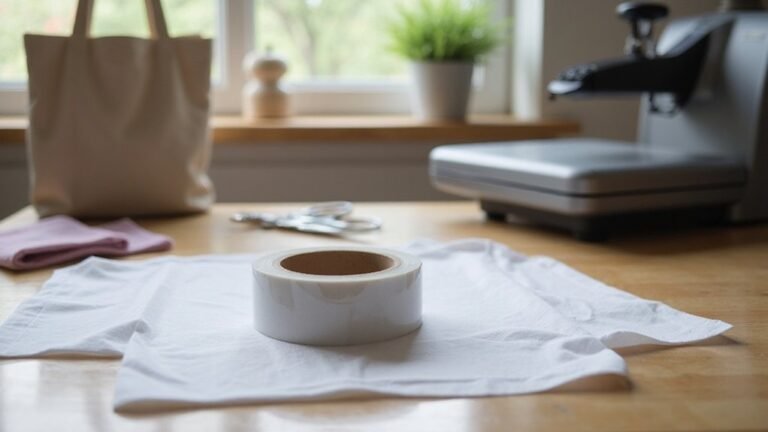
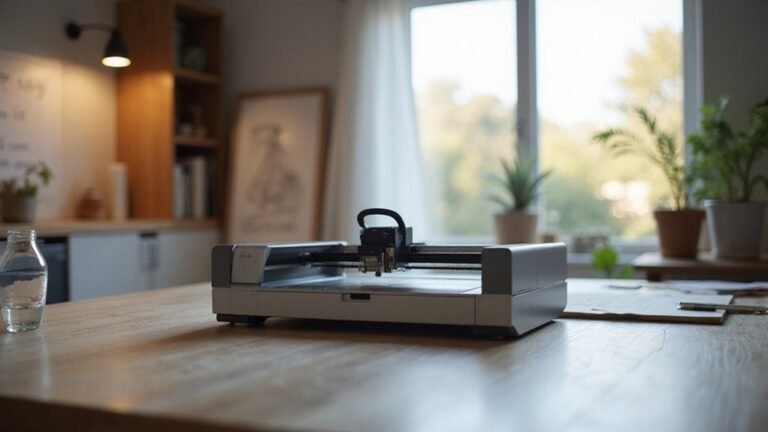
Getting started with Infusible Ink requires a few essential tools. First, you need a compatible Cricut cutting machine such as the Maker, Explore Air 2, or Joy, to cut transfer sheets or draw with pens and markers. Design software like Cricut Design Space is crucial for preparing your artwork digitally. A heat press, specifically a Cricut EasyPress, is necessary for even and consistent transfers and should be used alongside a pressing mat that protects your surface. Basic prep supplies include a lint roller, lint-free cloth, and butcher paper to prevent bleed-through and maintain transfer quality. Cutting and weeding tools such as mats, tweezers, and weeding tools help manage intricate designs efficiently. For pens and markers, an auxiliary housing is required, along with compatible blanks. Additionally, a heat press capable of reaching 400°F is essential for certain projects. These tools and supplies provide a solid foundation for experimenting with different Infusible Ink projects and following beginner tips confidently. Proper temperature control is crucial for successful transfers, as it ensures the ink infuses correctly into the substrate, especially considering the toxicity concerns associated with some materials. To achieve the best results, understanding permanent vinyl’s stickiness helps in selecting the right material and application technique.
Is Infusible Ink or Sublimation Better for Beginners?
Infusible Ink is generally better for beginners because it is more forgiving and easier to use than Sublimation. It requires less technical skill and setup, making the transfer process more straightforward and less prone to errors. Pre-designed Cricut materials and simple heat press requirements help newcomers achieve quick, satisfying results without dealing with complex equipment or procedures. Infusible Ink projects tend to be more durable, lasting longer without fading or cracking, which boosts confidence and satisfaction early in your crafting journey. Additionally, it costs less to get started with, and the step-by-step guidance available from Cricut simplifies the learning process. While Sublimation can produce professional-looking results, it demands mastering more precise control over factors like color accuracy and pressure, which can be overwhelming for beginners. Overall, Infusible Ink offers a simpler, more accessible entry point for those new to crafting who want reliable results and durability without a steep learning curve. Cost-effective options and widely available resources also make it more appealing for beginners just starting out in the crafting world.
When Should You Use Infusible Ink or Sublimation for Your Projects?
You should use Infusible Ink for small batches, quick projects, and minimal setup. It’s perfect if you’re just starting out or making one-off gifts and hobby items with simple designs. Infusible Ink is beginner-friendly, requires less equipment, and is generally more budget-friendly. It works well when speed matters and you want a straightforward process without a lot of fuss.
On the other hand, sublimation is better suited for larger quantities, full-color images, and detailed designs. It offers more consistency and flexibility, especially if you’re aiming for professional results. Sublimation can be used on a wider variety of materials, making it more versatile for diverse projects. However, it involves a higher upfront investment in equipment and has a bigger environmental impact due to the printing process. Additionally, sublimation relies heavily on the ability to print high-quality, dye-based images, which requires a compatible printer and special inks to achieve optimal results.
Choosing the Right Heat Transfer Method for Your Needs
Choosing the best heat transfer method depends on your project’s specific needs and resources. Sublimation usually costs less per square inch, making it more economical for larger or ongoing projects. However, its material compatibility is limited to polyester fabrics, ceramics, and metals, which can restrict creative options. Infusible ink tends to have higher material costs, but if you already own a Cricut machine, it requires less initial setup. It works well with Cricut blanks like cotton and polyester blends but offers fewer options overall. For high-quality, long-lasting photo designs, sublimation is the better choice due to its vibrant, durable results. Additionally, understanding the performance differences can help you select the most suitable method for your desired outcome. Considering material versatility can also influence your decision based on the types of substrates you wish to transfer your designs onto.