
Have you wondered how those vibrant, personalized mugs are made? Sublimation mugs are specially coated ceramic or polymer cups that allow you to transfer full-color designs with heat and pressure, creating durable, fade-resistant images.
By the end of this, you’ll understand how to produce high-quality custom mugs that last.
What Are Sublimation Mugs and Why Use Them?
Sublimation mugs are specially coated ceramic or polymer mugs designed for a printing process that allows for full-color customization. This process enables you to create vibrant, photo-realistic designs that are difficult to achieve with other printing methods. The technique involves using heat and pressure to transfer dye from sublimation paper into the mug’s coating, resulting in a permanent bond. The transfer is precise, producing sharp details and vivid colors that won’t peel, crack, or fade over time. As a result, the final product has a smooth, professional finish that looks polished and high-quality. Because of their durability, sublimation mugs are particularly suitable for items that will be used frequently. These mugs are ideal for branding, personalized gifts, or small business merchandise because of their durability and long-lasting images. They are designed to withstand daily use while maintaining their vibrant appearance. Whether you want to make a special gift or promote your brand, sublimation mugs deliver stunning, long-lasting images that stand out. Their ability to produce high-resolution, full-color designs makes them a preferred choice for those seeking quality and durability in custom mugs. Additionally, understanding the transfer process can help ensure you choose the right equipment and supplies for your projects.
Materials and Equipment Needed for Sublimation Mug Printing
To produce high-quality sublimation mugs, you’ll need specific materials and equipment tailored for the process. Start by choosing sublimation-compatible mug blanks, typically ceramic mugs with a polyester coating. These coatings are essential because they allow the sublimation ink to bond effectively with the surface. Popular brands like Orca-coated mugs are widely used, especially by beginners, for their reliability and ease of use.
You’ll also need a sublimation printer loaded with sublimation inks, alongside sublimation paper for transferring your design. Create mirrored images using design software to ensure correct orientation once transferred. Trim your printed design with scissors or cutters for a precise fit on the mug. The quality of the sublimation ink used directly impacts the vividness and durability of the final design, so investing in high-quality inks is highly recommended. Using high-quality sublimation inks ensures vibrant and durable results that last over time.
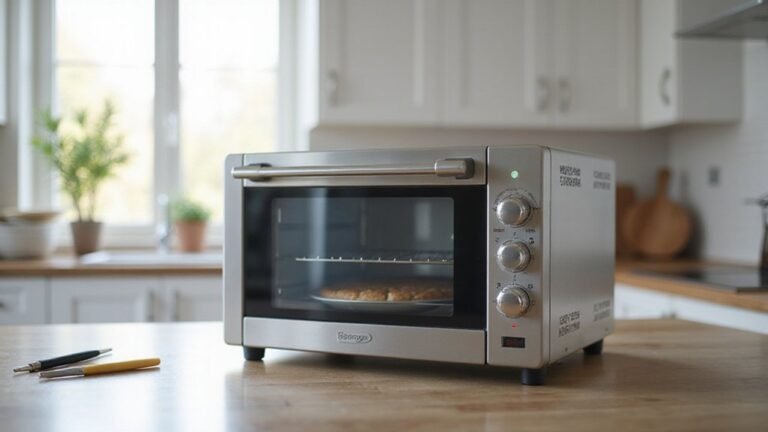
For heat application, a mug press machine is ideal, but alternatives such as convection ovens or air fryers can also be used. These devices typically operate at temperatures between 356 and 400 degrees Fahrenheit for 140 to 180 seconds to achieve proper ink transfer. Secure the transfer sheet onto the mug with heat-resistant tape to prevent shifting during the heating process. Additionally, consider using eco-friendly options like reusable transfer sheets and tapes to reduce environmental impact. Sublimation materials are specifically designed to withstand high heat and ensure the best results in the process.
Preparing Your Mug and Design for Perfect Transfers
To ensure a perfect transfer on your mug, proper preparation of the surface is essential. Begin by thoroughly cleaning the mug with a lint-free cloth to remove dust, oils, fingerprints, or any residue that could affect the design’s adhesion and clarity. Avoid touching the surface after cleaning to prevent contamination. Once the mug is clean and dry, check the transfer alignment carefully. Use visual cues such as the position of the handle to ensure the design is centered, level, and correctly positioned. Secure the transfer paper tightly with heat-resistant tape to prevent shifting during pressing. Proper securing helps avoid blurring or ghosting, and precise placement guarantees a professional, vibrant finish. Additionally, understanding cost factors related to sublimation equipment and supplies can help you manage your budget effectively. Being aware of material performance and how it influences durability can help you select the right supplies for long-lasting results. Keep in mind the importance of equipment calibration to maintain consistent transfer quality across different projects. Following these steps ensures a smooth transfer with sharp details and bright colors on your sublimation mug.
Step-by-Step: How Sublimation Printing Works on Mugs
Sublimation printing transfers your design onto a mug by first printing it onto sublimation paper using sublimation ink, which ensures high resolution and accurate colors. The printed transfer paper is then carefully wrapped around the coated mug and secured with heat-resistant tape to keep everything aligned. During the transfer process, the mug is placed in a mug heat press set to around 180°C for approximately 200 seconds. The heat and pressure make the sublimation dye change from solid to gas, allowing it to bond with the mug’s polymer coating on a molecular level. Once cooled, the transfer paper is peeled away, revealing a vibrant and durable image. Precise alignment and consistent heat settings are crucial to prevent issues like ghosting or uneven coloring, ensuring a professional-looking finish. Proper safety precautions should always be followed to prevent burns or damage during the heat press process.
Troubleshooting Common Issues in Sublimation Mug Printing
Even with careful setup, issues can still affect your sublimation mug prints. To troubleshoot effectively, focus on proper color correction and temperature calibration. Low-resolution images or incorrect DPI settings are the main causes of poor print quality and blurriness; always use high-resolution artwork at 300 DPI to ensure sharp, clear images. Proper ink selection is essential, as using non-sublimation ink can lead to inconsistent results and poor color vibrancy. Faded colors typically result from using the wrong paper type or misadjusted color settings. Experiment with different paper options and fine-tune your color profiles to achieve vibrant, true-to-life hues. Temperature calibration is crucial; setting the heat press too low can produce grayish or blurry results, while too high can cause smudging or bleeding. Use a reliable thermometer to verify and maintain optimal temperature during each press. Ensure your heat press applies even pressure and consistent contact across the mug surface. Proper heat press pressure and tape misalignment can lead to incomplete transfers or design shifts. Regularly clean your equipment to prevent ink clogs and residue buildup, which can cause ink smudging or inconsistent results. Double-check your timing settings before each session to avoid issues like incomplete transfers or design shifting during pressing. Additionally, correct ink usage is vital to prevent poor adhesion and color issues, so always verify you are using sublimation-specific inks. Paying attention to equipment maintenance can help prevent common printing problems and extend the lifespan of your tools.
Benefits and Long-Term Durability of Sublimation Mugs
Sublimation mugs are known for their exceptional long-term durability because the dye ink fuses directly into the polymer coating. This process creates a permanent image that resists scratches, fading, and peeling, ensuring the design remains vibrant and intact over time. The smooth finish has no raised edges, which helps prevent wear and tear during washing. These mugs are dishwasher and microwave safe since the design becomes part of the mug itself, not just a surface layer. As a result, high-resolution images retain their sharp details and true-to-life colors even after repeated use, making sublimation mugs a reliable choice for promotional or personal branding that lasts for years without losing aesthetic quality.
Tips for Cleaning and Maintaining Your Sublimation Mugs
To keep your sublimation mugs looking their best, it’s crucial to use gentle cleaning methods that protect the printed design. Hand washing with mild dish soap and warm or lukewarm water is the safest approach. Use a soft sponge or cloth to clean both the inside and outside, avoiding abrasive pads or hard brushes that can scratch or damage the surface. After cleaning, rinse thoroughly to remove any soap residue.
For stain removal, especially from tea or coffee, use diluted white vinegar or lemon juice as a mild soaking agent. Let the mug sit in the solution for a few minutes, then rinse completely to prevent lingering acids from affecting the design. It’s best to avoid dishwashers and high-heat microwave use unless the mug has specific labels indicating they’re safe. Regularly check your mug for cracks or chips, as damage can compromise print durability and safety.
Store your sublimation mugs away from direct sunlight and avoid stacking them to prevent surface damage. Proper cleaning, gentle stain removal, and careful storage all help preserve the vibrancy of your mug’s design over time.