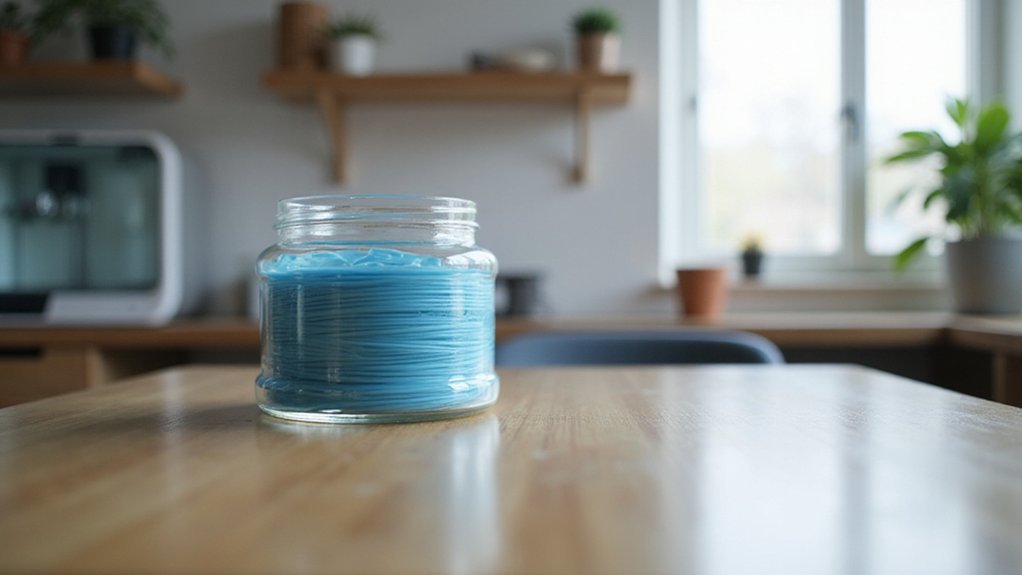
Wondering how long you need to dry PETG filament for the best 3D print results? The typical drying time is around 4 to 6 hours at about 65°C for moderate moisture.
But very wet filament might need up to 12 hours. Getting the timing right is essential to avoid deformation and ensure smooth printing.
Keep reading to learn everything you need to know about drying and storing PETG filament properly.
Why Moisture Can Ruin PETG Prints
Moisture can ruin PETG prints because the filament absorbs water from the air, especially in humid conditions. As it absorbs moisture, you may see color shifts, surface defects like stringing, blobs, or rough textures, all of which lower print quality. During extrusion, the trapped water turns into steam, creating bubbles that result in inconsistent flow and uneven layers. This buildup of moisture can also cause print failures by disrupting the extrusion process. Proper storage helps minimize this risk by controlling environmental exposure over time. This buildup of moisture can also cause print failures by disrupting the extrusion process. This can lead to surface fuzziness and a rough finish. Moisture also affects print accuracy by disrupting proper layer adhesion, making it harder to achieve precise details and dimensions. Additionally, the internal structure becomes weaker, reducing the overall strength and durability of the final part. Maintaining consistent storage conditions is crucial for preventing moisture absorption and ensuring reliable results. Proper storage and pre-print drying are essential for maintaining high-quality, reliable prints, preventing these common issues and ensuring consistent results.
How to Recognize if Your PETG Is Wet or Dry
To determine if your PETG filament is wet or dry, look for several visual and sensory indicators. A properly dried filament usually has a matte surface, while a glossy or uneven finish suggests it has absorbed moisture. Examine the surface texture; if it feels soft, sticky, or tacky, it may be waterlogged. Moisture absorption can also lead to print quality issues, affecting your final results. Pay attention to small visual signs such as bubbles, surface irregularities, or defects like pitting, which indicate internal moisture. During extrusion, listen for popping, cracking, or sizzling sounds, which occur when water turns to vapor as the filament heats. Additionally, signs in your print, like bubbles, pinholes, or uneven, rough first layers, often point to moisture presence. You can also conduct simple tests: bend a piece of filament to see if it feels brittle or snap easily, or extrude a small section to observe the flow. If the filament is brittle or if the extrusion is uneven and bubbly, it likely needs drying. Proper storage methods, such as sealed containers with desiccants, help prevent moisture absorption in your filament storage practices, ensuring consistent print quality. Understanding how moisture affects filament quality helps you maintain consistent print results and avoid print failures. Combining these cues gives you a clear picture of whether your PETG filament is wet or dry.
Drying PETG: How Long Is Enough for Different Moisture Levels
The drying time for PETG filament depends on its moisture level. For filament with moderate moisture absorption, a drying period of 4 to 6 hours at 55 to 65°C is usually sufficient. If your filament is lightly damp, 1 to 2 hours might suffice, but extending the drying time to 2 to 4 hours at 60 to 65°C is safer to prevent surface defects or print issues. Heavily moisture-absorbed PETG requires a longer drying process, typically 8 to 12 hours, to effectively remove the absorbed moisture. Properly drying your filament ensures the coating remains uniform and helps avoid print flaws caused by moisture. After drying, always recheck your filament’s condition, especially if it has absorbed a lot of moisture, and adjust the drying time accordingly to prevent over- or under-drying. Immediately storing your filament in a sealed container after drying is essential to maintain its dryness. Understanding moisture absorption in filaments like PETG can help you optimize your drying process for the best print quality. Additionally, being aware of the impact of moisture on filament performance can help you prevent common printing issues caused by excess humidity. To further preserve filament quality, consider using dry boxes or storage solutions designed to control ambient humidity.
What’s the Best Temperature to Dry PETG?
The ideal temperature for drying PETG filament is around 65°C. Staying within this range ensures effective moisture removal without risking damage to the filament’s structure. Temperatures above 70°C can cause the filament to become soft or deform, rendering it unusable, while lower temperatures below 50°C may not eliminate moisture efficiently and can leave the filament still prone to printing issues. Consistently drying PETG at 65°C strikes a good balance, helping to maintain filament quality, color consistency, and proper adhesion during printing. Always verify your drying oven’s temperature with an independent thermometer to prevent inaccuracies and ensure optimal results. Proper calibration and precise temperature control are key to keeping your PETG in the best condition for reliable, high-quality prints. Additionally, understanding the moisture absorption characteristics of PETG helps in selecting the right drying process.
Top Methods to Dry PETG Filament Effectively
The most effective drying methods for PETG filament involve using controlled environments and proper equipment. An oven set to 65°C for 4 to 6 hours is a reliable option; you should verify that the filament’s color remains consistent after drying, as this indicates minimal moisture content. Dedicated filament dryers are ideal because they offer a fully enclosed space with precise temperature control, running for the same duration of 3 to 6 hours at 65°C. These units prevent reabsorption by maintaining a stable environment. Food dehydrators can also be used effectively—they keep airflow and temperature steady, making them a practical and accessible solution. Drying inside a heat bed enclosure is another option, provided you’ll check the temperature carefully to avoid overheating or uneven drying. For quick moisture removal, vacuum filament dryers paired with silica gel desiccants are excellent; they rapidly reduce moisture levels while storing filament in a sealed environment. Proper handling and storage after drying—such as sealing filament in airtight containers or using silica gel packs—are crucial to prevent reabsorbing moisture. Additionally, understanding moisture absorption and how to mitigate it can significantly improve print quality and filament longevity. Incorporating desiccant storage techniques can greatly help in maintaining filament dryness and preventing moisture-related issues over time.
How to Tell When PETG Is Fully Dried and Ready to Print
To know when PETG is fully dried and ready to print, look for clear visual and tactile signs. A dried filament should appear less cloudy and have fewer frosty patches or surface bubbles. Tiny bubbles indicate residual moisture, so their absence suggests proper drying. Perform the bend-and-snap test: gently flex the filament; if it bends without snapping, it’s dry enough. During extrusion, the flow should be smooth, without popping, sizzling, steam, or bubbles. These are signs that moisture has been effectively removed. Keep in mind that visual cues alone are insufficient—time and testing are essential. After drying, allow the spool to cool completely, then recheck its flexibility. Understanding the moisture content and its impact on filament quality can help prevent printing issues caused by residual moisture. Knowing about moisture vaporization during the drying process can further improve your results. Additionally, monitoring print quality and adjusting drying times accordingly can ensure optimal results on your printer.
How to Store PETG to Prevent Reabsorbing Moisture
To prevent PETG filament from reabsorbing moisture, store it in airtight containers. Use sealed plastic bins with tight-fitting lids or vacuum-sealed bags to effectively block humid air. These options provide superior protection compared to unsealed plastic or cardboard boxes, which allow moisture infiltration. Incorporate silica gel or desiccant packs inside the storage containers to absorb residual humidity. Regularly check and regenerate the desiccant to ensure it remains effective. Keep your PETG in a cool, dry place, ideally between 15–25°C, away from sources of heat, direct sunlight, or humid environments like kitchens or bathrooms. Use a digital hygrometer to monitor humidity levels, aiming to keep moisture below 20%. For long-term storage, opt for sealed containers with ample desiccant in a stable, cool environment to preserve filament quality and maintain optimal print results.
Troubleshooting: Why Your PETG Might Not Be Dry Enough
If your PETG still shows signs of moisture after drying, the most common cause is insufficient drying time or temperature. Incomplete drying leads to steam-like bubbles, rough surfaces, and poor extrusion, which all indicate moisture trapped within the filament. To troubleshoot, extend your drying cycle beyond the typical 4 to 7 hours, especially if the filament feels wet deeper inside the spool. Ensure you are drying the filament at around 60 to 65 degrees Celsius; lower temperatures tend to trap moisture instead of evaporating it. Using an oven with an accurate thermometer can help maintain a consistent temperature and prevent overheating or underheating. Keep in mind that poor filament quality or uneven heating can also contribute to moisture retention. Even after proper drying, PETG can reabsorb moisture quickly in humid environments, so storing your filament properly and re-drying when necessary are essential for maintaining optimal print quality. Additionally, understanding enclosed vs open 3D printers can impact how humidity affects your filament stored in different environments. Implementing proper filament storage methods can significantly reduce the frequency of re-drying needed.