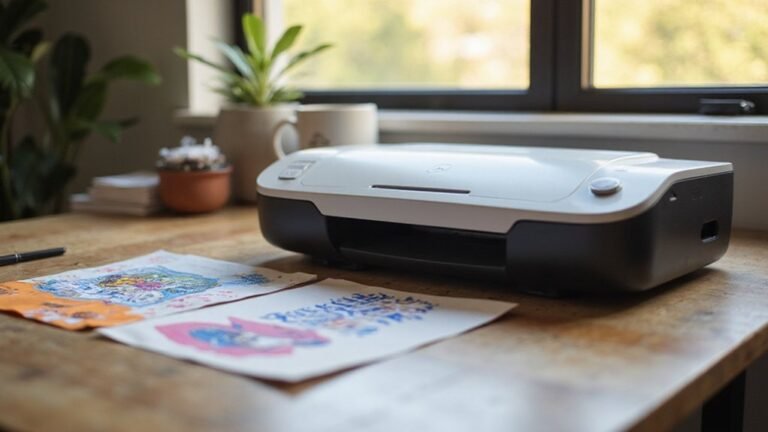

Looking for where to buy sublimation ink and what to watch out for? The right choice can make a big difference in the vibrancy and longevity of your designs.
Whether you prefer shopping online or from specialty suppliers, knowing what to look for will help you pick high-quality inks that work perfectly with your printer.
Keep reading to find all the details you need.
Understanding Sublimation Ink: Compatibility and Performance Features
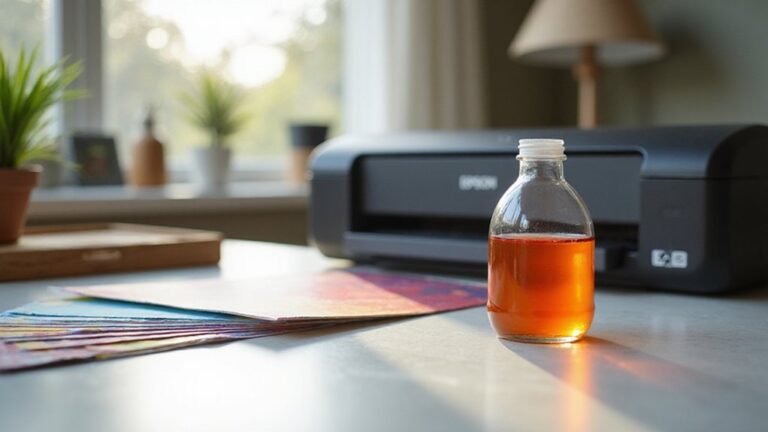
Sublimation ink is compatible primarily with thermal or piezoelectric inkjet printers. These printer types utilize modern ink delivery systems capable of handling sublimation dyes, whereas standard inkjet printers generally cannot accommodate sublimation inks without modifications. Confirming your printer’s technology ensures the ink flows correctly and adheres properly during printing. Compatibility also depends on the firmware and chips in models like Sawgrass or Epson, which are designed to recognize and work seamlessly with sublimation inks. Using incompatible printers risks clogging, poor color transfer, or damage to your equipment, so verifying this match is essential for achieving vibrant, reliable results. Additionally, selecting appropriate ink delivery systems tailored for sublimation can improve overall print quality and longevity, emphasizing the importance of choosing compatible hardware and supplies in the sublimation process.
Where Can I Buy Sublimation Ink? Top Suppliers and Retail Options
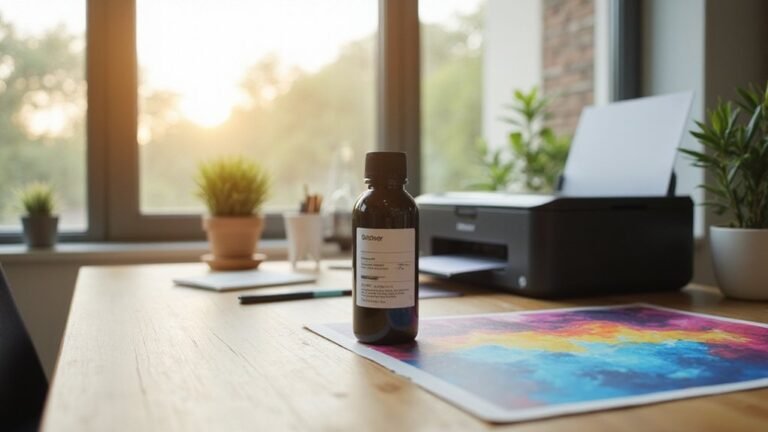
You can buy sublimation ink from a variety of sources depending on your needs. Online marketplaces like Amazon offer a wide selection of brands, including third-party options like Hippo Ink and Printers Jack. Amazon is popular for its fast Prime shipping and straightforward return process, plus it makes comparing prices among brands simple. Sublimation ink is compatible with most Epson EcoTank printers when used with the right software and settings, making it accessible for many users. Specialty suppliers such as Johnson Plastics Plus, Condé Systems, and USCutter sell sublimation ink directly. These suppliers often bundle inks with compatible printers, transfer paper, and accessories, making it convenient to get everything in one purchase. When choosing where to buy, consider factors like brand reputation, price differences, and the supplier’s reliability to ensure you get quality ink that works well with your equipment. Additionally, researching print compatibility can help prevent issues with the ink and your printer. It’s also wise to look into product reviews to gauge other users’ experiences and satisfaction with specific inks and suppliers. Being aware of ink quality standards can further help you select the best sublimation ink for your projects.
How Do I Choose the Best Sublimation Ink for My Printer?
Choosing the best sublimation ink for your printer starts by verifying compatibility with your specific model. First, identify your printer’s architecture—whether it’s an Epson EcoTank, Sawgrass, or SureColor F-series—as each requires different ink formats. The chemistry of the ink also matters; high-quality sublimation ink should offer vibrant colors, a wide color gamut, and fade resistance to ensure long-lasting results. Cartridge compatibility is crucial—some printers use brand-specific cartridges or original equipment manufacturer (OEM) systems, while others can be converted to work with third-party bottled inks. For example, EcoTank models are easier to convert thanks to their refillable tanks, whereas Sawgrass printers are designed to work seamlessly with their proprietary cartridges. Always double-check that the ink matches your printer’s specifications to avoid leaks, clogs, or print quality issues. Understanding the different ink technologies and their compatibility is essential for selecting high-quality sublimation ink, as this will ensure that your printing projects will have vibrant, durable results suited to your needs. Additionally, being aware of sublimation ink chemistry can help you choose inks that are safer and more environmentally friendly. Recognizing the impact of ink formulation on print quality can help you make more informed choices when selecting inks.
What Features Make Sublimation Ink Stand Out? Key Performance Factors
High-quality sublimation ink stands out primarily through its performance in several key areas that directly influence your final results. First, look for inks with excellent color fastness, which resist fading after multiple washes and prolonged exposure to sunlight. This ensures your prints remain vibrant and durable over time. Strong color reproduction and saturation are crucial for achieving vivid, true-to-design images, which depend on high pigment quality and a wide color gamut.
Particle fineness is another important factor; finer particles support cleaner nozzle operation and enable sharper details in your prints. Compatibility with your printhead is essential to prevent clogging and to maintain consistent, high-quality output. Good fluidity and anti-sedimentation properties allow for smooth printing runs and reduce interruptions, especially during extended production sessions.
Chemical stability enhances transfer durability by maintaining ink performance throughout the sublimation process. Additionally, environmentally friendly formulations help minimize ecological impact without sacrificing quality. Cost-effective options allow you to balance high performance with budget considerations, ensuring you get the best value for your investment.
Tips for Buying Sublimation Ink That Delivers Vivid, Long-Lasting Results
To guarantee vivid, long-lasting results, choose sublimation ink that is compatible with your specific printer model and cartridge system. Compatibility must be confirmed before purchase to prevent issues such as poor ink flow or clogging. Focus on inks formulated explicitly for sublimation, as they are designed to produce optimal color saturation and clarity, unlike general dye inks. These specialized inks help achieve vibrant colors, especially important for photo-heavy designs.
Test the ink with sample prints to evaluate color intensity and vibrancy before committing to larger projects. Prioritize inks with proven fade resistance and durability, ensuring your transfers maintain their quality through sunlight, washing, and scrubbing. A stable formulation reduces risks of clumping, clogging, or inconsistent color output, making your printing process smoother.
Check batch traceability and proper storage instructions to maintain ink quality over time. Finally, purchase from reputable sellers who offer sample options and have positive customer reviews—this way, you minimize risks and ensure consistent, high-quality results.
Questions to Ask Before Purchasing Sublimation Ink
Before purchasing sublimation ink, it’s crucial to verify compatibility, quality, and performance. Check that the ink matches your printer’s model, especially regarding printhead and ink system, whether tanks or cartridges. Ensure the ink is designed specifically for your printer type, such as Epson or Ricoh, and avoid generic labels that lack supporting details. Confirm whether the packaging is in bulk bottles or cartridges, and see if refill tools are included to simplify refilling. It’s also helpful to consult compatibility guides to ensure you’re selecting the right ink for your specific printer setup.
Investigate quality controls like anti-sedimentation data and technical documents that assure ink stability and freshness over time. Review performance claims focusing on color accuracy, fade resistance, and black density, and always examine test samples if available. Pricing should reflect quality, so compare trends and weigh them against brand reputation. Stick with reputable suppliers who offer clear return policies and demonstrate positive feedback from other users. Additionally, consider the benefits of 3D scanner integration for higher-quality projects and streamlined workflows.