If you’ve ever struggled with blades catching or dulling quickly when cutting, a self-healing cutting mat might be just what you need. These mats stay smooth and intact after repeated cuts.
They protect your work surface and help keep your blades sharp. Want to know how they work and how to find the right one? Keep reading for all the details.
What Is a Self-Healing Cutting Mat and How Does It Work?
A self-healing cutting mat works by using a layered, resilient material that absorbs cuts and then recovers its shape. Made from multi-layer PVC or thermoplastic elastomers, these mats are designed to withstand repeated slicing without showing permanent damage. When you cut into the surface, the blade separates tiny particles within the top layer instead of making a clean, through-cut. Once you lift the blade, the material’s self-healing properties cause these particles to spring back into place, closing the cut and restoring the smooth surface. This process maintains a flat, even surface for precise cuts over time. The layered construction balances flexibility for easy cutting with stability for accuracy, while also protecting your work surface and extending the life of your blades. Understanding the material composition of self-healing mats helps in selecting the right one for durability and performance. Additionally, choosing a high-quality material ensures your mat remains effective and durable through extensive use. This self-healing property is what makes these mats highly valued by crafters and professionals alike for their longevity and reliability.
What Materials Are Used in Self-Healing Cutting Mats?
Self-healing cutting mats are made from specialized layered polymer materials designed to withstand repeated cuts while maintaining a smooth surface. The most common material is PVC (Polyvinyl Chloride), which is often constructed with multiple layers for durability. These layers usually include a soft PVC top layer that absorbs blade cuts and hides scoring, a firmer PVC core for structural stability, and adhesive layers that bond everything securely. Some mats utilize polypropylene (PP) as a recyclable alternative, with layers incorporated on the surface or within the mat. Others incorporate thermoplastic elastomers (TPE), valued for their flexibility and resilience, helping the surface bounce back after cuts. The layered polymer construction ensures that the mat can hide cuts, retain strength, and deliver long-lasting performance. layered polymer construction is essential for maintaining the durability and effectiveness of these mats over time, especially since the materials are designed to be self-healing after each cut. Additionally, the self-healing properties of these mats are achieved through the careful composition of the layers, allowing them to recover quickly from minor damage.
Types and Sizes of Self-Healing Cutting Mats: Which One Is Right for You?
Self-healing cutting mats are available in a variety of sizes, with 12×12 inches and 24×36 inches being among the most common. The 12×12 inch mat is compact and portable, ideal for small projects or workspace with limited space. It’s easy to store and transport, making it suitable for hobbyists or craft enthusiasts who need mobility. The larger 24×36 inch mat offers a spacious surface for bigger projects, such as quilting or pattern cutting, and provides more room for multiple tools and materials. When selecting a size, consider your typical project scope and workspace size to ensure comfortable maneuverability and efficiency. Thicker mats, around 1/4 inch or 3 mm, tend to be more durable against blade penetration and last longer with frequent use. Matching the size and thickness of your mat to your specific needs helps optimize safety, precision, and longevity. Additionally, choosing a self-healing material can enhance the durability and lifespan of your cutting surface. Properly maintaining the mat, such as cleaning it regularly and avoiding excessive force, also helps preserve its self-healing properties. Exploring different cutting mat materials further can help you choose the best one for your needs.
Benefits of Using a Self-Healing Cutting Mat for Crafts and Sewing
A self-healing cutting mat offers numerous advantages that enhance your crafting and sewing experience. It protects your work surface by absorbing cuts, scratches, and dents, which helps keep your workspace looking professional and damage-free. This feature extends the lifespan of your tools and materials while maintaining a clean workspace. The ergonomic design supports smoother and more efficient cutting by absorbing pressure, which extends blade life and reduces friction. This results in more precise cuts, making it easier to achieve straight lines, intricate shapes, and accurate measurements. Its self-repairing surface recovers quickly from small incisions, maintaining a smooth cutting area for repeated use and offering long-term value. Additionally, these mats are versatile and suitable for a variety of crafts, including sewing, quilting, paper crafts, and leatherwork. Many designs also feature built-in storage options for tools, allowing you to keep essentials within reach and streamline your workspace for more efficient crafting. When choosing a cutting mat, consider the durability and cost-effectiveness to ensure it fits your project’s needs. Moreover, understanding how self-healing technology works can help you select the most effective mat for your specific projects.
Signs Your Self-Healing Cutting Mat Needs Replacing
Deep cuts, gashes, or grooves that remain visible after cleaning are clear signs your self-healing cutting mat needs replacing. As the surface sustains damage, its ability to recover diminishes, making cuts less precise and the surface prone to further wear. If cuts no longer close up and the surface looks worn or uneven, your mat’s self-healing function has significantly weakened. Increased blade resistance, or drag, indicates the top layer is worn down, causing blades to dull faster and requiring more effort during cutting. Fabric snagging, rough surface areas, or frayed edges also point to deterioration. Visible signs of wear such as fading, warping, or unevenness further compromise the mat’s usability and accuracy. When these signs persist despite cleaning and maintenance, it’s time to replace your self-healing mat to preserve cutting precision and ease of use.
How to Care for and Maintain Your Cutting Mat
To care for and maintain your self-healing cutting mat, regular cleaning and proper storage are essential. After each use, wipe the surface with a soft cloth to remove fibers, dust, and debris that can accumulate over time. Gently lift fuzz from cut lines with a soft brush, being careful not to scrub too hard, which could damage the surface. Promptly remove pencil marks and tape residue to prevent buildup that can interfere with precision cuts. For a thorough clean, soak the mat in cool water mixed with a small amount of white vinegar and dish soap, then rinse thoroughly to eliminate any leftover residue. Dry the mat flat with a lint-free cloth and allow it to air dry, avoiding exposure to heat and sunlight that can warp or discolor the surface. Maintaining the self-healing properties of your mat is crucial for its longevity, so avoid using harsh chemical cleaners that could damage the surface. When not in use, store your cutting mat flat and out of direct sunlight to preserve its self-healing properties. Proper cleaning extends the life of the mat by ensuring the surface remains smooth and durable. Consistent care, gentle handling, and proper storage will extend the lifespan of your mat and keep its surface smooth, durable, and ready for accurate cuts.
Tips to Extend the Life of Your Self-Healing Cutting Mat
To maximize the lifespan of your self-healing cutting mat, proper maintenance and careful usage are key. Always use sharp blades and cut at a 90-degree angle to prevent deep grooves and uneven wear that can compromise the surface. Rotate the mat monthly to ensure even distribution of usage across different areas, much like rotating crops in gardening for healthier growth. Self-healing cutting mats are designed to repair minor surface cuts, but excessive damage can reduce their effectiveness. Regularly remove lint, fibers, and debris with a soft cloth or brush to keep the surface clean. For stubborn grime, soak the mat briefly in lukewarm water with mild detergent or vinegar, which helps loosen embedded dirt without damaging the material. Being mindful of the mat’s surface integrity by avoiding sharp or excessive pressure can further prevent unnecessary damage. Additionally, understanding the material’s repair capabilities can help set realistic expectations for how much damage the mat can recover from. Proper storage, such as keeping the mat flat and away from direct sunlight, decreases the risk of warping or heat-related damage. Knowing how humidity affects self-healing surfaces can also aid in maintaining optimal conditions for durability and longevity. Store the mat flat, away from direct sunlight and heat sources, to avoid warping or warping-related damage over time. Limit heavy or concentrated use to specific sections, avoiding placing hot or heavy objects directly on the surface. Proper care—including gentle cleaning, correct storage, and mindful handling—can significantly extend the mat’s life, often beyond the typical three to five years of expected use.
Self-Healing vs. Traditional Cutting Boards: What’s the Difference?
Self-healing cutting mats are a clear choice for crafts and precision work because of how they differ from traditional cutting boards. Made from layered PVC or polypropylene composites, they have a surface that reseals after each cut, preventing permanent damage. This means the surface stays smooth and consistent over time, which is crucial for detailed projects like quilting or model building. The layered composite material allows the surface to recover quickly after being cut, ensuring long-lasting usability. Traditional boards, whether wood, bamboo, or plastic, tend to develop grooves and scratches from repeated cuts. Wood, especially end-grain styles, is gentler on blades but does not regenerate after damage. Plastic boards can accumulate shallow grooves, making them less smooth and harder to clean thoroughly. Self-healing mats reduce blade friction, which helps blades stay sharper longer and limits dulling. Because they resist permanent cuts, these mats are more durable for repeated use in craft work, providing a consistent cutting surface that maintains quality over time. Additionally, self-healing properties contribute to less cleanup and maintenance, making them a more practical option for various crafts.
How to Choose the Best Self-Healing Cutting Mat for Your Projects
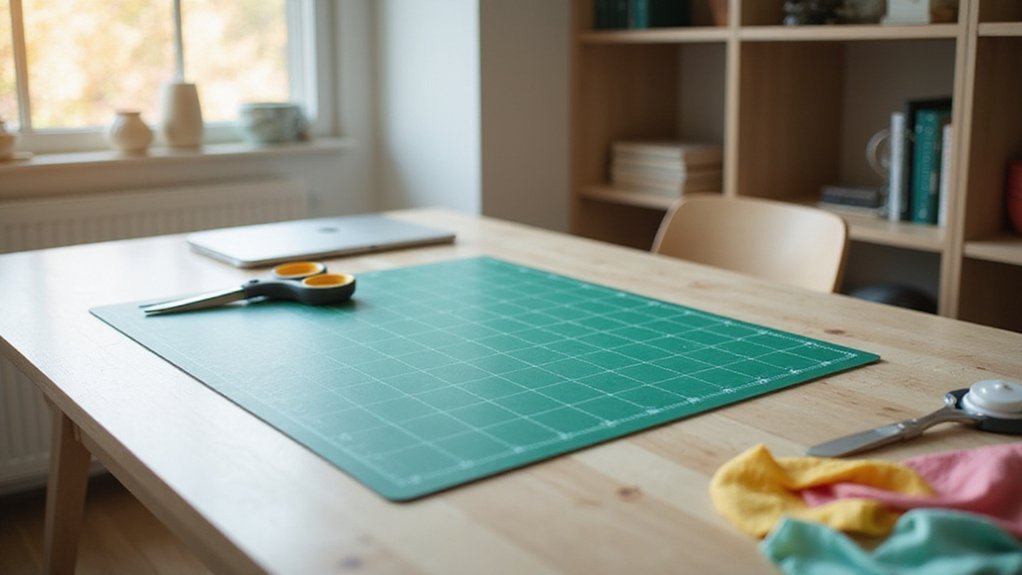
The material and construction of your self-healing cutting mat are crucial for durability and resilience. Look for a PVC layer or a similar polymer, as these materials provide the toughness needed for heavy use without quickly wearing down. Thicker mats, typically between 3 to 5 millimeters, offer more stability and longevity, especially when working with thick fabrics or multiple layers. The quality of the construction also influences how well the mat heals after cuts; tightly bonded layers prevent grooves from lingering and ensure a smooth surface over time. Matching the size and thickness to your workspace ensures comfort and efficiency—larger mats are ideal for fabric or quilting projects, while smaller, portable mats suit basic craft or traveling needs. Prioritize mats with surface features like grid lines and measurement guides, which help you cut accurately and align your projects without additional tools. Proper maintenance, including using sharp blades and rotating the mat regularly to distribute wear, is key to extending its lifespan and maintaining a smooth, damage-free surface.
Frequently Asked Questions About Self-Healing Cutting Mats
Self-healing cutting mats work by using flexible surface materials that close minor cuts over time, maintaining a smooth surface for safer and more precise cutting. These mats can absorb small nicks and scratches, reducing visible scars after each use. However, they do not eliminate deep cuts or damage from repeated heavy use in the same area. Rotating your mat regularly helps distribute wear evenly, prolonging its useful life. To keep your mat in good condition, clean it with cool water and mild soap instead of hot water or heat sources, which can warp the material. Clearing debris with a soft brush also improves cutting safety and prevents uneven cuts. Keep in mind, even with self-healing properties, these mats are consumable tools that need proper care and eventual replacement to ensure optimal performance.