Wondering how long your heat tape will last before it needs replacing? The lifespan can range from 3 to 10 years for most models.
But high-quality, self-regulating tapes can go up to 25 years with proper care.
Several factors influence durability, including material quality, installation, and environment.
Keep reading to learn how to extend the life of your heat tape and ensure it works safely.
How Long Does Heat Tape Usually Last?
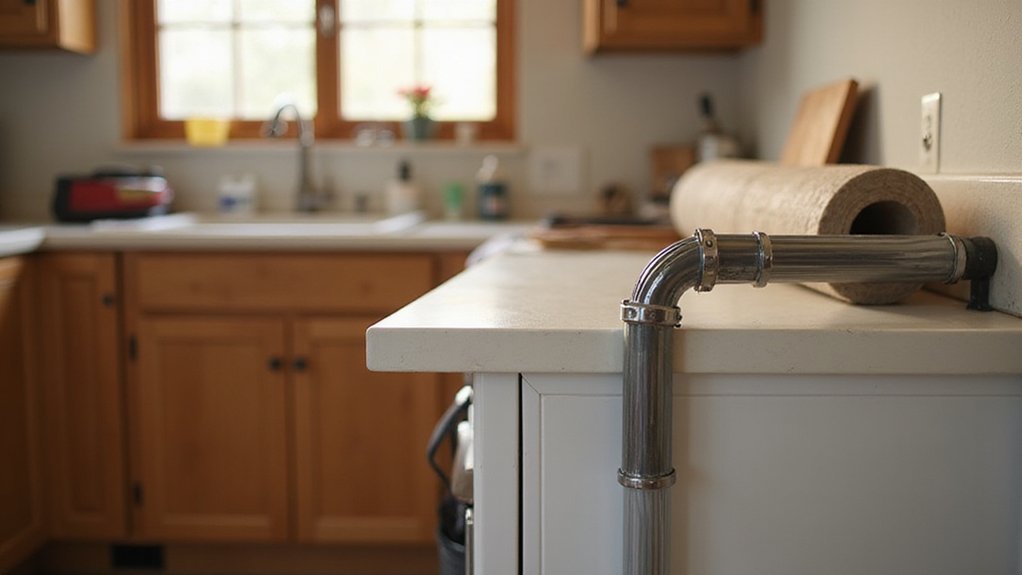
Heat tape generally lasts between 3 and 10 years, with lifespan influenced by product quality, installation, and usage conditions. High-quality, self-regulating cables can last 15 to 25 years, offering greater durability and energy efficiency. Conversely, lower-end constant wattage or basic tape-style products often need replacement after just 3 to 4 years due to wear and environmental exposure. Proper maintenance and careful selection of the type of heat tape used also play a significant role in extending its lifespan. Proper installation is crucial for maximizing the tape’s lifespan. Ensuring secure mounting, avoiding unnecessary bending, and protecting the cable from moisture and physical damage help it resist deterioration. The environment where the tape is used also matters; for example, roof heat tapes tend to need replacing earlier—typically after 3 to 5 years—compared to pipe freeze protection cables, which often last longer. Choosing the right type of heat tape based on environmental factors can significantly influence its longevity. Additionally, selecting heat tapes with higher durability ratings can make a notable difference in how long they perform well under various conditions. Proper usage and regular inspection can prevent early failures. Always follow manufacturer instructions for installation and maintenance. Regularly inspecting your heat tape for signs of damage, such as cracks, fraying, or irregular heating, can help you determine when replacement is necessary. Overall, expect basic heat tape to last around 3 years, while investing in higher-quality options can extend this significantly.
What Factors Affect the Lifespan of Heat Tape?
Several key factors influence how long your heat tape will last, and understanding them can help you extend its lifespan. Material durability is crucial; higher-quality materials are more resistant to wear, overheating, and environmental damage, which prolongs the tape’s effectiveness over time. Manufacturing standards also play a significant role—reputable brands tend to produce tapes with better cable construction, insulation, and protective jackets, all of which contribute to increased longevity. Proper installation is essential for ensuring your heat tape lasts as long as possible. Mistakes such as improper connections or overlapping sections can lead to overheating and early failure, even with high-quality products. Ensuring a correct, secure, and manufacturer-recommended installation prevents unnecessary stress on the tape. Additionally, following installation guidelines helps maintain the integrity of the heat tape and prevents damage during setup. Operating temperatures and heat exposure directly impact lifespan. Continuous exposure to high temperatures accelerates material degradation, especially near other heat sources or in extremely cold environments. Keeping the heat tape within its specified temperature range minimizes premature wear. Environmental conditions, including moisture, snow, and chemicals, can weaken the tape over time. Moisture infiltration may cause corrosion or electrical shorts, while chemicals can deteriorate insulation and protective jackets. Proper moisture protection techniques are essential to safeguard the wiring from environmental damage. Regular inspections help identify early signs of environmental damage. Mechanical stress and proper maintenance affect longevity. Mechanical stresses like pulling, squeezing, or bending beyond recommended limits cause physical damage. Additionally, using proper insulation techniques and following manufacturer guidelines can significantly reduce the risk of damage. Routine inspections and prompt repairs of any signs of wear, such as cracks or fraying, prevent premature failure and extend the overall lifespan of the heat tape.
How Can I Tell If My Heat Tape Is Failing?
To tell if your heat tape is failing, start by visually inspecting it for signs of damage. Look for cuts, nicks, abrasions, or melted spots that indicate deterioration. Cracks, kinks, or crushed jackets are signs of aging or physical damage. Exposed wires or sections where the insulation is hanging loose suggest the protective covering has been compromised.
Next, check the performance. If your pipes are not heating during cold weather, or if you notice ice buildup around the pipes, the heat tape may not be functioning properly. Persistent condensation or unexpected moisture around the area can also indicate failure.
Electrical checks are crucial. Ensure the power cord is firmly plugged in, and verify that the circuit breaker hasn’t tripped. Test the thermostat to confirm it is working correctly. Use a multimeter to measure resistance, which should typically read between 10 and 100 ohms. Readings outside this range often point to internal faults within the tape.
When you observe corrosion, recurrent damage, or consistent failure to heat properly despite troubleshooting, it’s time to replace the heat tape. Costs vary depending on age and extent of damage but generally reflect the need for a full replacement to ensure safety and performance.
Tips to Maintain and Extend Your Heat Tape’s Life
Regular inspections are crucial for maintaining your heat tape’s performance and safety. Check your tape at least once per season; if you use it heavily or it’s exposed to harsh conditions, inspect it monthly. Look carefully for frayed insulation, burns, cracks, loose connections, or other signs of wear and damage. Always test that the cable still warms properly during these inspections. Promptly replacing any deteriorated sections helps keep energy consumption efficient and reduces safety risks. Proper installation habits also extend your heat tape’s lifespan. Keep the cable directly on the pipe without overlaps, and avoid tight bends that can cause stress and damage. When not in use, protect the tape from exposure to moisture, sunlight, chemicals, and combustible materials. Store it in a clean, dry place to prevent deterioration. During the off-season, unplug or turn off the heat tape unless the manufacturer states continuous operation is safe and supported. Following these practices ensures your heat tape maintains peak performance and lasts longer. Additionally, understanding the life expectancy of heat tape and how to properly care for it can significantly enhance its longevity.
Safety Tips for Installing and Replacing Heat Tape
Before installing or replacing heat tape, always unplug it first to guarantee safety. This critical step helps prevent electrical shocks and reduces the risk of accidents during maintenance. Carefully inspect the entire length of the tape for cracks, charred insulation, exposed wires, or any signs of wear. Replace damaged tape immediately to avoid potential fire hazards. When mounting, follow the manufacturer’s instructions precisely and ensure the tape makes full contact with the pipe surface. Avoid overlaps and twists, as they can cause overheating and reduce effectiveness. Secure the tape at regular intervals with appropriate fasteners or clips that do not damage the outer jacket. Do not cover the tape with insulation unless explicitly approved by the manufacturer, and if insulation is used, select non-flammable materials for safety. When needed, always use approved termination kits and external temperature controls to maintain safe operation. Regularly check your installation and conduct routine maintenance to identify issues early, ensuring your heat tape functions safely and efficiently. Additionally, inspecting the wear and tear of heat tape regularly can help prevent unexpected failures and extend its lifespan, especially considering the importance of proper installation and maintenance in prolonging its durability. Proper monitoring of electrical systems is essential to detect any anomalies that could compromise safety.