Struggling to get vibrant, lasting prints on dark shirts? Sublimation isn’t typically suited for dark fabrics.
But with the right technique—like adding a white or light-colored base layer—you can achieve impressive results.
By the end of this guide, you’ll understand how to prep, layer, and press for bright, durable sublimation on dark garments.
Why You Need a Special Base Layer for Sublimation on Dark Shirts
A white base layer is essential for sublimation on dark shirts because it provides opacity and reflects vibrant colors properly. Dark fabrics tend to absorb sublimation dyes, which results in dull, muted images. Applying a white underbase acts as a reflective backdrop, ensuring the colors from your digital design appear bright and true to the original. It prevents the dark fabric’s color from bleeding through your print and helps achieve accurate color correction. This layer also enhances the durability of the design, making it more resistant to fading and wear over time. Using the right base layer is key to creating sharp, vibrant, and long-lasting sublimation prints on dark garments. Additionally, understanding how materials interact with heat can help you optimize your sublimation process for the best results. Being aware of heat transfer properties also assists in selecting the proper equipment and techniques to ensure your design remains vivid and intact. Proper selection of the base layer material is crucial for achieving consistent and high-quality results in dark sublimation printing.
How to Choose the Best Base Layer for Dark Shirt Sublimation
The best base layer for sublimation on dark shirts is a white heat transfer vinyl (HTV). It provides high contrast and a solid white background that makes vivid colors pop and monochrome images stand out. Light-colored or transparent HTV can be used with a white layer underneath to create layered effects, but they still require a white base for best results. Glitter HTV offers decorative flair, especially over black or dark fabrics, but it also needs a white or light background layer to produce bright, durable images. Focus on fabric compatibility: polyester-rich fabrics absorb dye better, but even dark polyester fabrics need a light base to achieve vibrant colors. Selecting the right base layer involves considering heat tolerance and adhesion properties to ensure a long-lasting and vibrant design. Ensure your chosen base layer tolerates sublimation temperatures of around 350°F to 400°F. Apply medium pressure for proper adhesion and allow for adequate cooling before removing the transfer. The priority is selecting the lightest opaque base layer possible, as it provides a strong foundation for color layering on dark shirts. Using permanent vinyl as a base layer can also be effective because of its durability and strong adhesion, especially when dealing with challenging fabrics. Proper base layer choice maximizes vibrancy, durability, and visual impact of your sublimation designs on dark fabrics.
Step-by-Step: Applying Sublimation on Dark Fabrics Using HTV and Pre-Made Patches
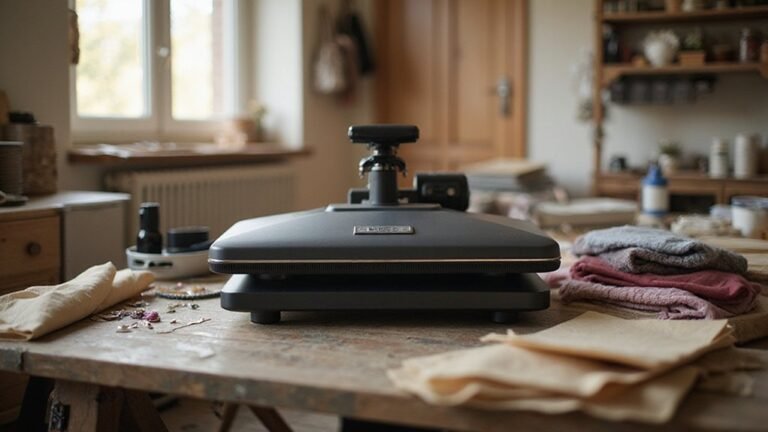
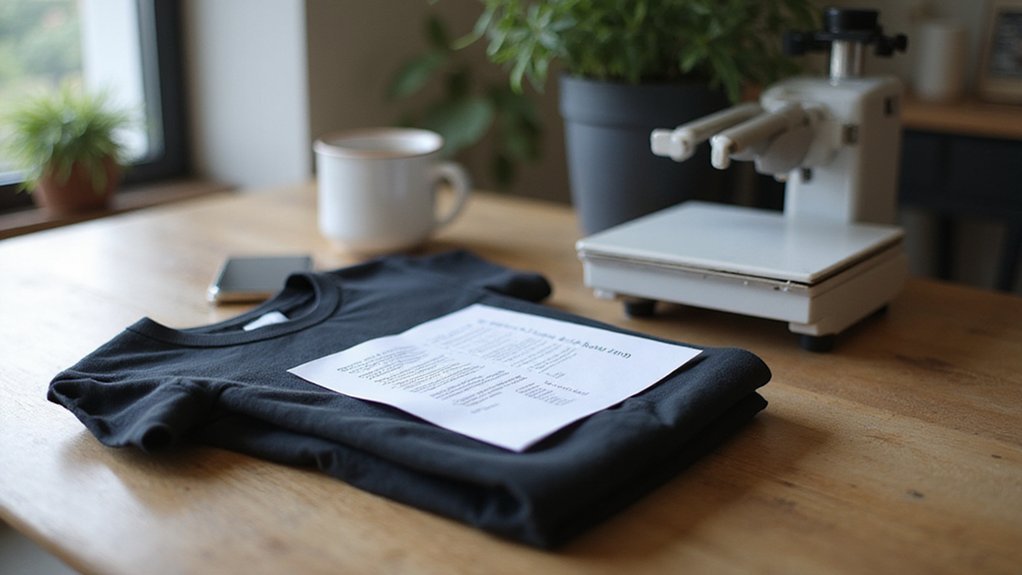
To achieve vibrant sublimation on dark fabrics, start by applying heat transfer vinyl (HTV) to your dark shirt. Press it at 320°F to 340°F with medium pressure for 10–20 seconds. Peel the HTV while still warm to create a solid base layer, which helps the sublimation inks transfer vividly. Next, position your sublimation print face down on the HTV layer, ensuring precise alignment. Use a heat press set at 375°F to 400°F for 25–60 seconds, applying medium to heavy pressure for the best transfer. For pre-made patches, press the sublimation-ready patch onto the garment first, then transfer the design onto the patch surface in the same manner. Proper heat, pressure, and alignment are crucial for high color vibrancy and successful results. Understanding cutting mats can also help ensure your materials are properly secured during pressing for more accurate results, especially since material protection can influence the quality of your final transfer. Incorporating insights from permanent vinyl options can also enhance the durability of your designs on dark shirts.
How to Achieve Vibrant Colors and Perfect Alignment on Dark Shirts
Applying a light-colored base layer, such as white glitter HTV or pre-made white patches, is essential for achieving vibrant sublimation colors on dark shirts. This layer acts as a reflective surface, preventing the shirt’s dark fabric from dulling the transfer’s brightness and helping colors appear more vivid. It also enhances color fastness, so your design remains vibrant after multiple washes. To maximize color richness, use sublimation-specific materials like polyester fabrics and sublimation inks, which are designed to produce deep, vibrant colors. Proper heat settings—generally between 370°F and 400°F—ensure the ink adheres well without burning the surface. Sublimation inks are formulated to bond with polyester fibers, making them ideal for bright, durable results. Precise placement is crucial; tools like heat-resistant tape and registration marks help align your design perfectly. Pre-pressing the shirt beforehand reduces movement and wrinkles, resulting in more consistent and crisp color deployment and clean, symmetrical designs.
Common Mistakes and Solutions for Dark Shirt Sublimation
The most common mistake in dark shirt sublimation is using the wrong fabric or blank, which can prevent the transfer from producing vibrant, lasting images. To achieve ideal results, ensure your fabric contains at least 65% polyester, as lower polyester content reduces ink compatibility and diminishes color saturation. Using untreated or incompatible blanks, such as untreated cotton or surfaces not designed for sublimation, often results in faded images or no transfer at all. Proper transfer timing is essential—press at the correct temperature, pressure, and duration; too short a time can lead to dull or incomplete images, while too long can cause damage or ghosting. Fading or ghosting frequently occurs when the heat isn’t evenly distributed or the timing isn’t precise. Always check the fabric specifications and follow manufacturer instructions for your inks and transfer paper to avoid these common pitfalls and ensure vibrant, durable results. Choosing the right fabric is crucial, as even high-quality polyester blends that are below 65% can negatively impact the durability of the transfer.