Are you curious how 3D printing is transforming the way we build homes? From tiny, affordable spaces to sprawling eco-friendly residences, these innovations showcase the potential to rethink housing design. With advanced materials and faster construction times, 3D printed homes can be more durable, customizable, and sustainable. But choosing the right printer matters — it determines quality, speed, and possibilities. Ready to explore the top six 3D houses setting a new standard? There’s more to uncover…
| Entina TINA2S 3D Printer with WiFi Auto Leveling |  | Best for Beginners | Build Size: 3.9 × 4.7 × 3.9 inches | Compatibility: Open-source, Cura, Simplify3D | Connectivity: WiFi, USB, TF card, app | VIEW LATEST PRICE | Read Our Analysis |
| AOSEED 3D Printer for Kids with Models & Filaments |  | Family-Friendly Choice | Build Size: Not specified (small model focus) | Compatibility: iOS, Android, Windows apps | Connectivity: Wi-Fi, app, remote monitoring | VIEW LATEST PRICE | Read Our Analysis |
| Anycubic Kobra X 3D Printer 4-Color Fast & Easy |  | Professional Grade | Build Size: 260x260x260mm (~10.2×10.2×10.2 inches) | Compatibility: Various filaments, software support unspecified | Connectivity: USB, SD card support | VIEW LATEST PRICE | Read Our Analysis |
| Creality Ender 3 3D Printer with Resume Function | 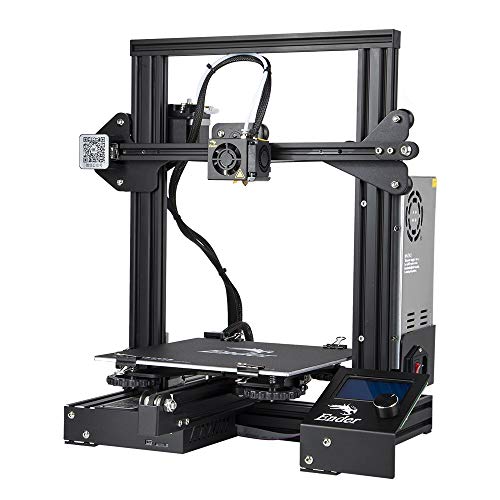 | DIY Enthusiast | Build Size: 8.66 × 8.66 × 9.84 inches | Compatibility: SD card, computer connection | Connectivity: SD card, computer connection | VIEW LATEST PRICE | Read Our Analysis |
| Creality K2 Pro 3D Printer with Dual AI Cameras | 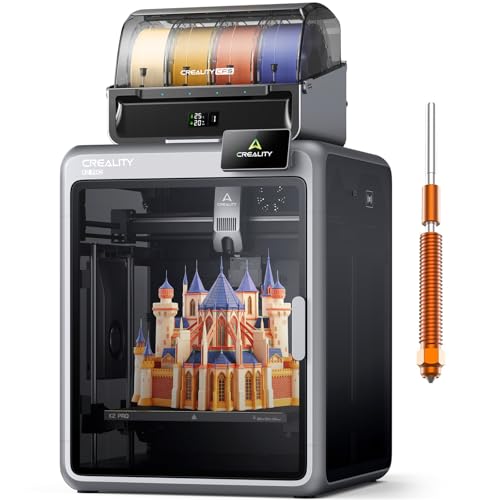 | Large-Volume Innovator | Build Size: 300×300×300mm (~11.8×11.8×11.8 inches) | Compatibility: Creality Print, Cura, WiFi, LAN | Connectivity: WiFi, LAN, remote control, OTA updates | VIEW LATEST PRICE | Read Our Analysis |
| Entina Tina2C 3D Printer for Kids & Beginners |  | Kid-Friendly Entry | Build Size: 3.9 x 3.9 x 3.9 inches | Compatibility: Windows, macOS, Linux, Chromebook | Connectivity: WiFi, app | VIEW LATEST PRICE | Read Our Analysis |
More Details on Our Top Picks
Entina TINA2S 3D Printer with WiFi Auto Leveling
If you’re just starting out with 3D printing, the Entina TINA2S with WiFi and auto-leveling features is a smart choice. It’s compact, fully assembled, and easy to use, perfect for beginners, kids, or small projects. Its enclosed build area keeps things tidy, and the dual-Z axes provide extra stability to guarantee smooth prints. The flexible spring steel build plate makes model removal a breeze and minimizes warping. Plus, with WiFi connectivity, you can transfer files quickly—no more fiddling with cords. Its quiet operation, auto bed leveling, and preloaded models mean you can jump right in and focus on creating.
- Build Size:3.9 × 4.7 × 3.9 inches
- Compatibility:Open-source, Cura, Simplify3D
- Connectivity:WiFi, USB, TF card, app
- Automated Features:Auto bed leveling, quick maintenance
- Safety/Design:Enclosed build, quiet operation
- Educational/Creative Support:1500+ models, STEM activities
- Additional Feature:Supports multiple slicing software
- Additional Feature:Instant print-start capability
- Additional Feature:Integrated monitoring LED
AOSEED 3D Printer for Kids with Models & Filaments
Looking for a family-friendly choice to spark your kids’ creativity? The AOSEED 3D Printer for Kids is a fantastic option. It’s fully assembled and super safe—enclosed design, pinch-resistant features, and TÜV Rheinland-tested PLA filament make it kid-friendly. Kids can print over 8,000 digital toy models, or design their own using voice, text, or images—no fancy skills needed. Plus, with Wi-Fi, voice control, and a helpful app, operation is simple. In about 20 minutes, small projects are done and ready to play with. The kit includes eight filaments, tools, and stickers, making setup a breeze and creative fun nonstop.
- Build Size:Not specified (small model focus)
- Compatibility:iOS, Android, Windows apps
- Connectivity:Wi-Fi, app, remote monitoring
- Automated Features:Automatic bed leveling, quick setup
- Safety/Design:Enclosed, pinch-resistant, safe for kids
- Educational/Creative Support:8,000+ digital models, DIY modules, AI tools
- Additional Feature:Voice control enabled
- Additional Feature:Quick filament change
- Additional Feature:Includes comprehensive starter kit
Anycubic Kobra X 3D Printer 4-Color Fast & Easy
The Anycubic Kobra X is a professional-grade 3D printer that makes multi-color house models easier and faster to create. It’s perfect if you want detailed, vibrant designs without the hassle. With a big build volume of 260x260x260mm, it supports many materials like PLA, PETG, TPU, and ASA, giving you lots of flexibility. Its quick setup—under 15 minutes—and automatic bed leveling with 49-point calibration save time and frustration. The four-color support, expandable to 19 colors, makes your models pop with life. Plus, features like a quiet operation, filament sensors, and an AI-powered camera keep you in full control and guarantee a smooth printing experience.
- Build Size:260x260x260mm (~10.2×10.2×10.2 inches)
- Compatibility:Various filaments, software support unspecified
- Connectivity:USB, SD card support
- Automated Features:Auto bed leveling, power loss recovery
- Safety/Design:Steel nozzles, safety features not specified
- Educational/Creative Support:Multi-color, artistic, and creative features
- Additional Feature:High-speed up to 600mm/s
- Additional Feature:Vibrations compensation system
- Additional Feature:Expandable up to 19 colors
Creality Ender 3 3D Printer with Resume Function
For any DIY enthusiast wanting a reliable 3D printer, the Creality Ender 3 with its resume function is a game-changer. It’s a solid choice for building models, especially if you’re worried about power outages ruining your project. With a build volume of about 8.66 by 8.66 by 9.84 inches, it offers enough space for creative projects. It heats up fast — reaching 100°C in just five minutes — and the resume feature kicks in if power goes out, saving you from starting over. Its open-source design encourages tinkering, and simplified assembly makes setup feel less intimidating. The Ender 3 proves that reliable, affordable 3D printing is totally achievable.
- Build Size:8.66 × 8.66 × 9.84 inches
- Compatibility:SD card, computer connection
- Connectivity:SD card, computer connection
- Automated Features:Resume function, auto bed leveling (implied)
- Safety/Design:Safety features not highlighted, open design
- Educational/Creative Support:Model library, STEM modules
- Additional Feature:Open-source hardware
- Additional Feature:Large build volume
- Additional Feature:Supports direct and SD printing
Creality K2 Pro 3D Printer with Dual AI Cameras
As a large-volume innovator in 3D printing, the Creality K2 Pro stands out for its impressive size and smart features. You’ll appreciate its massive build volume of 300 by 300 by 300 millimeters, perfect for big projects or multiple small parts at once. Its compatibility with various filaments like PLA, ABS, and even carbon fiber makes it versatile for different needs. Plus, the dual AI cameras give it a serious upgrade—they monitor your prints 24/7, detect failures early, and even record time-lapses. With features like automatic filament identification, high-speed printing, and intelligent environmental control, this printer combines speed, size, and smarts for your most ambitious creations.
- Build Size:300×300×300mm (~11.8×11.8×11.8 inches)
- Compatibility:Creality Print, Cura, WiFi, LAN
- Connectivity:WiFi, LAN, remote control, OTA updates
- Automated Features:Auto leveling, filament detection
- Safety/Design:Large chamber, safety-integrated environment
- Educational/Creative Support:Multi-material, high-speed creative projects
- Additional Feature:Active chamber heating
- Additional Feature:Automatic filament identification
- Additional Feature:Remote monitoring via cameras
Entina Tina2C 3D Printer for Kids & Beginners
If you’re looking for a kid-friendly entry into 3D printing, the Entina Tina2C stands out as a smart choice. Small enough to fit comfortably on a desk or shelf, it measures 8 by 6.5 by 10 inches and offers a build volume of nearly 4 inches in each direction. Its quiet motor and rounded edges make it safe and less intimidating for children and beginners. The included LED lighting helps with visibility, and quick setup via the Poloprint Cloud app takes just around 8 minutes. Plus, features like automatic bed leveling and magnetic build plates simplify operation, so you can focus on creating fun, colorful projects with ease.
- Build Size:3.9 x 3.9 x 3.9 inches
- Compatibility:Windows, macOS, Linux, Chromebook
- Connectivity:WiFi, app
- Automated Features:Auto bed leveling, filament runout detection
- Safety/Design:Compact, protected edges, quiet operation
- Educational/Creative Support:STEM courses, AI features, creative models
- Additional Feature:Cloud-based model library
- Additional Feature:Self-cleaning nozzle
- Additional Feature:Built-in LED illumination
Factors to Consider When Choosing a House Printed With 3D Printer
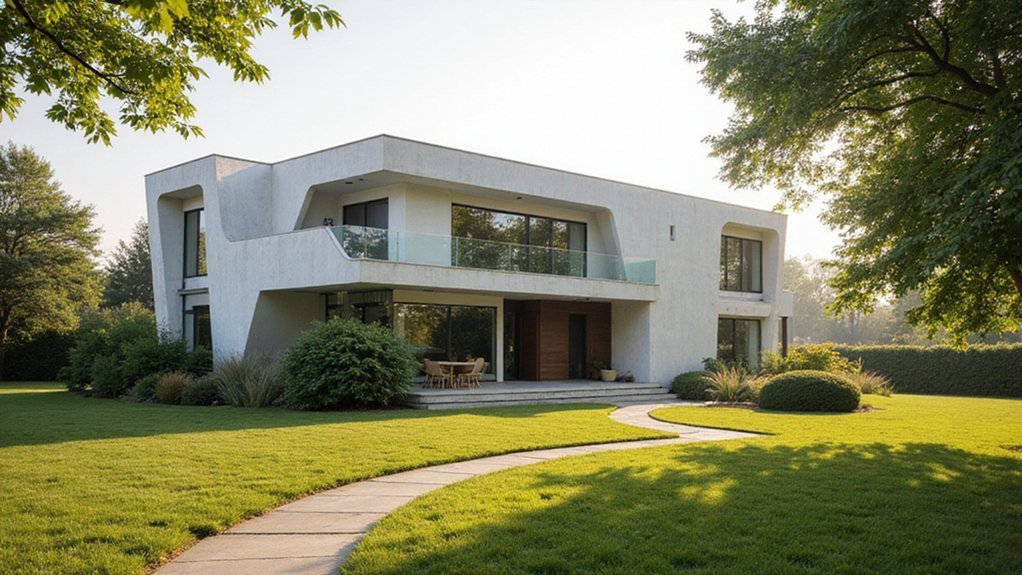
When choosing a house printed with a 3D printer, it’s vital to take into account factors like material compatibility, build size flexibility, and printing speed efficiency, as all these impact your project’s success. You’ll also want to look at how easy the printer is to operate and if it includes safety features to keep everything running smoothly. Think of it like fitting the right tools for the job—because the right choices make the whole process way more manageable and enjoyable!
Material Compatibility
Choosing the right materials for 3D printed houses is vital because not every filament or compound can handle the job. You need to make certain your printer supports materials suited for construction, like concrete or mortar, which are quite different from typical plastics. Check if the extruder can reach the high temperatures required—often much hotter than standard 3D filaments. Reinforced or composite materials, such as fiber-infused filaments, add strength and durability but require compatible equipment. Also, make sure your printer can handle large volumes, since building house sections needs space and power. And don’t forget the curing or drying process after printing—this step is essential for structural integrity and safety. Picking the right materials ensures your project stands tall and lasts!
Build Size Flexibility
The build size of a 3D printer really shapes what kind of house projects you can tackle. If you’re planning a full-sized home or large structural components, opt for a printer with a big build volume—think 50 to 100 cubic feet. Larger sizes let you print walls, furniture, or even entire sections in one piece, saving assembly time. Smaller build volumes might require splitting your project into parts, which adds steps and potential headaches. Flexible options, like adjustable or expandable build sizes, give you room to grow as your ambitions increase—maybe start with a tiny house and go bigger later. For planning, consider:
- Project scale
- Future expansion
- Time savings
Pick a printer that adapts—your dream home might just need the flexibility!
Printing Speed Efficiency
Speed is often the secret sauce when it comes to 3D printing a house, and knowing what to look for can make or break your project timeline. Faster printing speeds mean you get your home built quicker, with some machines reaching speeds up to 600mm/s. That’s a game changer for large-scale projects, reducing both manual support work and automation time. But beware — cranking up the speed too much might hurt the print quality, risking structural integrity. Luckily, many advanced printers now come with auto features like bed leveling and filament detection, which help maintain quality at higher speeds. Multi-material and multi-color printers with rapid extrusion capabilities streamline complex designs, so you get a detailed, beautiful home finished efficiently. Just remember to balance speed with your desired resolution!
Ease of Use
When you’re looking at 3D printers for building a house, ease of use should be at the top of your checklist because it can save you a lot of headaches down the line. An easy-to-use printer typically features automatic bed leveling, making that essential first layer smooth without manual fuss. User-friendly interfaces like intuitive touchscreens or app controls help simplify operation—no need for a PhD in engineering. Clear documentation guides you through setup, and built-in safety features like enclosed build areas and pinch-resistant designs make the process safer. Quick setup with minimal assembly or calibration means you’re up and printing faster, saving time and frustration. Plus, straightforward maintenance routines, like quick-swap nozzles and self-cleaning parts, keep performance steady with less technical know-how.
Safety Features
Focusing on safety features becomes even more important once you start considering the practicalities of printing a house. You want to make sure every aspect of the process is secure. Look for printers with enclosed build areas – they keep heat contained and prevent accidental contact. Pinch-resistant designs and safety covers add extra protection during operation. Built-in sensors are game-changers; they detect filament issues or power loss, reducing risks of printing errors that could lead to hazards. Automatic bed leveling ensures the first layer sticks perfectly, minimizing non-safety-related failures. Low-noise operation makes the process less disruptive, especially in residential or educational settings. And don’t overlook thermal management – temperature limits and cooling systems are essential to prevent overheating and fire risks, keeping your build and environment safe.
Cost and Budget
Choosing the right 3D printer for house building isn’t just about finding the coolest machine; it’s about balancing what you need with what you can afford. The price range varies a lot—under $300 for basic models, over $2,000 for advanced, large-volume printers. Remember to factor in ongoing costs like filament, maintenance, and replacement parts, which can add up quickly. Cheaper printers might limit your build size and material options, restricting what you can build. Investing in a professional-grade printer costs more upfront, but it offers faster speeds, larger volumes, and better reliability—important for creating bigger house components. Setting a realistic budget helps you prioritize features such as resolution, durability, and multi-material support, making sure your project stays on track without breaking the bank.
Maintenance Requirements
Taking care of your 3D printer is just as important as choosing the right model, especially when building something as big and complex as a house. Regular cleaning of the print bed and nozzle keeps things sticking properly and prevents defects — nobody wants a lopsided wall! Lubricating moving parts like rails and lead screws reduces wear and keeps everything running smooth. Firmware updates are essential to fix bugs and boost performance, so schedule those once in a while. Keep an eye on worn parts like belts and extruders; replace them as needed to maintain quality. And don’t forget periodic calibration and leveling — even the tiniest misalignment can cause big problems. Staying on top of these maintenance tasks will keep your house printing project in top shape!
Advanced Customization
When it comes to designing a house with a 3D printer, advanced customization opens up a world of possibilities that traditional building methods just can’t match. You can create intricate details that are difficult with conventional construction, like unique textures or personalized architectural features. With precise control over material placement, colors, and textures, your home can be truly one of a kind. Plus, customizable elements help cut waste because you only use the exact amount of material needed. Digital design tweaks can be made instantly, making updates or specific modifications during construction quick and easy. And with multi-material 3D printers, you can embed different properties—like insulation or flexible zones—within a single print, giving you a tailored, efficient living space that screams your personality!