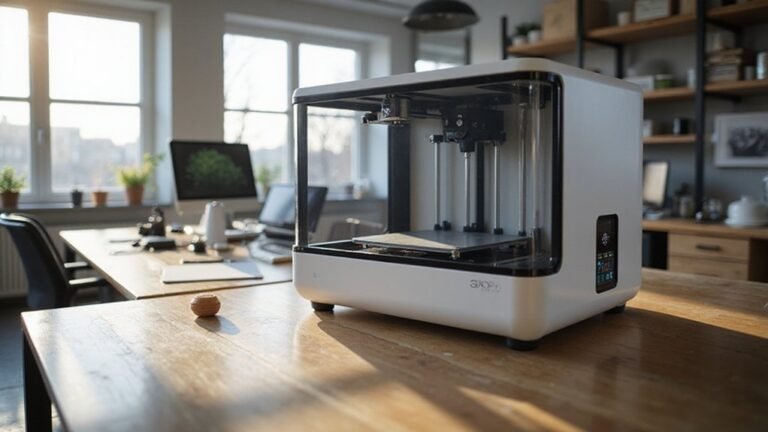
Imagine finally setting up your Ender 3 and finding your prints more consistent, detail-rich, and jam-free—sounds good, right? The right extruder makes all the difference by ensuring steady filament flow, supporting various materials, and lasting through many prints. From upgraded aluminum models to dual gear systems, each option offers unique benefits to boost your printing quality and reliability. Choosing the best extruder isn’t just about performance; it’s about making your entire 3D printing journey smoother and more enjoyable—so, let’s explore what those top contenders are and how they can transform your setup.
| Ender 3 Aluminum Extruder Upgrade for 3D Printer |  | Durable Upgrade | Material: Aluminum alloy (durable metal) | Compatibility: Creality Ender-3 series, CR-10 series | Drive Gear: 40-tooth drive gear | VIEW LATEST PRICE | Read Our Analysis |
| Recycled PET 3D Filament Maker with Digital Control | 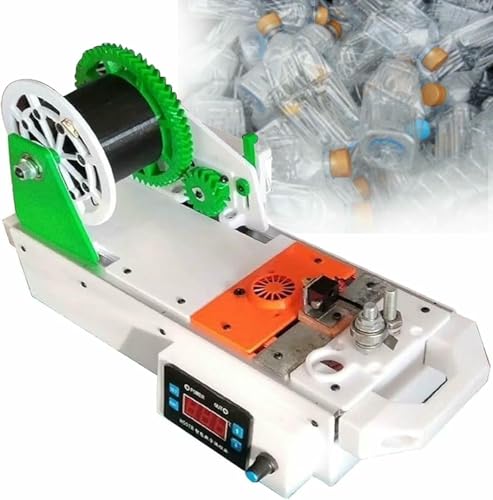 | Eco-Friendly Recycle | Material: Not specified (implied metal components) | Compatibility: Recycled PET, PLA, ABS, PETG | Drive Gear: Not specified | VIEW LATEST PRICE | Read Our Analysis |
| Creality 3D Printer Aluminum Drive Extruder for CR-10 Ender | 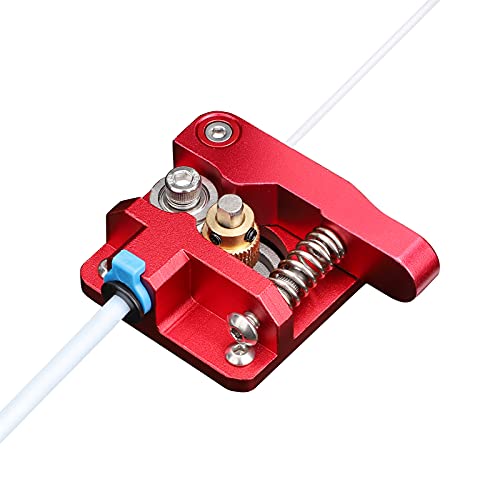 | Reliable Compatibility | Material: Aluminum alloy | Compatibility: Creality CR-10, Ender series | Drive Gear: Metal drive extruder | VIEW LATEST PRICE | Read Our Analysis |
| Redrex Dual Gear Ender 3 Extruder Upgrade Kit | Precision Enhancement | Material: Metal (unspecified alloy) | Compatibility: Ender 3 V2, Pro, Max Neo, CR10 series | Drive Gear: Dual gear extrusion mechanism | VIEW LATEST PRICE | Read Our Analysis | |
| Ender 3 v2/CR-10 Metal Extruder with Drive Gear |  | Easy Installation | Material: Aluminum | Compatibility: Ender 3, Ender 3 Pro, Ender 5, CR-10 series | Drive Gear: 40 teeth drive gear | VIEW LATEST PRICE | Read Our Analysis |
More Details on Our Top Picks
Ender 3 Aluminum Extruder Upgrade for 3D Printer
Looking to give your Ender-3 series printer a solid upgrade? The Ender 3 Aluminum Extruder is a game-changer. Made from durable aluminum alloy with surface oxidization, it keeps up with your printing needs without fuss. It’s compatible with a bunch of Creality models—Ender-3, Pro, 3S, V2, Max, plus CR-10 and CR-10S—and handles 1.75mm filaments like PLA, ABS, and TPU effortlessly. The 40-tooth drive gear improves filament feed, while the adjustable bolt fine-tunes pressure. Easy to assemble, it’s a reliable upgrade packed with quality, backed by great support. Just follow the instructions—your prints will thank you!
- Material:Aluminum alloy (durable metal)
- Compatibility:Creality Ender-3 series, CR-10 series
- Drive Gear:40-tooth drive gear
- Adjustable Tension:Yes (adjustable bolt)
- Ease of Installation:DIY kit, straightforward
- Construction Material:Aluminum alloy with surface oxidization
- Additional Feature:Official Creality product
- Additional Feature:Surface oxidization for durability
- Additional Feature:Beveled filament intake
Recycled PET 3D Filament Maker with Digital Control
If you’re passionate about eco-friendly recycling, the Recycled PET 3D Filament Maker with Digital Control might be just what you need. This mini pultrusion machine takes discarded plastic bottles and transforms them into 3D printer filament, saving you over 90% on filament costs. It’s perfect for DIY projects and educational use, showcasing recycling’s potential. With digital temperature control up to 300°C, an LCD display, and automatic operation, you can easily produce filament from PET, PLA, ABS, or PETG. Compact and reliable, it’s a smart choice for anyone wanting to boost their eco-conscious 3D printing game—plus, it’s fun to see recycled plastics turn into usable filament!
- Material:Not specified (implied metal components)
- Compatibility:Recycled PET, PLA, ABS, PETG
- Drive Gear:Not specified
- Adjustable Tension:Not specified
- Ease of Installation:Automatic operation, simple setup
- Construction Material:Components with high-quality heat sink, brass nozzle
- Additional Feature:Digital temperature control
- Additional Feature:Automatic operation with LCD
- Additional Feature:Eco-friendly filament production
Creality 3D Printer Aluminum Drive Extruder for CR-10 Ender
If you want a reliable upgrade for your Creality CR-10 or Ender series, this aluminum drive extruder is a solid choice. Made from high-quality aluminum alloy, it’s designed to last, resisting oxidation with a handy surface sandblasting finish. The upgraded design removes pneumatic joints, boosting gear density and preventing fractures, while gear pressure can be customized with bolts. It’s straightforward to install—just swap out your old extruder and attach this one with the included accessories. Plus, its compact size and weight of around 2.12 ounces mean it won’t bog down your prints. Overall, it’s a sturdy upgrade to keep your filament feeding smooth and reliable.
- Material:Aluminum alloy
- Compatibility:Creality CR-10, Ender series
- Drive Gear:Metal drive extruder
- Adjustable Tension:Yes (gear pressure adjustment)
- Ease of Installation:Replaces existing extruder easily
- Construction Material:Aluminum alloy
- Additional Feature:Upgraded gear density
- Additional Feature:Hot-end compatibility
- Additional Feature:Easy installation process
Redrex Dual Gear Ender 3 Extruder Upgrade Kit
The Redrex Dual Gear Ender 3 Extruder Upgrade Kit is a smart choice if you want to boost your printer’s precision and filament control. It features a metal drive system with dual gears, gripping filament more firmly and reducing jams. The upgraded idler gear comes with washers, preventing gear wear, while adjustable spring tension helps you fine-tune filament feeding. Compatible with many Ender models and CR10 series printers, just make sure your motor shaft is over 20mm long before buying. Installation is straightforward, with calibration and lubrication recommended first. Once set, you’ll enjoy more consistent prints with less hassle!
- Material:Metal (unspecified alloy)
- Compatibility:Ender 3 V2, Pro, Max Neo, CR10 series
- Drive Gear:Dual gear extrusion mechanism
- Adjustable Tension:Spring tension adjustable
- Ease of Installation:Recommended calibration, easy to install
- Construction Material:Metal (unspecified)
- Additional Feature:Dual gear gripping
- Additional Feature:Spring tension adjustable
- Additional Feature:Compatible with filament sensors
Ender 3 v2/CR-10 Metal Extruder with Drive Gear
For those seeking an easy-to-install upgrade, the Ender 3 v2/CR-10 Metal Extruder with Drive Gear gives your 3D printer a sturdy, all-metal design that instantly improves performance. Made from durable aluminum, it’s a noticeable upgrade over plastic stock extruders, making filament loading smoother and more dependable. Compatible with materials like PLA, ABS, TPU, PTEG, and even Wood, it’s versatile for various projects. The 40 teeth drive gear ensures consistent feeding of 1.75mm filament, resulting in better extrusion quality. Plus, with simple installation instructions included, you’ll enjoy a more reliable printing experience—no fuss, just more precision.
- Material:Aluminum
- Compatibility:Ender 3, Ender 3 Pro, Ender 5, CR-10 series
- Drive Gear:40 teeth drive gear
- Adjustable Tension:Yes (easy to install, implied adjustment)
- Ease of Installation:DIY kit, simple assembly
- Construction Material:Aluminum alloy
- Additional Feature:40 teeth drive gear
- Additional Feature:Compatible with multiple filaments
- Additional Feature:Includes DIY installation kit
Factors to Consider When Choosing an Extruder for 3D Printer Filament
Choosing the right extruder involves a few key points you shouldn’t overlook. Compatibility with your printer, supporting the filament type you want to use, and the strength of the drive gear can make or break your print quality. Plus, you’ll want something easy to install and durable enough to last through many printing adventures!
Compatibility With Printer
Getting the right extruder means paying close attention to compatibility nuances that can make or break your 3D printing experience. First, confirm the extruder fits your specific printer model and series. Mismatched units can cause installation headaches or worse—poor prints. Next, check if it supports your filament’s diameter—commonly 1.75mm or 3mm—to prevent jams and feeding issues. It’s also crucial to match the extruder with your printer’s drive system; whether Bowden or direct drive, compatibility here ensures smooth filament flow. Don’t forget to verify that mounting points align with your printer’s design for a secure, wobble-free fit. Lastly, verify the extruder’s material compatibility so you can confidently print with PLA, ABS, or flexible filaments without surprises.
Filament Material Support
Ever wonder if your extruder can handle the filament material you want to use? It’s a common question because different filaments, like PLA, ABS, TPU, or PETG, need specific support. For example, flexible filaments like TPU need a dedicated drive system to avoid clogging, while high-temperature materials like PTEG require an extruder that can reach and sustain those high heats. Some extruders are designed to work with a broad range of filaments, adding versatility to your projects. Make certain the extruder you pick can operate within the right temperature ranges for your chosen filament. Also, check if it’s compatible with materials that need special handling, as this helps prevent issues and ensures smooth, consistent printing every time.
Drive Gear Strength
A sturdy drive gear is the backbone of reliable filament feeding, and when it comes to choosing an extruder, this aspect shouldn’t be overlooked. Your drive gear needs enough strength to grip the filament firmly and prevent slippage, especially with flexible or dense filaments. Look for gears with about 40 teeth—more teeth mean better grip and consistent extrusion. Metal drive gears are your best bet, as they’re tougher and resist wear better than plastic ones, maintaining their strength over time. Reinforced teeth and solid construction help prevent gear deformation, giving you precise control over filament flow. Remember, a well-built drive gear not only fights filament slippage but also keeps your prints smooth and reliable, making it a vital component in upgrading your printing game!
Ease of Installation
When considering an extruder, how easy it is to install can make a big difference in your overall experience—especially if you like tinkering or need to swap parts quickly. Luckily, many extruders come with detailed instructions and all necessary hardware, streamlining setup. Modular designs or quick-release mechanisms are a game changer, letting you replace or upgrade without a DIY marathon. Compatibility with your printer’s existing components and straightforward mounting parts also reduce hassle. Clear labeling of components and step-by-step visual guides help even beginners get it right—no puzzling through confusing diagrams. And if your printer uses standard filament sizes like 1.75mm, setup becomes even easier, with fewer accessories needed. All of these factors cut down setup time and frustration.
Durability and Build
Have you ever wondered why some extruders seem to hold up over time while others start to struggle after only a few prints? The secret lies in their durability and build quality. High-quality extruders are crafted from materials like aluminum alloys or stainless steel, which withstand continuous use and high temperatures without warping or cracking. Metal extruders generally last longer and resist wear better than plastic ones, meaning fewer replacements. A well-made extruder also features precise machining and corrosion-resistant surfaces that keep parts moving smoothly. Plus, the strength of the drive gear and overall construction determines if it can handle different filament types and higher pressures without slipping or grinding. The tougher and cleaner the build, the more reliable your prints will be, avoiding frustrating failures!
Adjustment Capabilities
Adjustability is one of the most important factors to account for when choosing an extruder because it directly influences how well you can fine-tune the filament feeding process. You want an extruder with adjustable pressure mechanisms that let you control how tightly the filament is gripped, preventing slipping or crushing. Many models include bolts or screws for tension adjustment, making it easy to switch between filament types and sizes without fuss. Precise controls mean you can optimize feeding speed, reducing jams or extrusion hiccups. Some extruders even feature customizable drive gear pressure, so you can tailor performance based on your filament’s material and your print needs. And easy access to these components means quick calibration, which translates into higher quality prints and longer-lasting extruders.
Price and Value
Exploring the world of extruders means weighing the price against the value they bring to your 3D printing setup. Higher-priced models often feature durable materials like metal gears and advanced designs that boost overall performance and print quality. These include smoother filament feeding, less wear and tear, and longer lifespan — meaning fewer replacements down the line. On the flip side, budget-friendly extruders work well for beginners or casual users but may sacrifice some precision and durability. When choosing, compare what’s included: features, warranty, and support services. Remember, investing a little more upfront with a premium extruder can save you money and headaches over time. Ultimately, aim for a good balance between cost and performance to maximize your printing game without breaking the bank.