
If you’re curious about what makes a blank suitable for sublimation, you’re asking the right questions.
Sublimation blanks are specially coated surfaces that allow vibrant, long-lasting images to be transferred through dye-sublimation printing.
By the end of this, you’ll understand how these blanks work and how to choose the best ones for your projects.
What Are Sublimation Blanks and How Do They Work?
Sublimation blanks are specially prepared surfaces designed to accept sublimation ink and produce vibrant, durable images. They typically consist of polyester material or are coated with a polymer layer that makes them compatible with the sublimation process. When you print your design on sublimation paper and apply heat and pressure, the heat causes the sublimation ink to turn into a gas. This gas penetrates the blank’s surface directly, embedding the image into the material. As the gas cools, the dye reverts back to a solid and solidifies, creating a permanent, full-color image. This results in a high-quality transfer that resists peeling, cracking, or fading over time. Sublimation blanks allow you to personalize a variety of items such as mugs, apparel, and plaques, making them perfect for custom products and promotional items. Additionally, understanding the heating process is crucial to ensuring the durability and vividness of your sublimation transfers, as proper temperature control and pressure are essential to achieving optimal results and long-lasting images.
How to Choose the Best Sublimation Blanks for Your Projects
Choosing the right blanks for your sublimation projects starts with understanding which materials work best for your specific item and design goals. Focus on ensuring compatibility with sublimation ink—materials such as polyester-rich fabrics or polymer-coated hard blanks deliver vibrant and durable prints. Check that the blank’s coating is uniform and specifically designed for sublimation to prevent streaks and adhesion problems. Polyester fabrics are the most popular choice because they absorb the ink well and produce bright, vivid colors. Heat press settings are crucial; different materials and coatings require specific temperature, pressure, and time to avoid damage and obtain optimal transfer quality. For fabrics, aim for clothing with at least 65% polyester content, as higher polyester levels typically produce more vibrant results. When working with hard goods, verify that they have a suitable polymer coating optimized for sublimation, which is essential for successful transfers. Understanding the sublimation process can also help you select the best blanks and achieve consistently high-quality results. Using knowledge of the resin-based coatings on some blanks can further improve your transfer success rate by ensuring proper adhesion. Proper knowledge of the sublimation technique can significantly improve your project outcomes. Always review product descriptions to confirm sublimation suitability. It is recommended to test samples before placing bulk orders to evaluate color accuracy, fit, and coating quality, helping you avoid costly mistakes and ensuring your final products meet your expectations.
Materials That Make Sublimation Blanks Suitable for Printing
Materials suitable for sublimation printing include specially coated hard surfaces and polyester fabrics. These materials ensure that the sublimation ink bonds effectively during heat transfer. For textiles, 100% polyester or blends above 65% polyester produce vibrant, durable images. Lower-polyester blends may result in faded or vintage effects due to weaker ink retention. Additionally, the surface should be smooth and even, because dents or imperfections can disrupt ink bonding, causing flaws. Hard goods require a specific polymer coating, such as Pearl Coating™, to accept sublimation ink when heated. The surface should be smooth and even because dents or imperfections can disrupt ink bonding, causing flaws. Light-colored or white blanks are ideal because sublimation ink is transparent, and dark backgrounds can compromise color accuracy. Proper heat resistance and surface smoothness are crucial for achieving professional results with sublimation blanks. Ensuring that the blanks have a consistent surface contributes to maximizing image fidelity during the heat transfer process. Selecting blanks with a stable composition further helps maintain shape and prevent warping under high heat conditions, ensuring consistent and high-quality results.
Popular Sublimation Blank Products and Their Uses
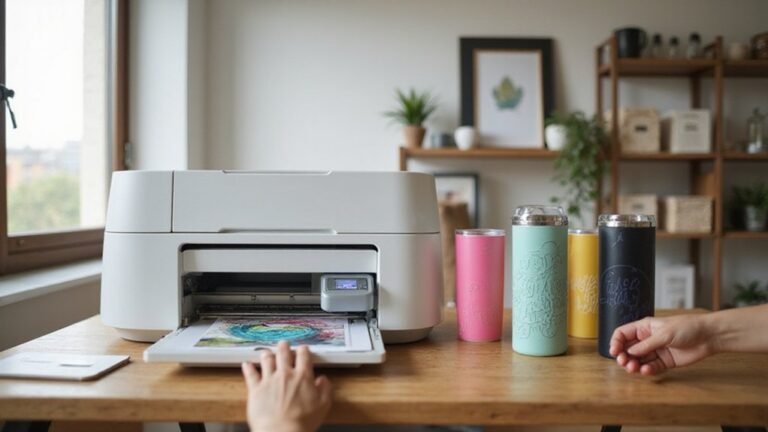
A wide variety of products lend themselves well to sublimation, allowing you to create personalized items for any occasion or market. Wearable items like polyester T-shirts, hats, and sweatshirts are particularly popular for uniforms, sports teams, and casual fashion. Home décor and kitchenware such as ceramic mugs, glassware, and aluminum plaques are ideal for gifts, awards, and decorative purposes. Accessories including phone cases, mouse pads, and travel tumblers are suitable for everyday use and branding efforts. When choosing sublimation blanks, it is important to prioritize printing ethics and opt for eco-friendly materials to ensure your products are sustainable and responsibly sourced. This approach not only aligns with environmentally conscious values but also enhances your brand’s reputation and appeal. Additionally, blank sublimation items that are designed with quality materials can significantly improve the clarity and durability of your printed designs. Paying attention to the sublimation process ensures your final product maintains vibrant colors and long-lasting prints. Considering material quality is essential for achieving consistent and professional results in sublimation printing.
How to Prepare and Apply Sublimation Transfers for Best Results
To achieve the best results when applying sublimation transfers, you must carefully prepare both your artwork and substrate. Start by mirroring your design before printing, as sublimation reverses the image during pressing. Ensure the design is sized precisely to match the substrate dimensions to guarantee proper transfer and reduce trimming afterward. Use a sublimation-specific printer with high-resolution, at least 300 DPI, and sublimation ink for sharp, vibrant images. Allow the print to dry completely before handling to prevent bleeding or smudging.
Before pressing, thoroughly clean hard blanks with alcohol or an lint-free cloth to remove any dust or oils. Pre-press fabric items to eliminate moisture, which can interfere with the transfer quality. When placing your transfer, trim excess paper to leave a small border around the design for easier handling. Position the transfer face down on the substrate, ensuring it is centered accurately. Secure the transfer edges with heat-resistant tape to prevent shifting during pressing, which could cause misalignment or uneven details.
Troubleshooting Common Sublimation Transfer Problems
Even when your transfer setup is correct, issues can still affect the final image quality. Application mistakes like uneven pressure or improper placement are common causes of light spots, blurry areas, or incomplete colors. To prevent these problems, ensure you apply even pressure across the entire transfer and securely position it before pressing. Transfer timing is also critical; opening the heat press too quickly or unevenly can lead to shifting, ghosting, or blurred edges. Use heat-resistant tape to keep the transfer in place and open the press slowly to avoid sliding. Moisture inside blanks or on the transfer paper can cause uneven color transfer or blurriness. Store and pre-press blanks to reduce humidity before starting. Regular maintenance—such as cleaning the printer head, checking ink quality, and verifying settings—also plays a vital role in avoiding common transfer issues. Proper upkeep guarantees vibrant, consistent results for every project. Additionally, ensuring your heat transfer vinyl is compatible with your project and tools can significantly improve the final outcome.
Why Sublimation Blanks Are a Game-Changer for Custom Products
Sublimation blanks are specially engineered surfaces designed specifically for dye-sublimation printing, making them essential tools for creating personalized products. They provide a ready-made, optimized surface that allows your designs to transfer with vivid, high-quality color. Because the ink bonds at a molecular level during heat transfer, sublimation blanks offer superior durability, resisting peeling, cracking, and fading—even after repeated washing or handling. This bonding process ensures your designs remain vibrant and long-lasting. This permanence ensures your custom products maintain their professional appearance over time. Whether you are working with drinkware, apparel, or home décor, these blanks deliver consistent results and a polished finish. Their engineered surfaces support a wide range of product types, simplifying your workflow and broadening your creative options. As a result, you can produce eye-catching, durable finished products that leave a lasting impression on your customers.