Ever wondered how to turn those tiny, detailed models into reality without pulling your hair out? Starting with the right resin 3D printer can make all the difference between frustration and success. The top options for beginners focus on user-friendliness, high resolution, and safety, making complex projects less intimidating. Think ultra-sharp screens, fast exposure, reliable automatic features, and compact sizes—all within reach. Ready to explore the best choices that could transform your first few prints from trial and error into genuine satisfaction?
| ANYCUBIC 10K Resin 3D Printer with Mono Screen |  | Precision Powerhouse | Screen Technology: 10K monochrome LCD | Build Volume: 6.04″ x 3.42″ x 6.49″ (153.4mm x 87mm x 165mm) | Additional Features: Rapid exposure time (1.5s), re-engineered platform, resume print | VIEW LATEST PRICE | Read Our Analysis |
| ELEGOO Mars 5 Resin 3D Printer with 4K LCD | 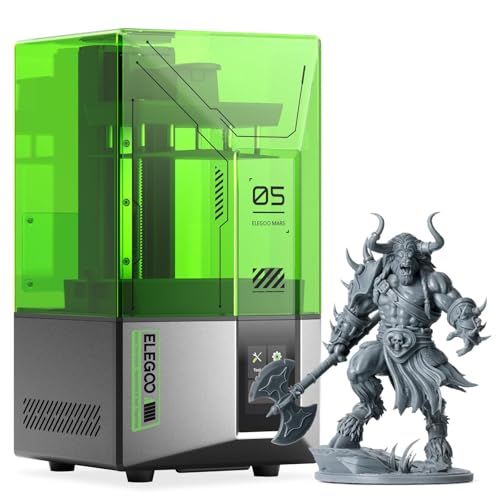 | User-Friendly Advanced | Screen Technology: 4K mono LCD | Build Volume: Not specified in exact dimensions | Additional Features: Automatic leveling, self-check, overheat protection | VIEW LATEST PRICE | Read Our Analysis |
| Phrozen Sonic Mini 8K S LCD Resin 3D Printer |  | Miniature Masterpiece | Screen Technology: 8K monochrome LCD | Build Volume: 6.5″ x 2.8″ x 6.7″ | Additional Features: High precision calibration, open-source software support | VIEW LATEST PRICE | Read Our Analysis |
More Details on Our Top Picks
ANYCUBIC 10K Resin 3D Printer with Mono Screen
The ANYCUBIC Photon Mono 4 is a precision powerhouse, perfect if you’re just starting out in resin 3D printing. With its 7-inch 10K monochrome LCD, you get super sharp details, with a resolution of 9024×5120 pixels—imagine the tiny details you can capture! The upgraded LightTurbo matrix light source keeps illumination steady and uniform, which means smoother surfaces and better detail. Its build platform has laser-engraved patterns to guarantee models stick well, reducing lifting and warping. Plus, with a large build volume and exposure times as short as 1.5 seconds, you’ll find it both efficient and reliable for creating impressive, intricate prints easily.
- Screen Technology:10K monochrome LCD
- Build Volume:6.04″ x 3.42″ x 6.49″ (153.4mm x 87mm x 165mm)
- Additional Features:Rapid exposure time (1.5s), re-engineered platform, resume print
- Focus on Detail Resolution:17×17µm XY pixel size
- User Assistance Features:Pre-assembled, calibrated, tested
- Printer Size/Portability:20 x 10 x 15 inches, approximately 11 pounds
- Additional Feature:Upgraded LighTurbo matrix light
- Additional Feature:Re-engineered build platform
- Additional Feature:Compatible with beginner and professional users
ELEGOO Mars 5 Resin 3D Printer with 4K LCD
Looking for a user-friendly advanced resin 3D printer that makes high-quality prints easy for beginners? The ELEGOO Mars 5 with a 4K LCD offers just that. Its one-click automatic leveling takes the hassle out of setup, and its smart sensor detects residue to protect the screen. Plus, it alerts you if resin runs low or leveling fails. The 4K mono LCD and COB light source produce detailed, crisp models. Safety features include overheat protection and an efficient cooling system. Compact at around 15.75 by 18.5 inches and weighing just over 14 pounds, it’s perfect for desktop use—bringing industrial-grade quality to your workspace with simplicity.
- Screen Technology:4K mono LCD
- Build Volume:Not specified in exact dimensions
- Additional Features:Automatic leveling, self-check, overheat protection
- Focus on Detail Resolution:High-resolution with detailed texture
- User Assistance Features:One-click leveling, sensor alarms
- Printer Size/Portability:15.75 x 18.5 x 9.06 inches, 14.5 pounds
- Additional Feature:Automatic leveling system
- Additional Feature:Resin shortage alerts
- Additional Feature:Self-check functionality
Phrozen Sonic Mini 8K S LCD Resin 3D Printer
If you’re new to resin 3D printing, the Phrozen Sonic Mini 8K S is a miniature masterpiece that packs professional detail into a compact frame. Its small size (about 11.4 inches on each side and 16.9 inches tall) makes it perfect for your workspace, and the 6.5 x 2.8 x 6.7-inch build volume suits miniatures, models, or figures. With a 7.1-inch monochrome LCD and an 8K resolution, your prints will capture incredible, intricate details. Plus, its user-friendly design includes strong Z-axis calibration and compatibility with popular slicers, making your learning curve smoother—and the results impressively precise.
- Screen Technology:8K monochrome LCD
- Build Volume:6.5″ x 2.8″ x 6.7″
- Additional Features:High precision calibration, open-source software support
- Focus on Detail Resolution:22-micron XY resolution, 8K detail
- User Assistance Features:User-friendly calibration, open software compatibility
- Printer Size/Portability:11.4 x 11.4 x 16.9 inches, 22 pounds
- Additional Feature:8K high resolution LCD
- Additional Feature:Sophisticated Z-axis calibration
- Additional Feature:Open-source software support
Factors to Consider When Choosing a Resin 3D Printer for Beginners
When selecting a resin 3D printer as a beginner, it’s important to think about several key factors that can make or break your experience. Things like how easy it is to set up, the resolution of your prints, the size of the build area, and whether the software is user-friendly all play a role. And don’t forget safety features—because keeping yourself protected while printing is just as vital as having a good device!
Ease of Setup
Ever wonder how much setup hassle you’ll face with a resin 3D printer? If you’re new, aim for a model that comes pre-assembled and calibrated—that saves tons of time and frustration. Look for printers with automatic leveling or self-check functions; they take the guesswork out of bed adjustments. Clear, user-friendly instructions are your best friend during setup, making it easier to get started without hunting for hidden screws or confusing diagrams. Ideally, choose a printer with a quick, straightforward bed leveling process, preferably automated or assisted. Minimize manual parts that need fiddling to keep things simple. A hassle-free setup means you can jump straight into printing rather than wrestling with your gear—perfect for beginners enthusiastic to see their projects come to life!
Print Resolution Quality
Getting the right print resolution can make a huge difference in how your finished models turn out, especially as a beginner. Higher resolution means finer details and smoother surfaces, which can make your projects look professional. Monochrome LCD screens, like 4K or 8K, deliver sharper and more precise prints because they emit light more evenly. The XY resolution, measured in microns, directly affects detail—smaller numbers, like 25 microns, produce more intricate models. Improving Z-axis calibration helps layers stay accurate, boosting overall quality. And don’t forget consistent light exposure and uniformity—these prevent surface imperfections and guarantee your prints come out flawless. When choosing, prioritize printers with good resolution specs; it’s the key to impressive beginner projects!
Build Volume Size
Choosing the right build volume size is a balancing act that can profoundly impact your 3D printing experience, especially as a beginner. If you go too big, your prints might take longer and need a sturdier, more stable printer—think of it as upgrading to a larger, more complex car. But a moderate size keeps things manageable, making setup and handling less overwhelming. Small build volumes can speed up printing times and make learning the basics easier, perfect for those just starting out. Consider what you typically print—if most projects are small, a compact build space of around 4-6 inches works well. For bigger models or batches, look for something with at least 7-8 inches. The key is finding a balance between project needs and ease of use.
Software Compatibility
Have you ever wondered if your resin 3D printer will play nicely with the software you want to use? It’s a good question, because compatibility can make or break your printing experience. To keep things smooth, look for a printer that supports popular slicer software like Lychee, Chitubox, or Cura—they’re versatile and user-friendly. This way, you get flexible file preparation and easy customization. Make sure the printer’s firmware allows updates or tweaks—that will keep you current with the latest software features. Also, check if it easily imports common file formats such as STL, OBJ, or 3MF, so your models aren’t limited. And if the bundled or compatible software offers automated support and calibration tools, your beginner projects will turn out more consistent and stress-free.
Safety Features Included
When you’re just starting out with resin 3D printing, safety should be a top priority—after all, working with resin and UV light can pose some risks if you’re not careful. Look for printers with features like overheat protection and automatic shutdown—these prevent damage and accidents if things get too hot or go wrong. Automated leveling systems reduce human error and keep everything running smoothly and safely. Resin sensors and alarms are your alert system, warning you of low resin levels or malfunctions before they become hazards. Enclosed designs or protective covers are great because they contain fumes and UV light, protecting your eyes and lungs. And don’t forget emergency stop buttons and clear safety instructions — they’re your first line of defense in tricky situations!
Maintenance Requirements
Keeping up with maintenance is one of those behind-the-scenes tasks that can make or break your beginner resin 3D printing journey. Regularly clean the resin vat and build platform to prevent resin buildup, which guarantees smooth adhesion for quality prints. Expect routine replacement of consumables like FEP films and filters—these tiny parts wear out faster than you might think. Proper calibration and leveling of your build platform are essential for accuracy and avoiding failed prints. Keep an eye on your cooling system—overheating can shorten your printer’s lifespan. And don’t forget to keep your workspace dust-free and check for resin spills. These small habits save you headaches and establish your printer runs smoothly, print after print!
Cost and Budget
Choosing a resin 3D printer for beginners isn’t just about finding something that can produce pretty models; it’s also about sticking within your budget while getting the most value. Entry-level models usually cost between $200 and $500, making them accessible without breaking the bank. But don’t forget ongoing expenses like resin, replacement parts, and potential repairs — these can add up quickly. Budget for essential accessories such as curing stations, gloves, and safety equipment, which are crucial for safe and effective printing. Look for a printer that offers a good balance of features like resolution, build volume, and ease of use for beginners. Checking warranty and customer support options also saves you unexpected money down the line when technical issues pop up.